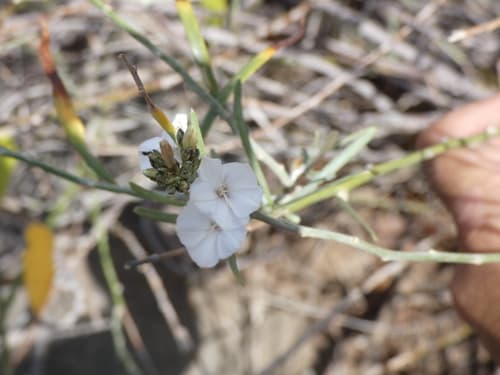
Nasa olmosiana
NameNasa olmosiana
Scientific NameNasa olmosiana Weigend & E.Rodr.
Common NamesOrtiga de la sierra, Pega pega
Plant FamilyLoasaceae
Natural HabitatEndemic to specific montane regions of northern Peru, typically found in humid, rocky slopes or disturbed areas within cloud forests and inter-Andean valleys.
Parts Usedwhole_plant,leaf
Medicinal Actionsanalgesic, anti-inflammatory
Traditional UsesWhile specific ethnobotanical documentation for *Nasa olmosiana* is limited, other *Nasa* species are traditionally used as counter-irritants. The stinging hairs are applied topically to alleviate rheumatic pain, muscle aches, and localized inflammation, stimulating blood flow and distracting from deeper pain.
Active ConstituentsIrritating compounds (e.g., histamines, acetylcholine-like substances) within the stinging hairs, flavonoids, tannins
Preparation Methodspoultice
Contraindications & WarningsSevere skin irritation, allergic reactions, and blistering may occur due to the stinging hairs. Not recommended for internal use due to lack of safety data and potential for irritation. Avoid contact with eyes and mucous membranes.
Cultivation NotesRequires a humid, subtropical to tropical montane climate with well-drained, fertile soil. Prefers partial shade. Propagation is likely from seed or cuttings, but specific horticultural information is scarce.
Rarityuncommon
Description
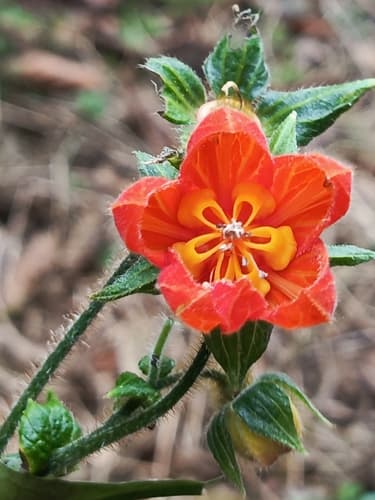
Nasa olmosiana is an herbaceous plant characterized by its striking orange-red, star-shaped flowers with a prominent yellow inner corona. Its stems and leaves are typically covered in stinging hairs (glochids), a common feature of the genus Nasa.