Pipsissewa
Image: Krzysztof Ziarnek, Kenraiz (CC BY-SA 4.0)
NamePipsissewa
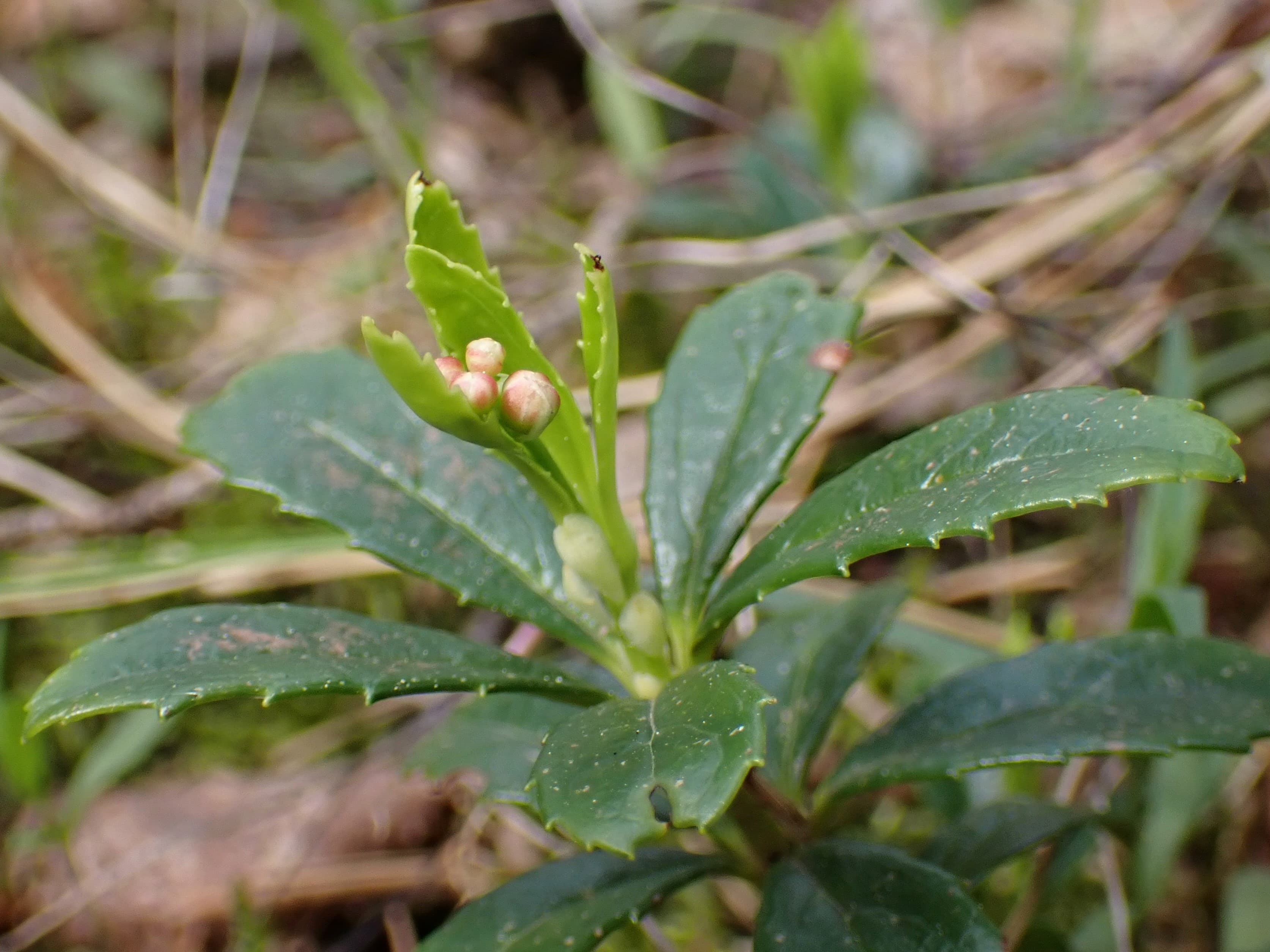
Scientific NameChimaphila umbellata
Common NamesPipsissewa, Prince's Pine, Spotted Wintergreen, Umbrella Wintergreen
Plant FamilyEricaceae
Natural HabitatTypically found in dry to moist coniferous or mixed forests, often in sandy, acidic soils. It is native to temperate regions of the Northern Hemisphere, including North America, Europe, and Asia, and thrives in the understory of pine forests.
Parts Usedleaf,whole_plant
Medicinal Actionsdiuretic, astringent, antimicrobial, anti-inflammatory
Traditional UsesTraditionally, Pipsissewa has been used as a diuretic and urinary antiseptic, particularly for treating urinary tract infections, kidney stones, and prostate issues. It was also employed for rheumatic conditions, skin ailments, and as a general tonic by various indigenous cultures and early settlers.
Active ConstituentsArbutin, methyl salicylate, tannins, flavonoids
Preparation Methodsinfusion, decoction, tincture, powder
Contraindications & WarningsNot recommended for prolonged use or in cases of acute kidney inflammation. High doses may cause gastrointestinal upset. Pregnant or breastfeeding women should avoid its use.
Cultivation NotesPipsissewa prefers partial to full shade and well-drained, acidic soil rich in organic matter. It is challenging to cultivate from seed and often spreads by rhizomes, requiring specific mycorrhizal fungi for optimal growth. It is best propagated by division or transplanting established plants.
Rarityuncommon
Description
Pipsissewa is a low-growing, evergreen perennial herb featuring leathery, dark green leaves arranged in whorls along its stem. It produces small clusters of nodding, bell-shaped flowers, typically pinkish-white, that bloom in summer. The plant often forms small colonies in its preferred habitat.