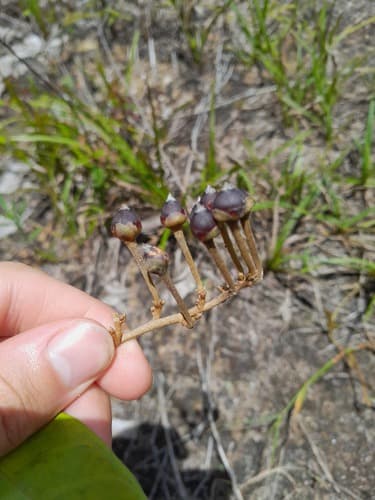
Solanum amygdalifolium
NameSolanum amygdalifolium
Scientific NameSolanum amygdalifolium
Common NamesPalo de Leche, Jazmín del Paraguay, Jazmín del Río
Plant FamilySolanaceae
Natural HabitatNative to South America, it thrives in riparian zones, along riverbanks, streams, and wetlands, often found in moist, sunny to partially shaded areas.
Parts Usedleaf,stem
Medicinal Actionsanalgesic, anti-inflammatory, antimicrobial, diuretic
Traditional UsesTraditionally, the plant has been used in folk medicine for its anti-inflammatory and analgesic properties, particularly for rheumatic pain and other inflammatory conditions. It is also employed as a diuretic and for treating fevers and certain skin ailments.
Active Constituentssteroidal glycoalkaloids, solasodine, flavonoids, saponins
Preparation Methodsinfusion, decoction, poultice
Contraindications & WarningsAs a member of the Solanaceae family, Solanum amygdalifolium contains steroidal glycoalkaloids which can be toxic if consumed in large quantities. Internal use should be approached with extreme caution and under professional guidance. It is contraindicated for pregnant or nursing women, children, and individuals with liver or kidney conditions.
Cultivation NotesThis plant prefers moist, well-drained soils and can tolerate full sun to partial shade. It is often found near water sources and can be propagated from seeds or cuttings.
Raritycommon
Description
Solanum amygdalifolium is a woody shrub or climbing vine, characterized by its lanceolate leaves and striking pale blue to purple, star-shaped flowers with prominent yellow anthers. It produces small berries that ripen from green to yellow or orange.