Lycium bridgesii
NameLycium bridgesii
Scientific NameLycium bridgesii
Common NamesBridges' Boxthorn, Desert Thorn
Plant FamilySolanaceae
Natural HabitatNative to arid and semi-arid regions of South America, particularly Chile and Argentina, often found in dry scrublands, deserts, and rocky slopes.
Parts Usedfruit,leaf
Medicinal Actionsantioxidant, anti-inflammatory
Traditional UsesWhile specific traditional uses for Lycium bridgesii are less documented than for its close relatives like Goji (Lycium barbarum), Lycium species in general have been traditionally used for their nutritious berries. These berries are believed to support general vitality, vision, and immune function, and may have been consumed as a food source by indigenous communities.
Active ConstituentsPolysaccharides, Carotenoids, Flavonoids, Betaine
Preparation Methodsinfusion, decoction, powder
Contraindications & WarningsMay interact with anticoagulant medications (blood thinners) due to potential vitamin K content or other compounds. Individuals with allergies to other Solanaceae plants should exercise caution.
Cultivation NotesPrefers full sun and well-drained, sandy or rocky soils. It is highly drought-tolerant once established and thrives in arid to semi-arid climates. Requires minimal water and can tolerate poor soil conditions.
Rarityuncommon
Description
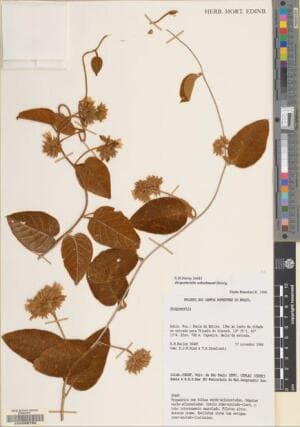
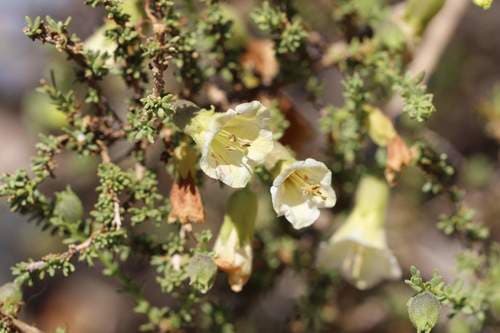
Lycium bridgesii is a thorny, deciduous shrub characterized by small, often clustered leaves and pale yellow to whitish, bell-shaped flowers. It typically grows in arid environments, forming a dense, woody structure with a sprawling habit.