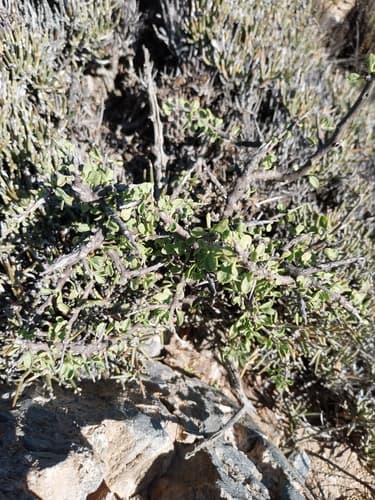
Chili peppers
NameChili peppers
Scientific NameCapsicum campylopodium
Common NamesWild Chili Pepper, Pimenta-do-mato
Plant FamilySolanaceae
Natural HabitatNative to South America, particularly Brazil, where it grows in humid, shaded forest understories and along forest edges.
Parts Usedfruit,leaf
Medicinal Actionsanalgesic, anti-inflammatory, antioxidant
Traditional UsesTraditionally used for its stimulating properties, to relieve pain topically, and as a digestive aid. It has also been used in some cultures to treat colds and improve circulation.
Active ConstituentsCapsaicinoids, Carotenoids, Vitamin C, Vitamin A
Preparation Methodspowder, poultice, salve, infusion
Contraindications & WarningsMay cause skin irritation or burning sensation; avoid contact with eyes and mucous membranes. Ingesting large amounts can cause digestive upset. May interact with blood-thinning medications.
Cultivation NotesPrefers warm climates, well-drained soil, and can tolerate partial shade, especially in hotter regions. Requires consistent moisture and can be grown from seed.
Rarityuncommon
Description
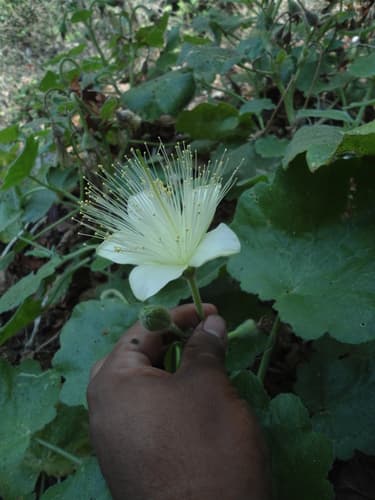
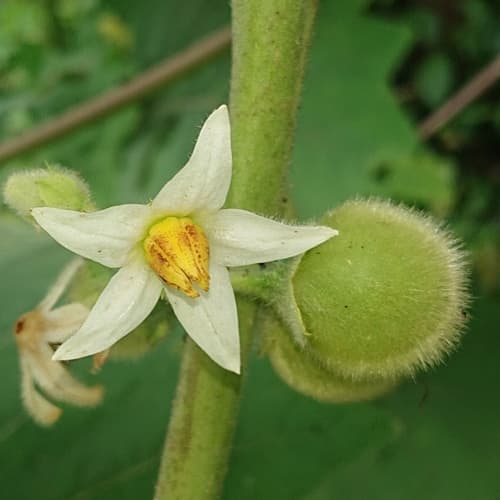
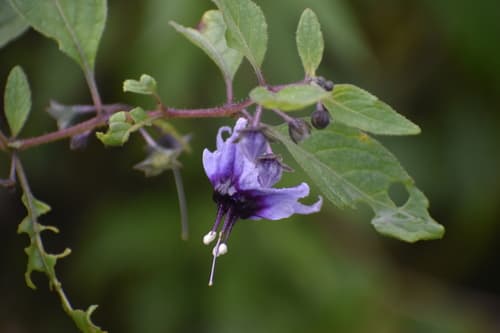
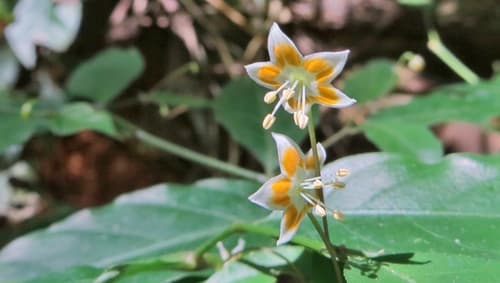
Capsicum campylopodium is a wild chili pepper species characterized by its small, star-shaped flowers, typically white with a yellow or orange central star pattern, and prominent stamens. It produces small, round, red fruits that are pungent.