Hairy-fruited Eggplant
NameHairy-fruited Eggplant
Scientific NameSolanum lasiocarpum
Common NamesHairy-fruited Eggplant, Wild Eggplant, Indian Nightshade, Terung Pipit
Plant FamilySolanaceae
Natural HabitatNative to tropical and subtropical regions of Asia, it thrives in disturbed areas, open fields, roadsides, and forest margins.
Parts Usedfruit,leaf,root
Medicinal Actionsanti-inflammatory, antioxidant, antimicrobial, analgesic, diuretic
Traditional UsesTraditionally, the fruits are consumed as a vegetable, often cooked. Various parts of the plant are used in folk medicine for treating coughs, colds, fever, skin infections, and inflammatory conditions. The juice of the fruit or leaves is sometimes applied topically for skin ailments, and root decoctions are used for internal complaints.
Active ConstituentsSteroidal glycoalkaloids, Solasodine, Solamargine, Flavonoids, Phenolic compounds
Preparation Methodsinfusion, decoction, poultice, powder
Contraindications & WarningsUnripe fruits contain glycoalkaloids which can be toxic in large quantities; consumption of raw, unripe fruits is not recommended. Pregnant and breastfeeding women should exercise caution. Individuals with known allergies to other Solanaceae plants may experience adverse reactions.
Cultivation NotesThis plant prefers full sun to partial shade and well-drained, fertile soil. It is typically propagated by seeds and is quite hardy, tolerating various soil types.
Raritycommon
Description
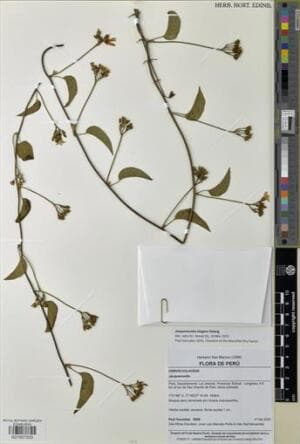
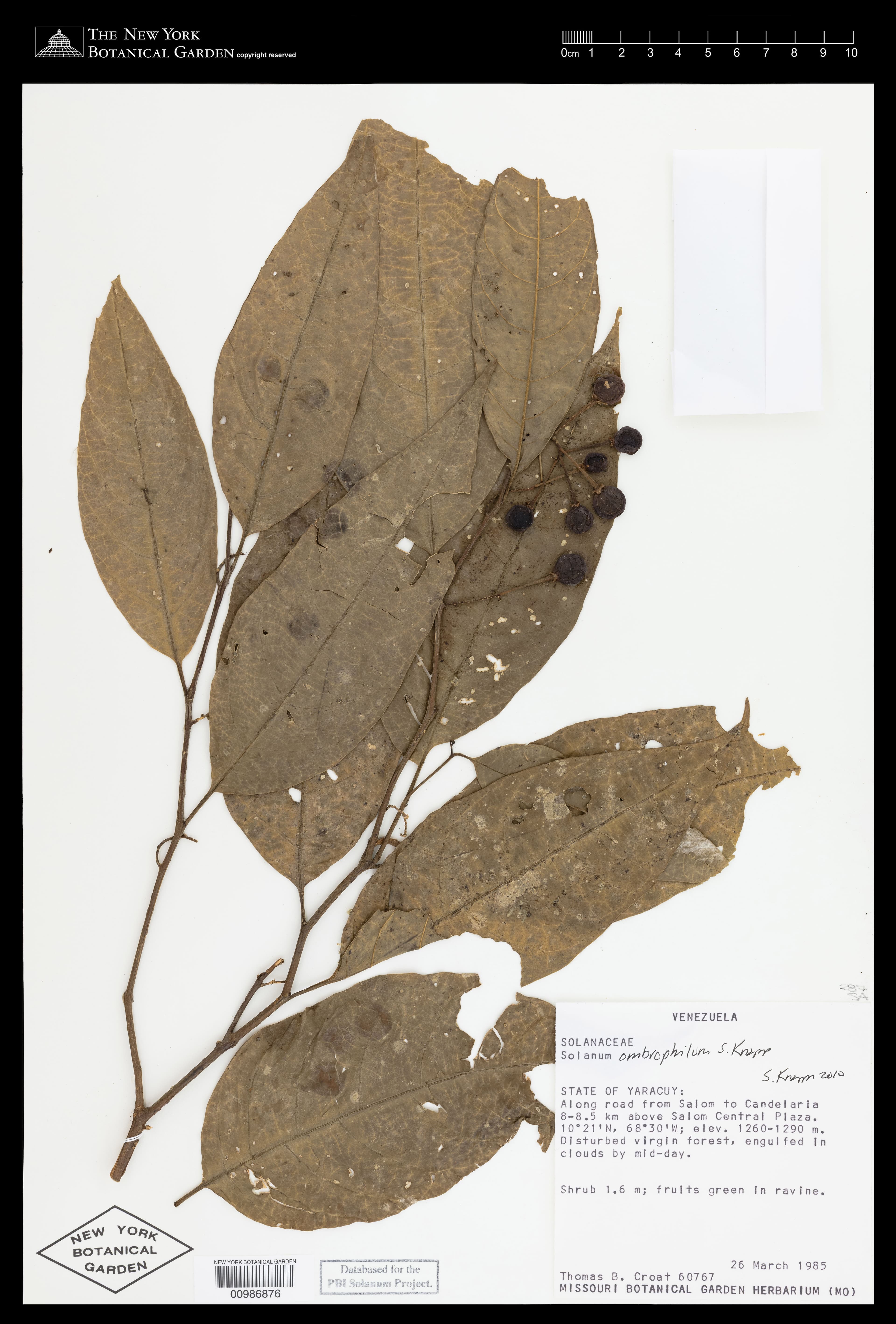
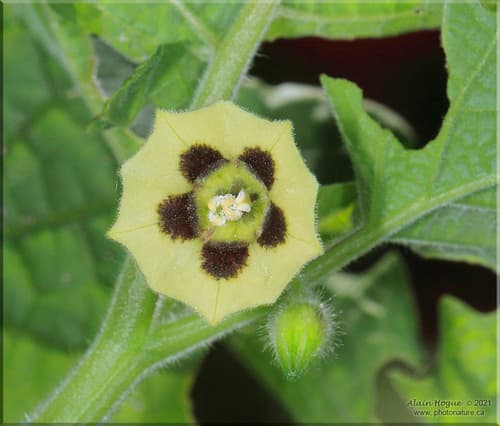
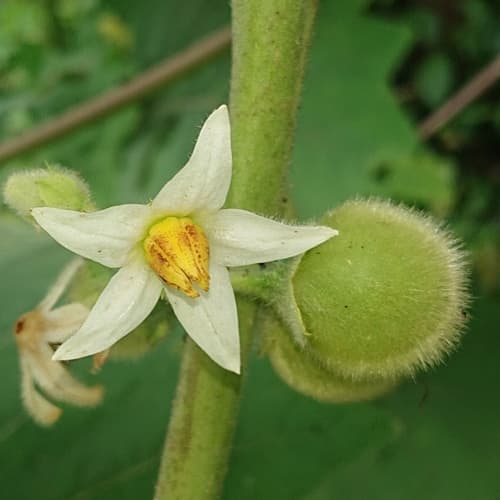
Solanum lasiocarpum is a herbaceous shrub characterized by its dense covering of stellate hairs. It produces white, star-shaped flowers with prominent yellow anthers, followed by distinctive globose, densely hairy, green fruits that ripen to yellowish-orange.