Chili peppers
NameChili peppers
Scientific NameCapsicum campylopodium
Common NamesChili Pepper, Wild Chili Pepper, Chilli
Plant FamilySolanaceae
Natural HabitatNative to South America, particularly Brazil, often found in humid, subtropical forests, forest edges, or disturbed areas.
Parts Usedfruit,leaf
Medicinal Actionsanalgesic, anti-inflammatory, antioxidant
Traditional UsesTraditionally used as a culinary spice, digestive stimulant, and for topical pain relief due to its warming properties. It has also been used to improve circulation and as a rubefacient.
Active ConstituentsCapsaicinoids, Carotenoids, Vitamin C, Vitamin A
Preparation Methodspowder, tincture, poultice, salve
Contraindications & WarningsCan cause irritation to mucous membranes, skin, and eyes. Avoid contact with open wounds. High doses may cause digestive upset. May interact with blood-thinning medications.
Cultivation NotesPrefers warm, humid climates with well-drained soil and full sun. Can be grown from seed and requires consistent moisture. Protect from frost.
Rarityuncommon
Description
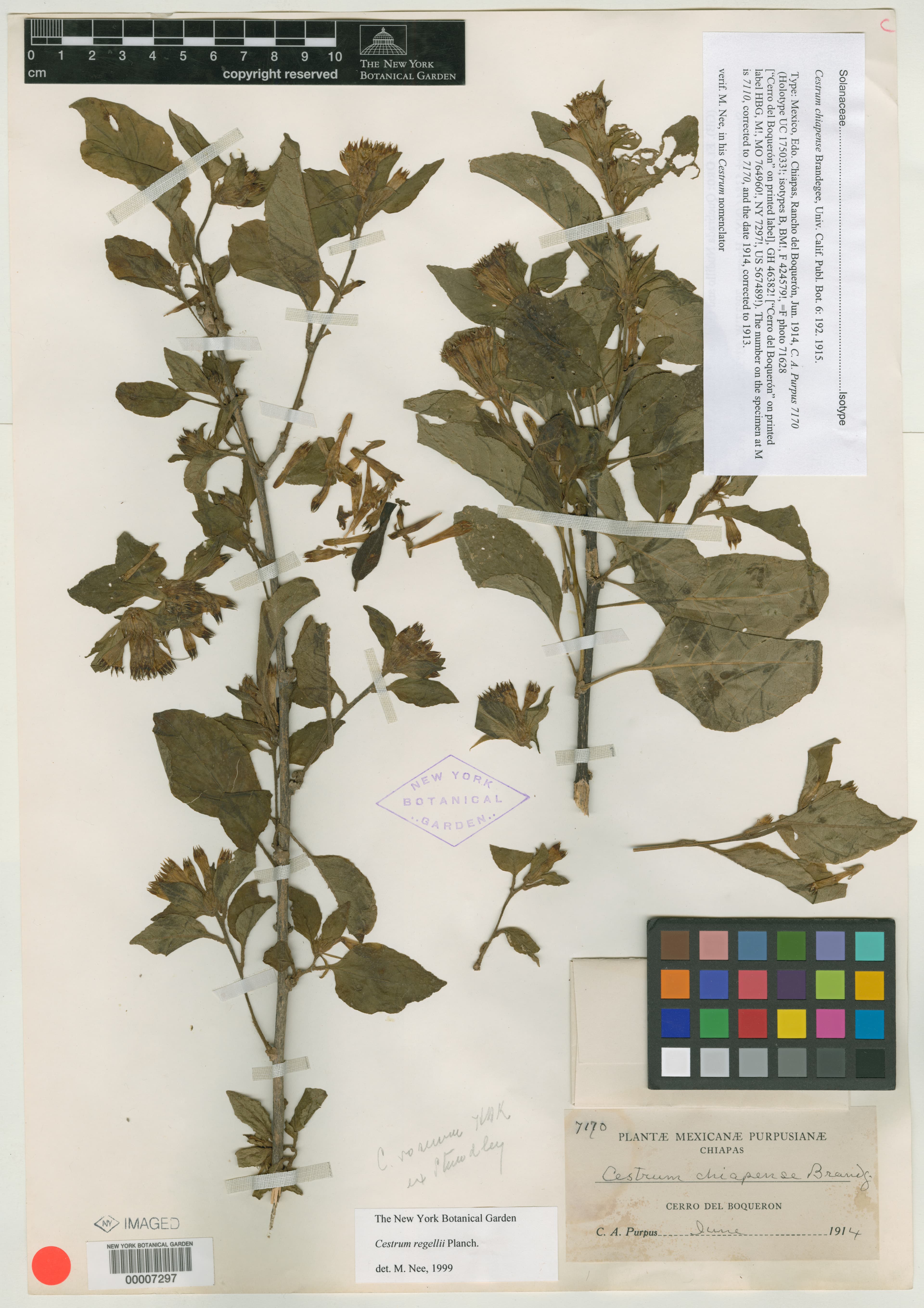
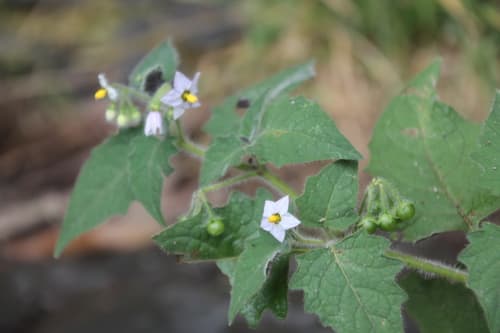
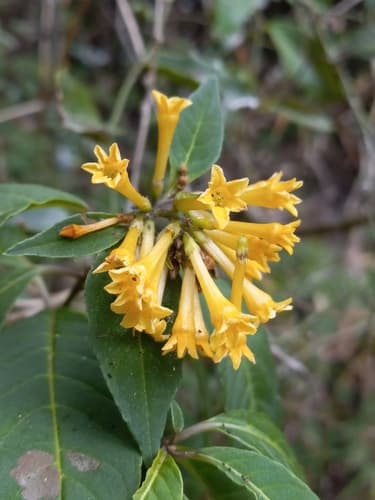
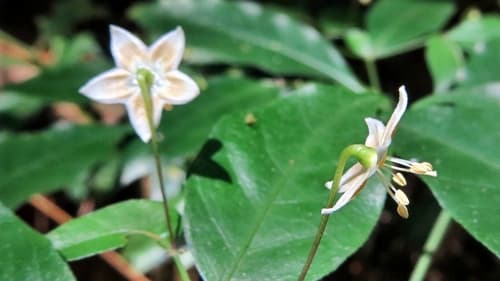
Chili peppers are herbaceous plants or small shrubs known for their pungent fruits. The plant features simple, ovate leaves and small, star-shaped flowers, typically white or cream, which develop into the characteristic berry-like peppers.