Chilean wild potato
NameChilean wild potato
Scientific NameSolanum tuberosum ssp. chilotanum
Common NamesChilean wild potato, Chilotan potato
Plant FamilySolanaceae
Natural HabitatNative to the Chiloé Archipelago and adjacent areas of southern Chile, thriving in temperate climates, often found in disturbed soils, forest edges, and coastal regions.
Parts Usedleaf
Medicinal Actionsanti-inflammatory
Traditional UsesWhile primarily valued for its genetic contribution to cultivated potatoes, some traditional uses of *Solanum* species (including wild relatives) have involved topical application of leaves for minor skin inflammations or burns. However, this carries significant risk due to high glycoalkaloid content.
Active ConstituentsGlycoalkaloids, Solanine, Chaconine
Preparation Methodspoultice
Contraindications & WarningsDue to high levels of toxic glycoalkaloids (solanine, chaconine), especially in leaves, stems, flowers, and unripe fruits, internal consumption is highly dangerous and can cause severe gastrointestinal distress, neurological symptoms, and even death. Topical use should also be approached with extreme caution due to potential skin irritation and absorption. Pregnant or breastfeeding women, children, and individuals with liver or kidney conditions should strictly avoid use.
Cultivation NotesRequires well-drained, fertile soil and full sun to partial shade. Propagated by tubers or seeds. Tolerant of cooler climates and some frost. Primarily cultivated for genetic research and breeding programs rather than direct consumption or medicinal use due to toxicity.
Rarityuncommon
Description
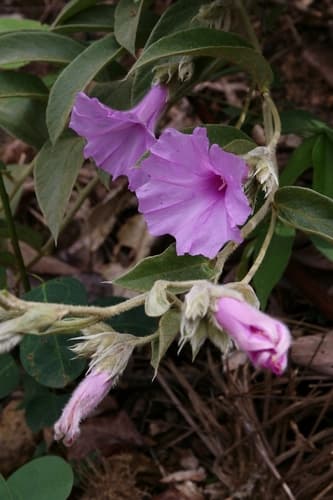
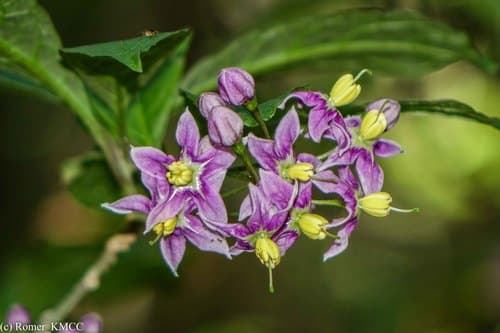
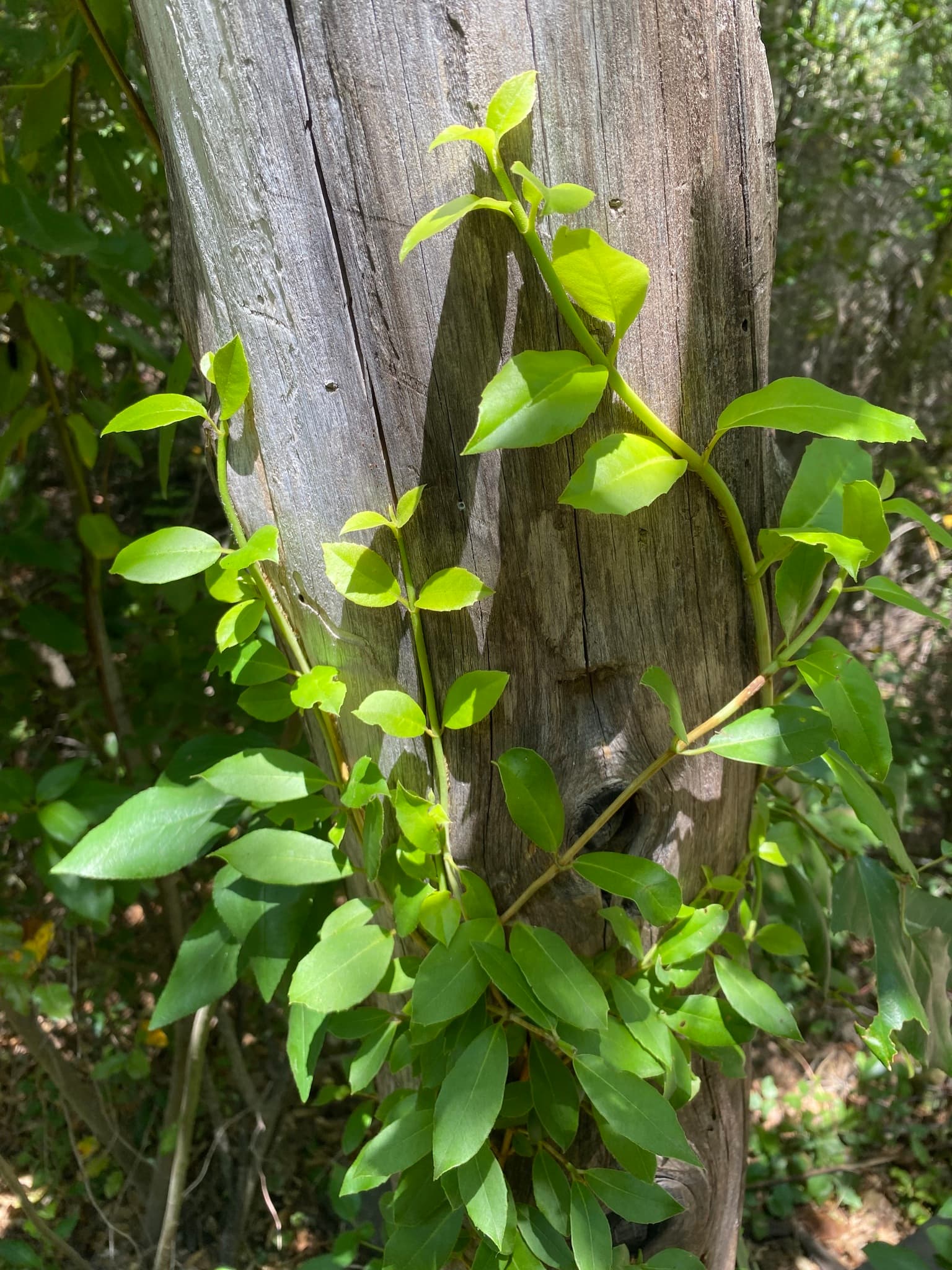
A herbaceous plant characterized by white, star-shaped flowers with prominent yellow anthers. It produces tubers underground and has green, ovate leaves, typical of the potato genus.