Cestrum velutinum
NameCestrum velutinum
Scientific NameCestrum velutinum
Plant FamilySolanaceae
Natural HabitatNative to South America, particularly Brazil, where it grows in various forest types, often found in disturbed areas, forest edges, or secondary growth.
Parts Used
Traditional UsesTraditional medicinal uses for Cestrum velutinum are not well-documented due to its significant toxicity. While some related Cestrum species have been historically used with extreme caution for conditions like fever or pain, Cestrum velutinum is generally considered poisonous, and internal use is highly dangerous.
Active ConstituentsGlycosides, Saponins, Alkaloids
Contraindications & WarningsAll parts of Cestrum velutinum are highly poisonous, especially the berries. Ingestion can cause severe gastrointestinal upset, neurological symptoms, and can be fatal to humans and livestock. It should not be used medicinally.
Cultivation NotesThis plant thrives in tropical to subtropical climates, preferring well-drained soil and full sun to partial shade. It can be grown as an ornamental shrub, but extreme caution is necessary due to its toxicity, especially around children and pets.
Raritycommon
Description
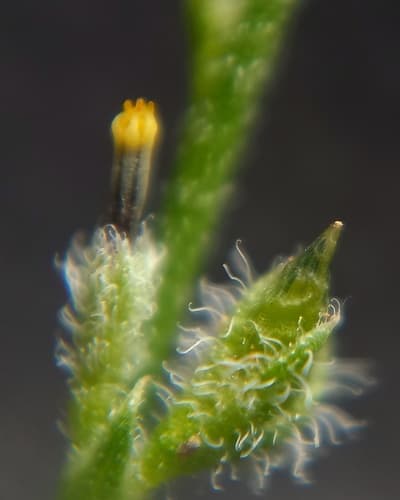
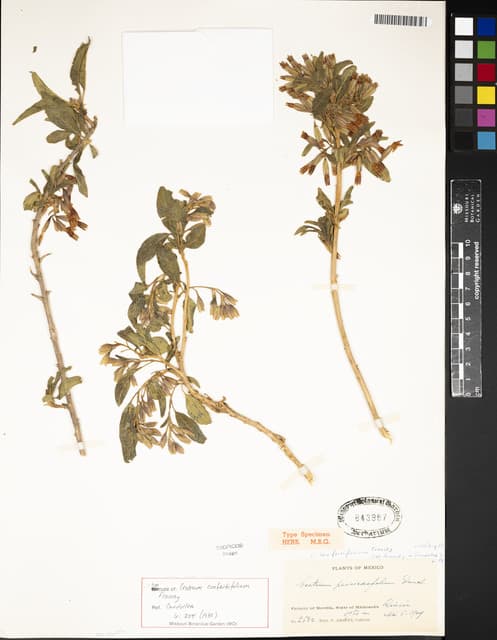
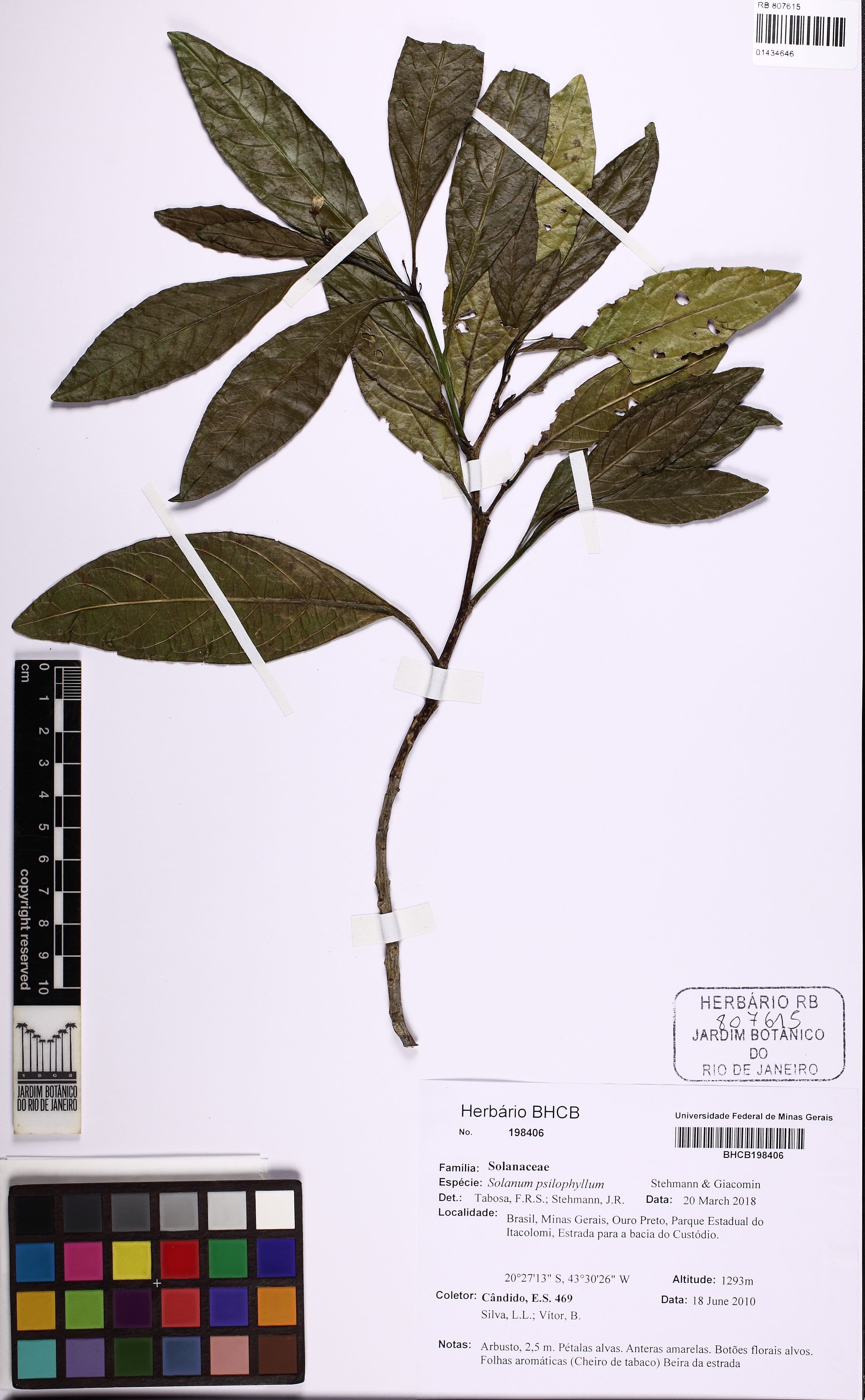
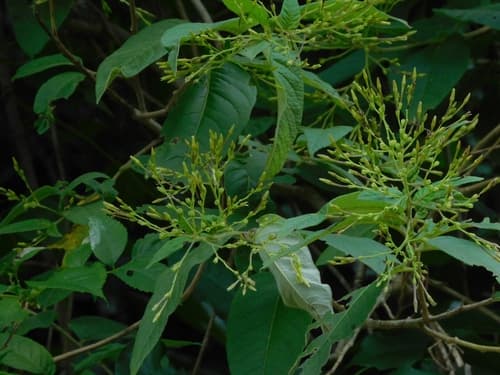
Cestrum velutinum is a shrub or small tree, characterized by its velvety leaves and branches. It produces dense clusters of small, elongated, greenish-yellow flower buds, as seen in the image, which develop into tubular flowers and then berries.