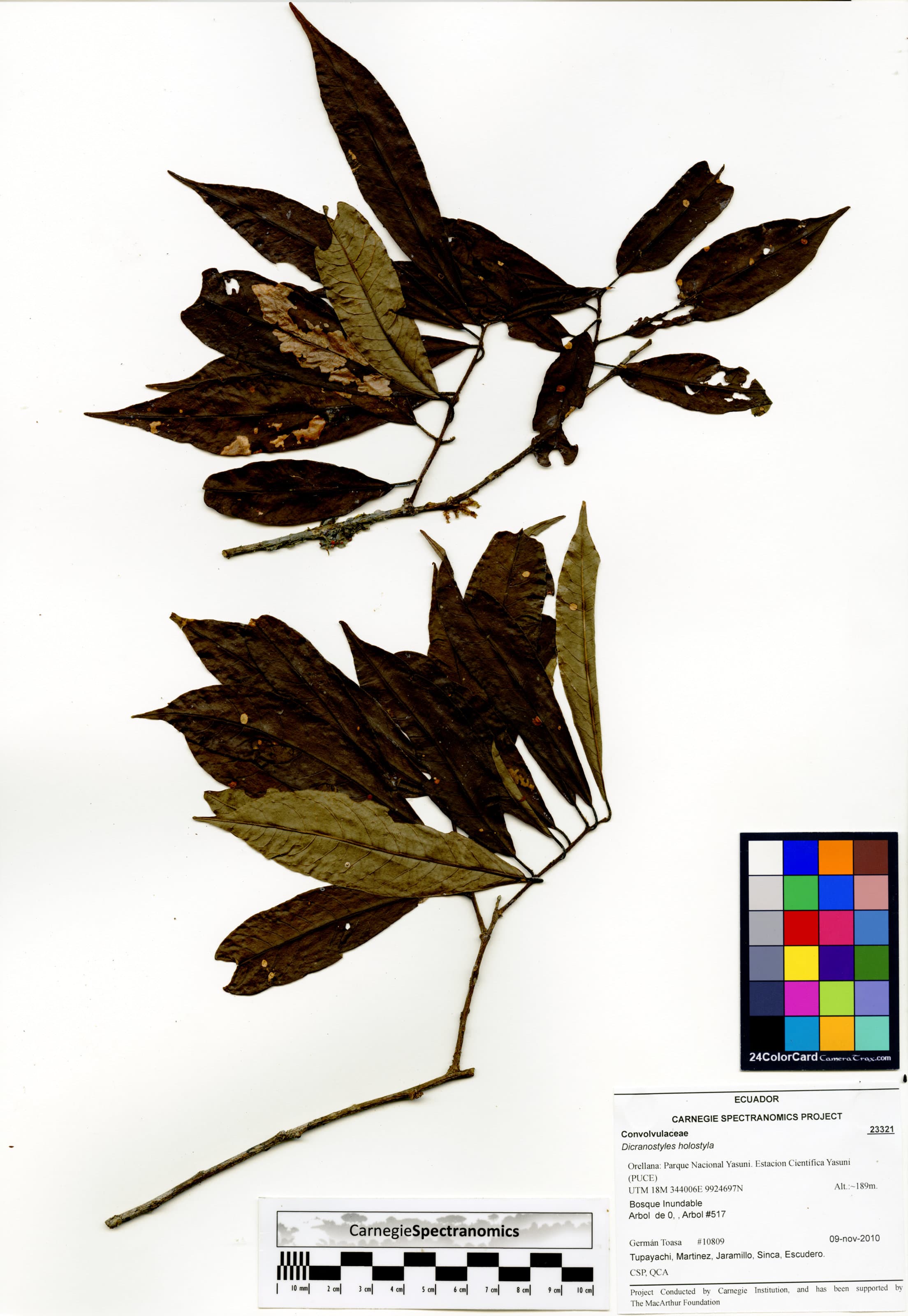
Nicotiana paa
NameNicotiana paa
Scientific NameNicotiana paa
Common NamesWild Tobacco, Andean Tobacco
Plant FamilySolanaceae
Natural HabitatNative to the Andean regions of South America, growing in disturbed areas, roadsides, open fields, and forest edges, often at higher elevations.
Parts Usedleaf,flower
Medicinal Actionsanalgesic, sedative
Traditional UsesTraditionally used by indigenous communities in the Andes for ceremonial and spiritual purposes, often as a sacred plant. Medicinally, it has been applied topically as a poultice for pain relief, insect bites, and skin ailments. It was also used in ritualistic smoking or as snuff for its psychoactive effects, though its high toxicity limits safe internal use.
Active ConstituentsNicotine, Anabasine, Nornicotine, Myosmine
Preparation Methodspoultice, powder
Contraindications & WarningsHighly toxic and addictive. Not recommended for internal use due to severe toxicity. Contraindicated in pregnancy, breastfeeding, heart conditions, hypertension, gastrointestinal issues, and in conjunction with many medications. Can cause nausea, vomiting, dizziness, and paralysis in overdose.
Cultivation NotesPrefers full sun and well-drained soil. Thrives in warm climates but can tolerate some cooler temperatures typical of its Andean habitat. Propagated by seed.
Rarityuncommon
Description
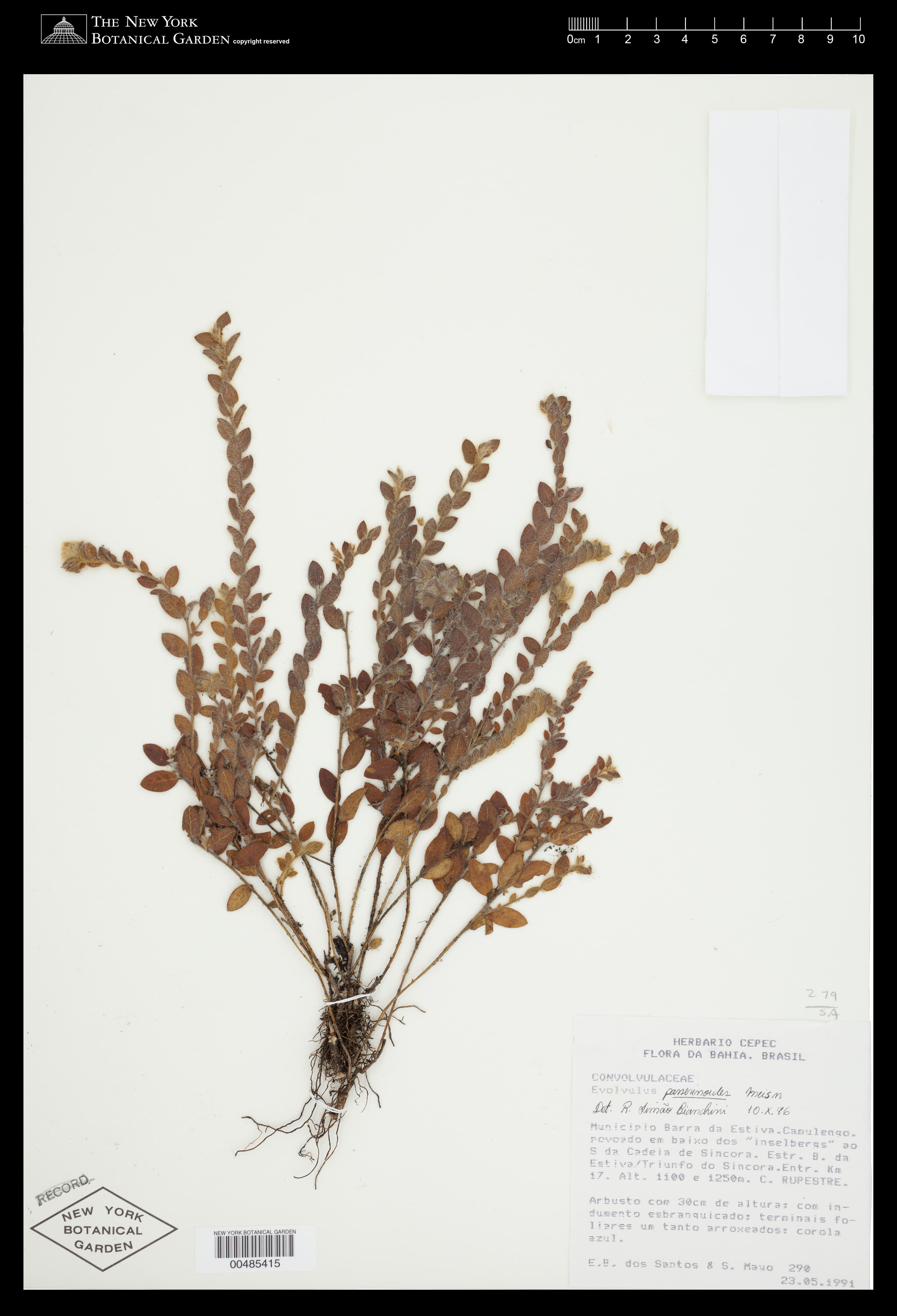
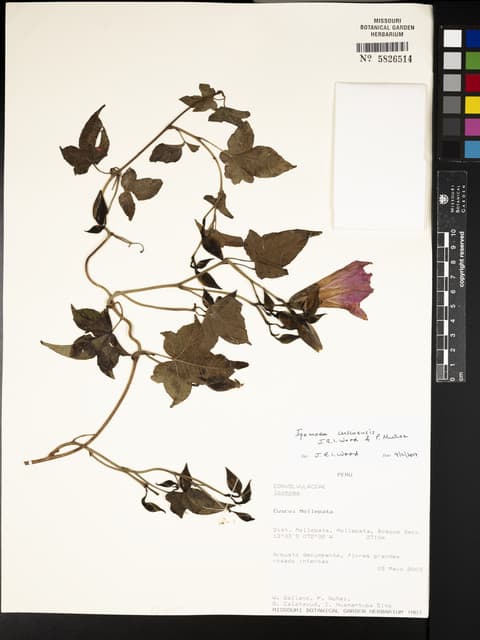
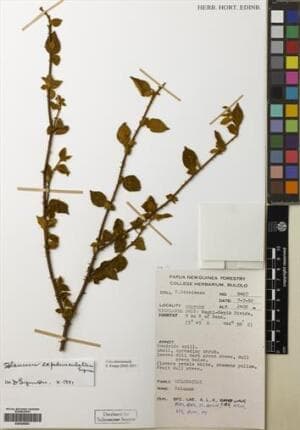
A herbaceous plant characterized by its simple, often sticky leaves and terminal clusters of white, tubular flowers. The flowers typically have five petals fused into a tube, flaring at the mouth, and are often fragrant.