Golden Cestrum
NameGolden Cestrum
Scientific NameCestrum virgaurea
Common NamesGolden Cestrum, Andean Cestrum, Jazmín del monte
Plant FamilySolanaceae
Natural HabitatNative to montane and cloud forests of the Andes in South America, thriving in humid, subtropical to temperate climates at higher elevations. It is often found in forest edges and clearings.
Parts Usedleaf,flower
Medicinal Actionsanalgesic, anti-inflammatory
Traditional UsesWhile some *Cestrum* species have limited traditional uses in folk medicine for conditions like fever or pain, *Cestrum virgaurea* is primarily known for its toxicity. Any traditional application would be highly localized and require extreme caution due to the presence of toxic compounds, often restricted to external use or highly diluted preparations.
Active ConstituentsSteroidal glycoalkaloids, Saponins
Preparation Methodsinfusion, decoction, poultice
Contraindications & WarningsAll parts of *Cestrum virgaurea* are considered highly toxic, containing steroidal glycoalkaloids and saponins. Ingestion can cause severe gastrointestinal upset, neurological symptoms, and potentially be fatal. This plant is not recommended for internal use under any circumstances. Avoid contact with skin and eyes. Pregnant and nursing women, children, and individuals with liver or kidney conditions should strictly avoid this plant.
Cultivation NotesPrefers well-drained, fertile soil and a position with partial to full sun. Requires a humid, subtropical to temperate climate and protection from frost. Can be propagated by seed or cuttings and is often grown as an ornamental in suitable climates.
Rarityuncommon
Description
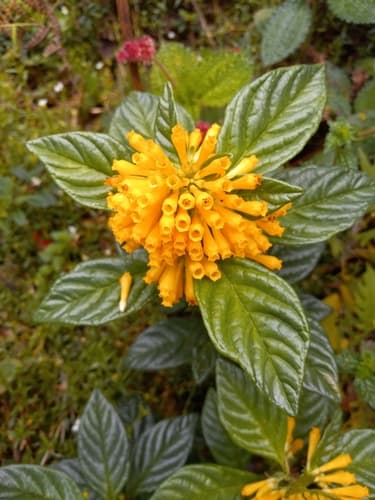
Cestrum virgaurea is an evergreen shrub or small tree native to the Andes, characterized by its dense clusters of bright yellow, tubular flowers. Its leaves are typically dark green, simple, and have prominent venation, contributing to its ornamental appeal. The plant can reach several meters in height.