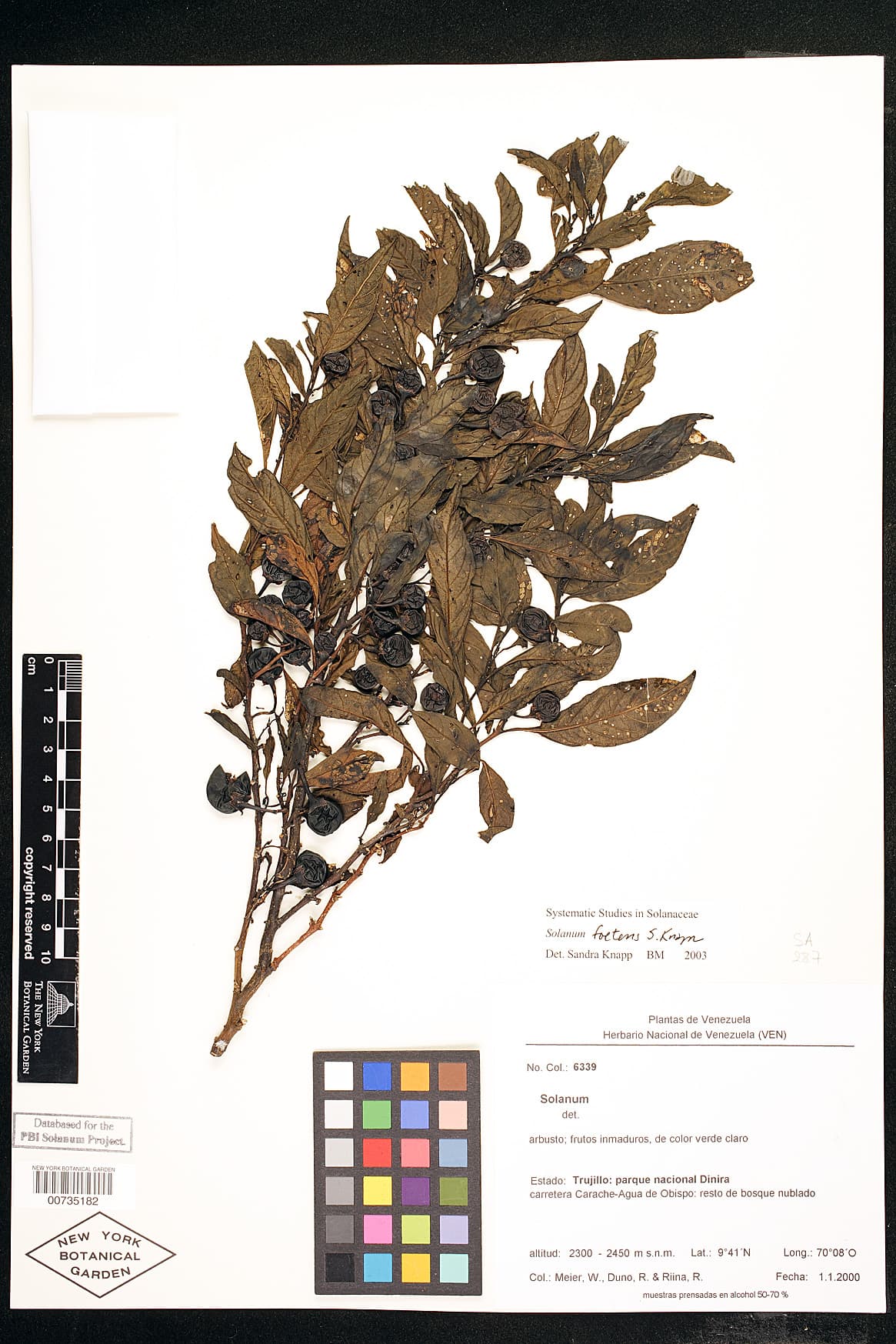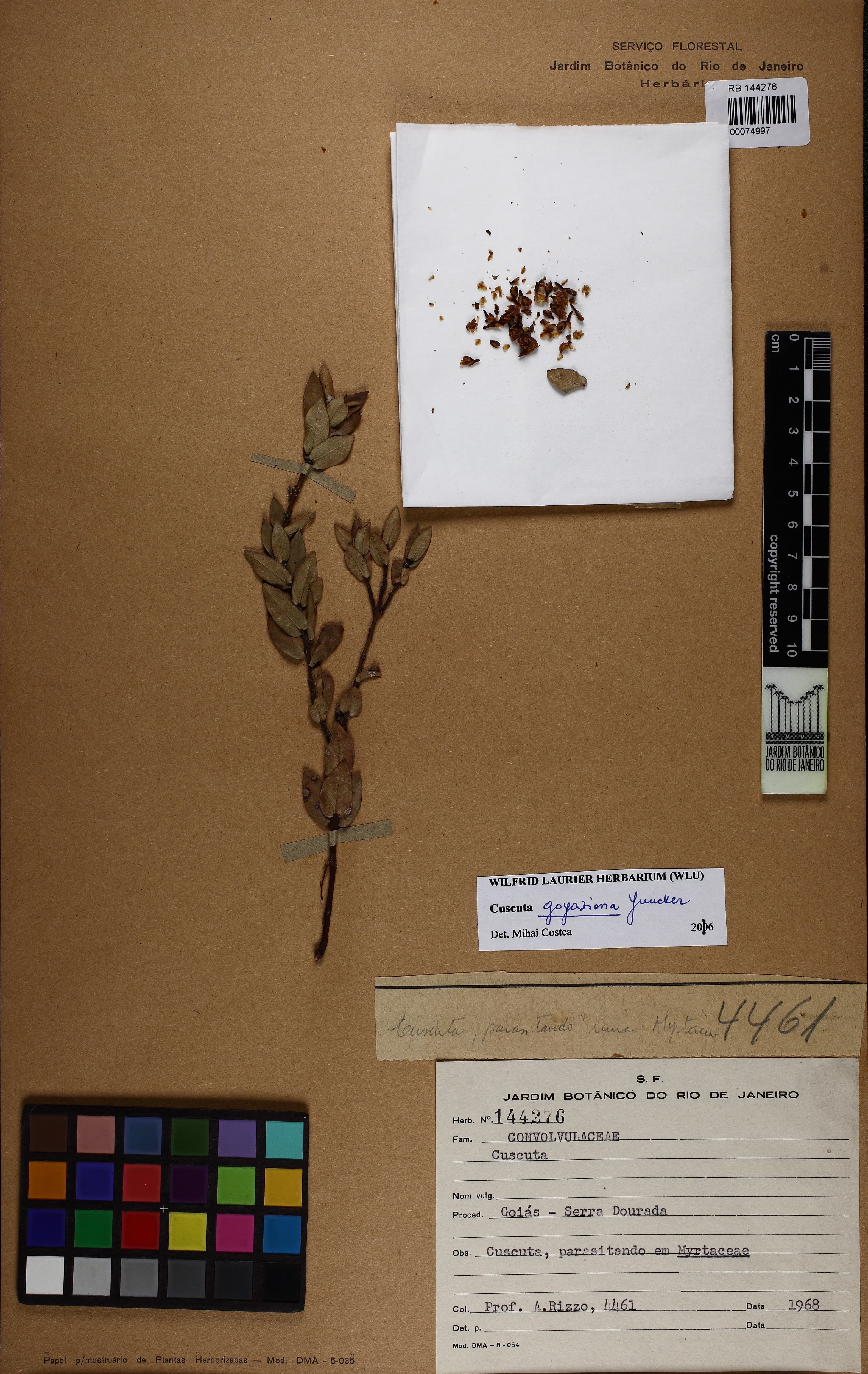
Cestrum strictum
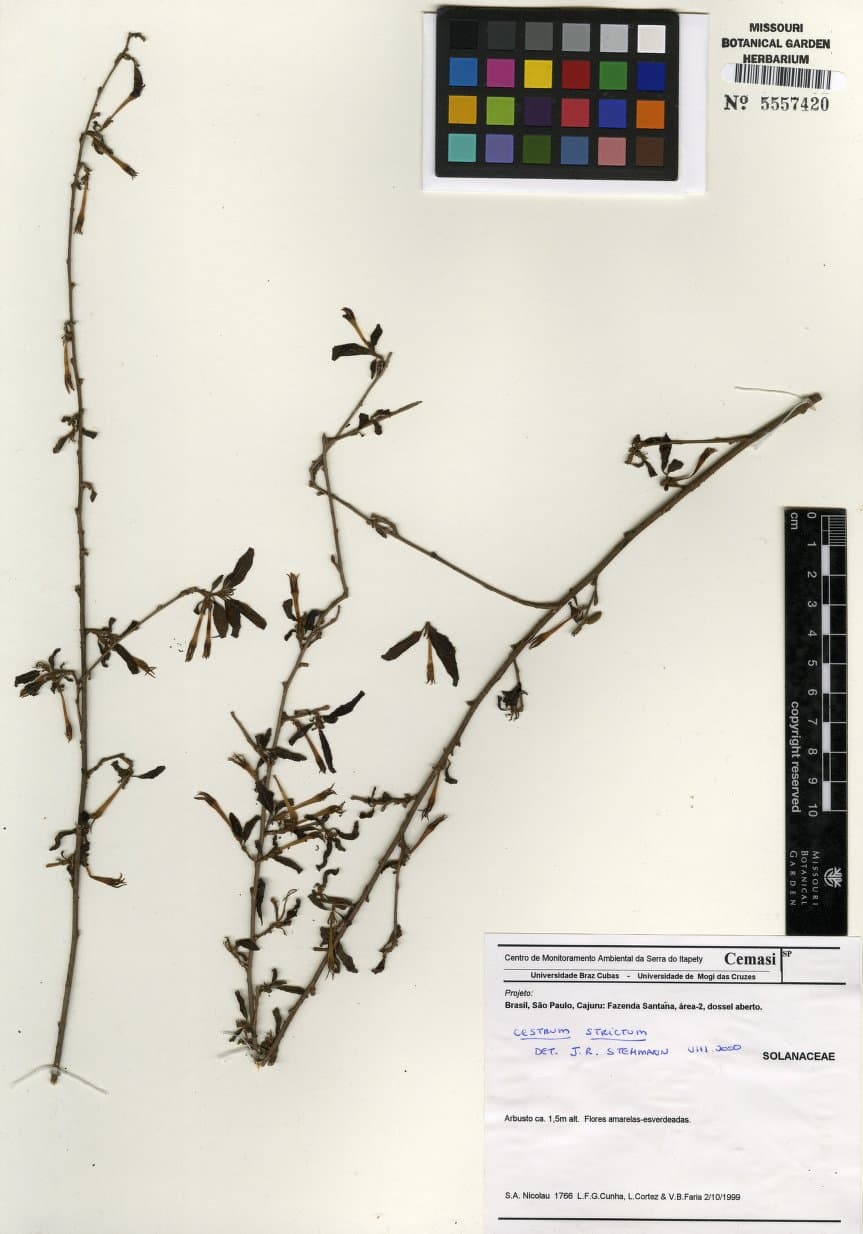
Image: MBG (cc-by-nc)
NameCestrum strictum
Scientific NameCestrum strictum Schott ex Sendtn.
Common NamesCestrum, Night Jasmine (general)
Plant FamilySolanaceae
Natural HabitatNative to Brazil, found in open canopy areas, forest edges, and disturbed sites in tropical and subtropical regions, as indicated by the collection locality in São Paulo.
Parts Usedleaf,stem
Medicinal Actionsanti-inflammatory, analgesic, antimicrobial
Traditional UsesWhile specific traditional uses for Cestrum strictum are not widely documented, other Cestrum species have been historically used in folk medicine for conditions like fever, pain, and inflammation, typically with extreme caution due to toxicity.
Active Constituentssteroidal saponins, alkaloids, flavonoids
Preparation Methodsdecoction, poultice
Contraindications & WarningsAll parts of Cestrum strictum are considered toxic, containing steroidal glycoalkaloids and saponins. Ingestion can cause severe gastrointestinal upset, neurological symptoms, and cardiac issues. Not recommended for internal use without expert medical supervision.
Cultivation NotesThrives in warm climates with well-drained soil and prefers full sun to partial shade. Can be propagated from seeds or cuttings.
Raritycommon
Description
A shrub growing up to 1.5 meters tall, characterized by slender stems and greenish-yellow, tubular flowers. Its leaves are simple and alternate, typical of the genus.