Cestrum rigidifolium
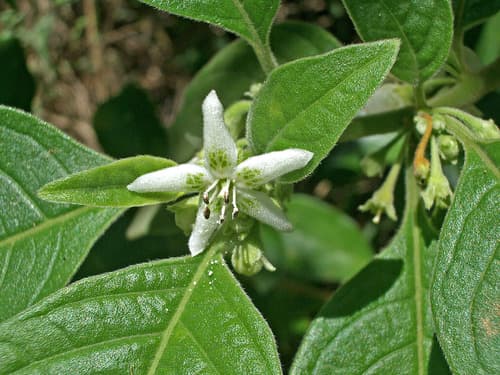
Image: Lehmann (cc-by)
NameCestrum rigidifolium
Scientific NameCestrum rigidifolium Francey
Plant FamilySolanaceae
Natural HabitatNative to high-altitude regions of the Central Andes, specifically documented in Colombia (Guanacas, Popayan) at elevations between 3500 and 4000 meters.
Parts Usedleaf,flower
Traditional UsesSpecific traditional medicinal uses for *Cestrum rigidifolium* are not widely documented in ethnobotanical literature. The genus *Cestrum* is generally known for its toxicity due to the presence of steroidal glycoalkaloids and saponins, and internal use is strongly discouraged.
Active Constituentssteroidal glycoalkaloids, saponins
Contraindications & WarningsEXTREMELY TOXIC. All parts of *Cestrum* species, including *C. rigidifolium*, are considered poisonous and can cause severe gastrointestinal distress, neurological symptoms, and even death if ingested. Avoid use by pregnant or lactating women, children, and individuals with liver or kidney conditions. No internal use is recommended.
Cultivation NotesThis species is adapted to high-altitude Andean environments, suggesting it prefers cool temperatures, well-drained soil, and potentially full sun to partial shade conditions. It is not typically cultivated as a medicinal or ornamental plant due to its toxicity.
Rarityuncommon
Description
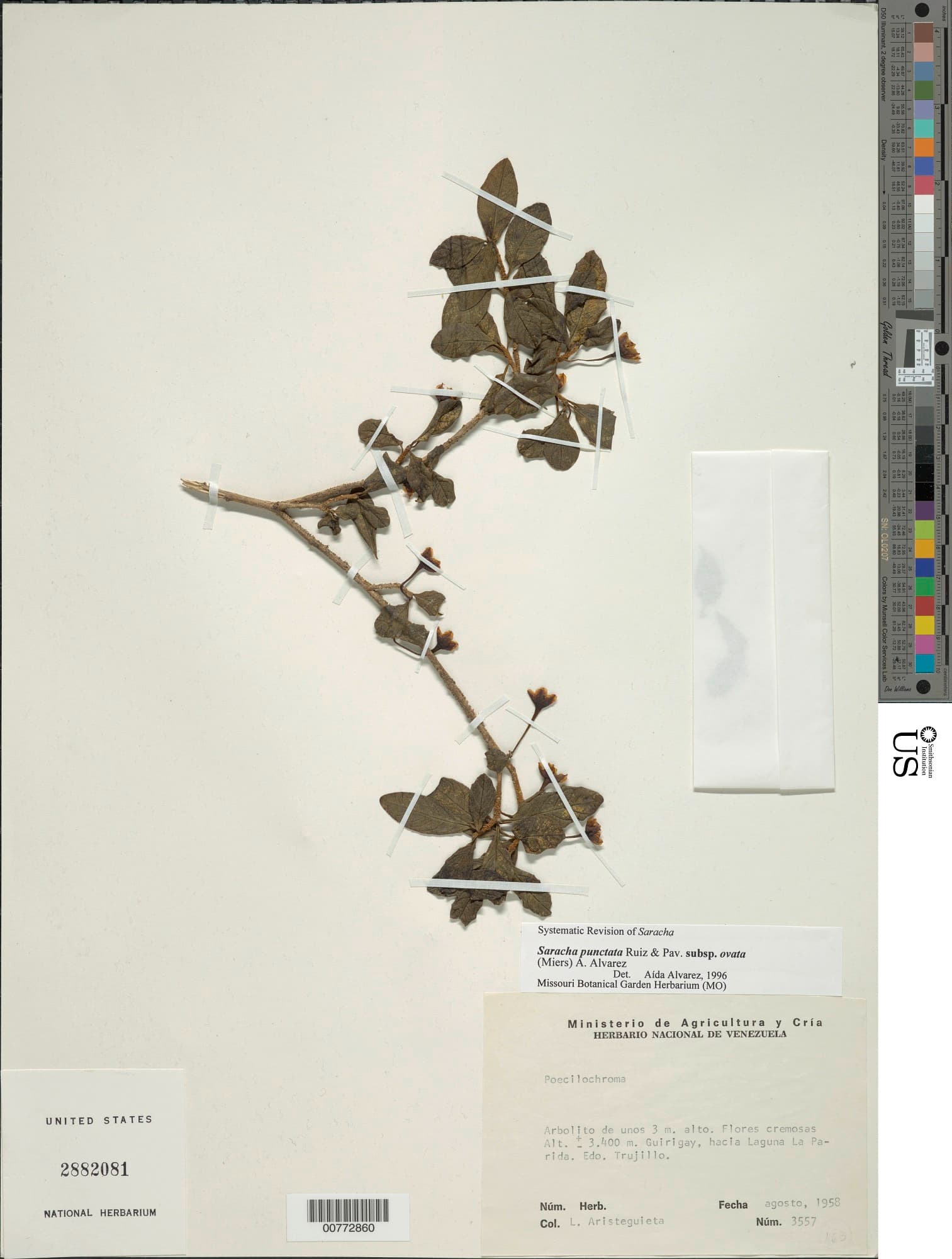
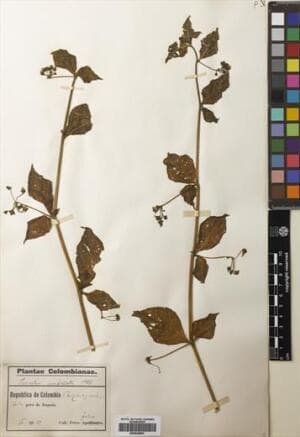
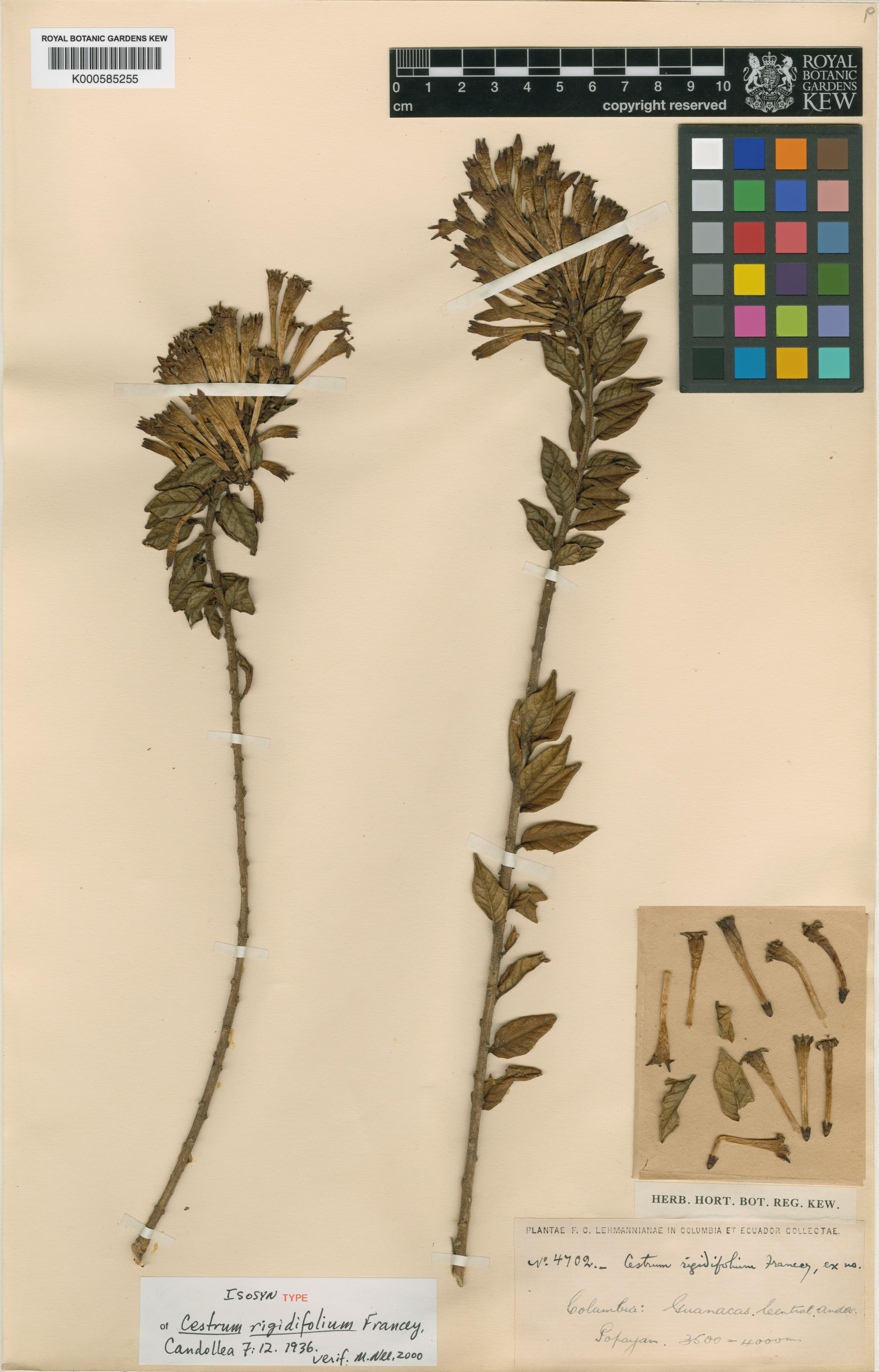
A woody shrub or small tree, characterized by alternate, simple, somewhat rigid or leathery leaves. It produces terminal clusters of tubular flowers, which are typically dried and brown in the provided specimen.