Athenaea picta
NameAthenaea picta
Scientific NameAthenaea picta
Common NamesPainted Athenaea, Solanaceous Witheringia
Plant FamilySolanaceae
Natural HabitatNative to tropical and subtropical regions of Central and South America, this plant is often found in disturbed areas, forest edges, and clearings, thriving in warm, humid environments.
Parts Usedleaf,root,whole_plant
Medicinal Actionsanti-inflammatory, antimicrobial, antioxidant, diuretic
Traditional UsesTraditionally, Athenaea picta (or its accepted synonym Witheringia solanacea) has been used in folk medicine for its anti-inflammatory properties, to alleviate pain, and as a diuretic. It has also been applied topically for skin conditions and internally for fevers in some traditional practices.
Active ConstituentsWithanolides, Steroidal lactones
Preparation Methodsinfusion, decoction, tincture, poultice
Contraindications & WarningsAs a member of the Solanaceae family, this plant may contain potent alkaloids. It should be used with caution, especially by pregnant or lactating individuals, and those with pre-existing medical conditions. Consultation with a qualified herbalist or healthcare professional is recommended before use due to potential toxicity and drug interactions.
Cultivation NotesAthenaea picta prefers warm climates with well-drained soil and can tolerate partial shade to full sun. It can be propagated from seeds and requires consistent moisture, especially during dry periods. It is generally robust in its native habitat.
Raritycommon
Description
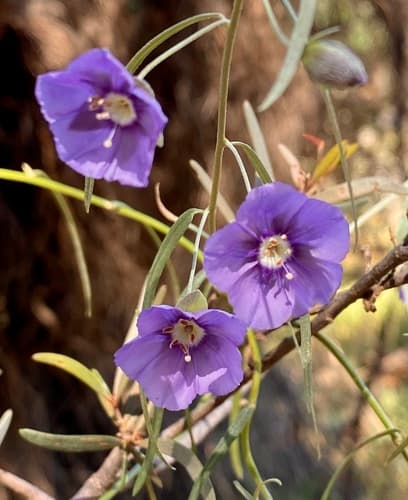
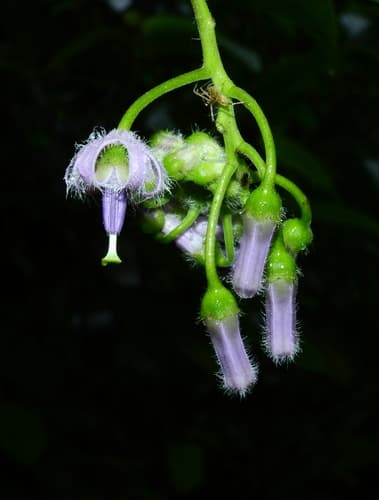
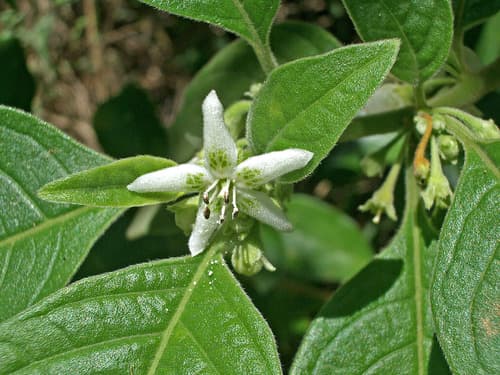
Athenaea picta is a herbaceous shrub or subshrub, typically growing up to 1-2 meters tall, characterized by simple, ovate to lanceolate, often pubescent leaves. It produces small, star-shaped white or greenish-white flowers, usually solitary or in small clusters in the leaf axils, which develop into small berries.