Cestrum mancoi
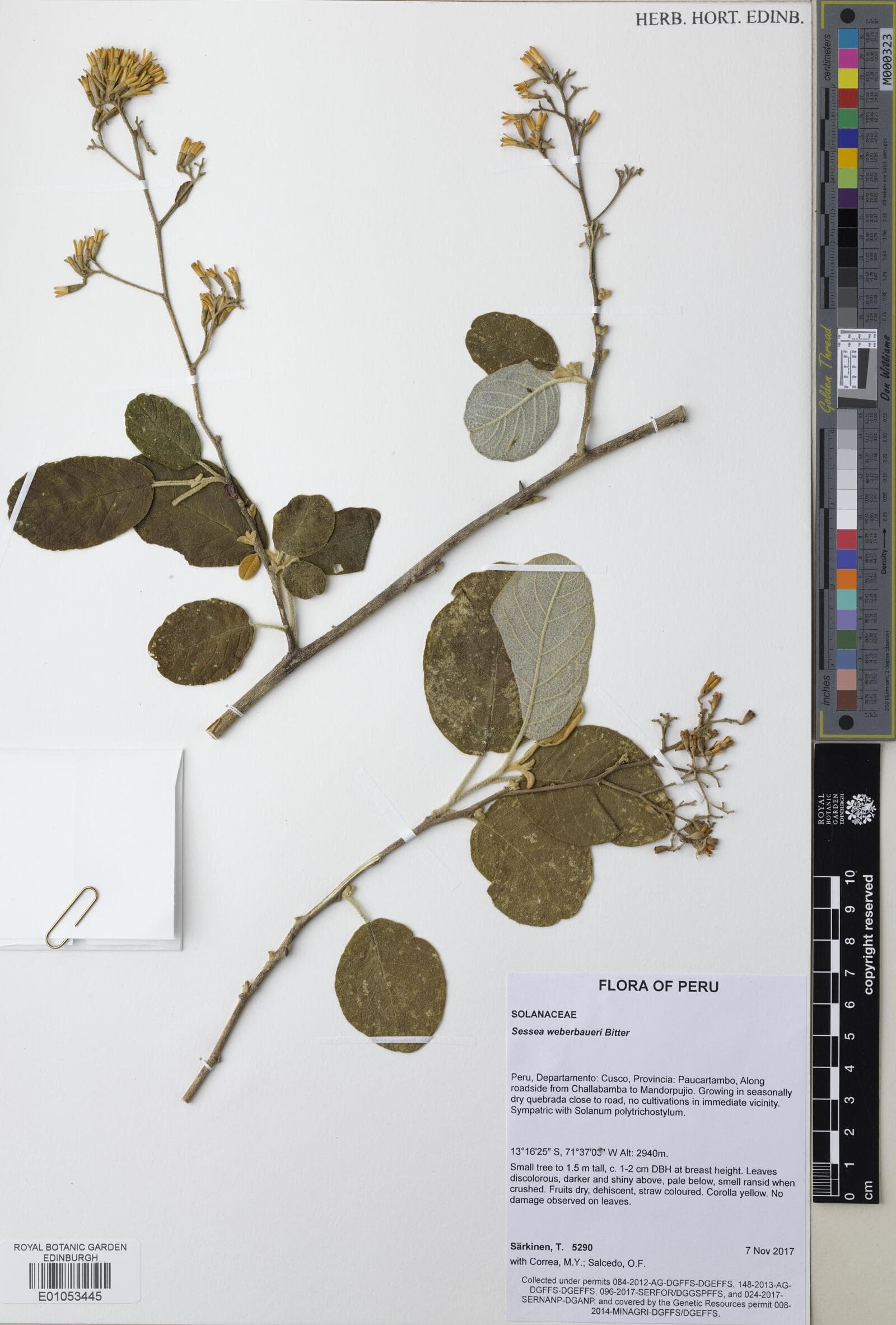
Image: Royal Botanic Garden Edinburgh (cc0)
NameCestrum mancoi
Scientific NameCestrum mancoi
Plant FamilySolanaceae
Natural HabitatThis plant is endemic to Peru, commonly found in dry inter-Andean valleys and similar arid to semi-arid regions at moderate to high altitudes.
Parts Used
Traditional UsesSpecific traditional medicinal uses for Cestrum mancoi are not well-documented. The genus Cestrum is generally known for containing toxic compounds, and many species are considered poisonous, especially if ingested.
Active Constituentssteroidal glycoalkaloids, saponins
Contraindications & WarningsCestrum mancoi is considered highly toxic. All parts of the plant are likely poisonous if ingested, potentially causing severe gastrointestinal, neurological, and cardiac symptoms. Due to its toxicity, it should not be used internally or externally for medicinal purposes.
Cultivation NotesCestrum mancoi thrives in dry, well-drained soils and warm climates, typical of its native Peruvian habitat. Propagation can be achieved through seeds or cuttings, but cultivation is primarily for botanical study rather than ornamental or medicinal use due to its inherent toxicity.
Rarityuncommon
Description
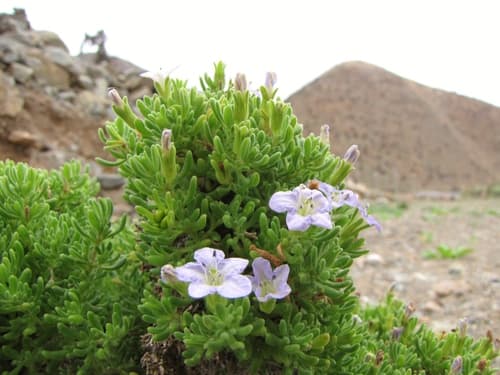
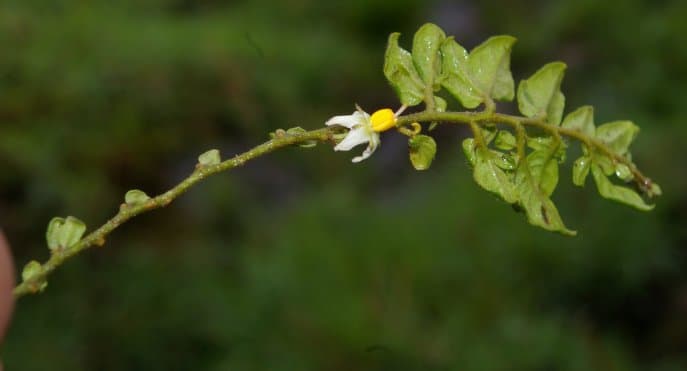
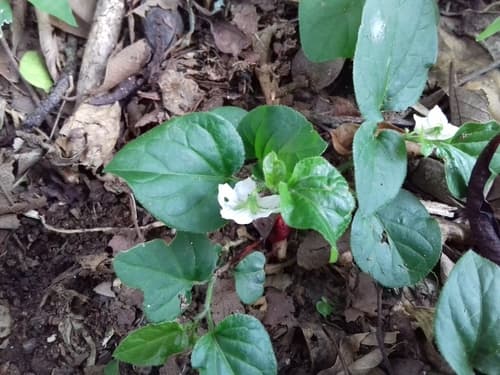
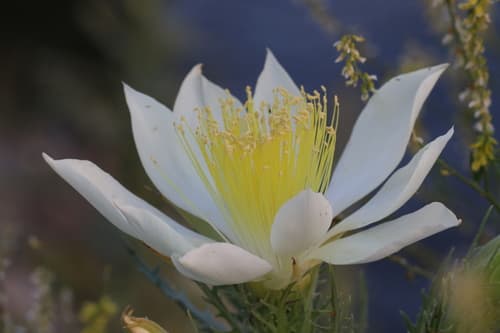
Cestrum mancoi is a species of shrub or small tree belonging to the nightshade family, native to Peru. It typically features simple, alternate leaves and tubular flowers, which develop into berries.