Cestrum humile
NameCestrum humile
Scientific NameCestrum humile
Plant FamilySolanaceae
Natural HabitatNative to South America, particularly Brazil, where it is often found in open forests, clearings, and disturbed areas.
Parts Usedleaf,flower
Medicinal Actionsanalgesic, anti-inflammatory
Traditional UsesWhile some *Cestrum* species have been used in traditional medicine for conditions such as fever and pain, or externally for skin ailments, *Cestrum humile* is primarily known for its toxicity. Any traditional medicinal uses are scarce and associated with significant risk, often involving highly diluted preparations or external application with extreme caution.
Active Constituentssteroidal saponins, tropane alkaloids, toxic glycosides
Preparation Methodsinfusion, poultice
Contraindications & WarningsAll parts of Cestrum humile are considered highly poisonous, especially to livestock and humans. Ingestion can cause severe gastrointestinal distress, neurological symptoms, and liver damage. Internal use is strongly contraindicated. Avoid use by pregnant or nursing women, children, and individuals with liver or kidney conditions. Handle with gloves and avoid contact with eyes or open wounds.
Cultivation NotesThis plant prefers full sun to partial shade and well-drained soil. It can be grown as an ornamental in warm climates and is relatively drought-tolerant once established. Due to its toxicity, it should be planted away from areas accessible to children and pets.
Raritycommon
Description
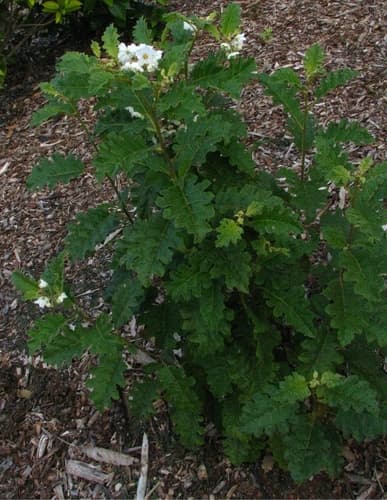
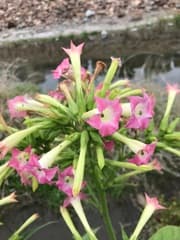
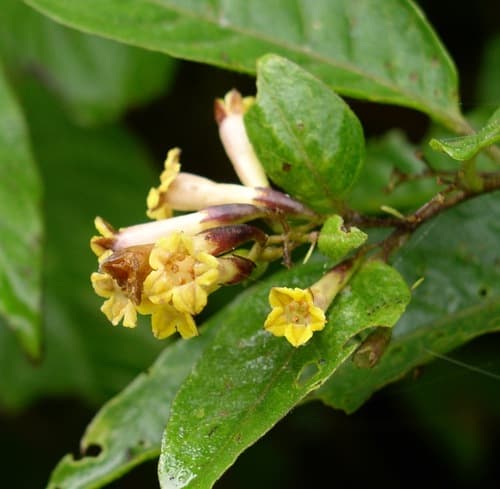
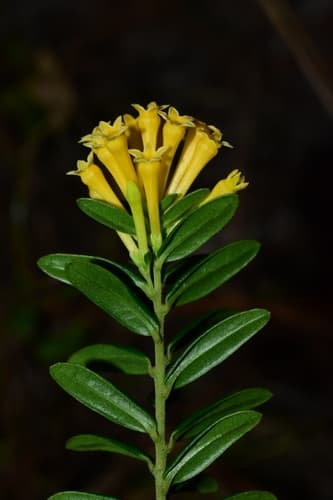
Cestrum humile is a shrub characterized by simple, alternate, entire, dark green leaves. It produces terminal clusters of small, tubular, yellow flowers, each with five small, reflexed lobes at the mouth of the tube.