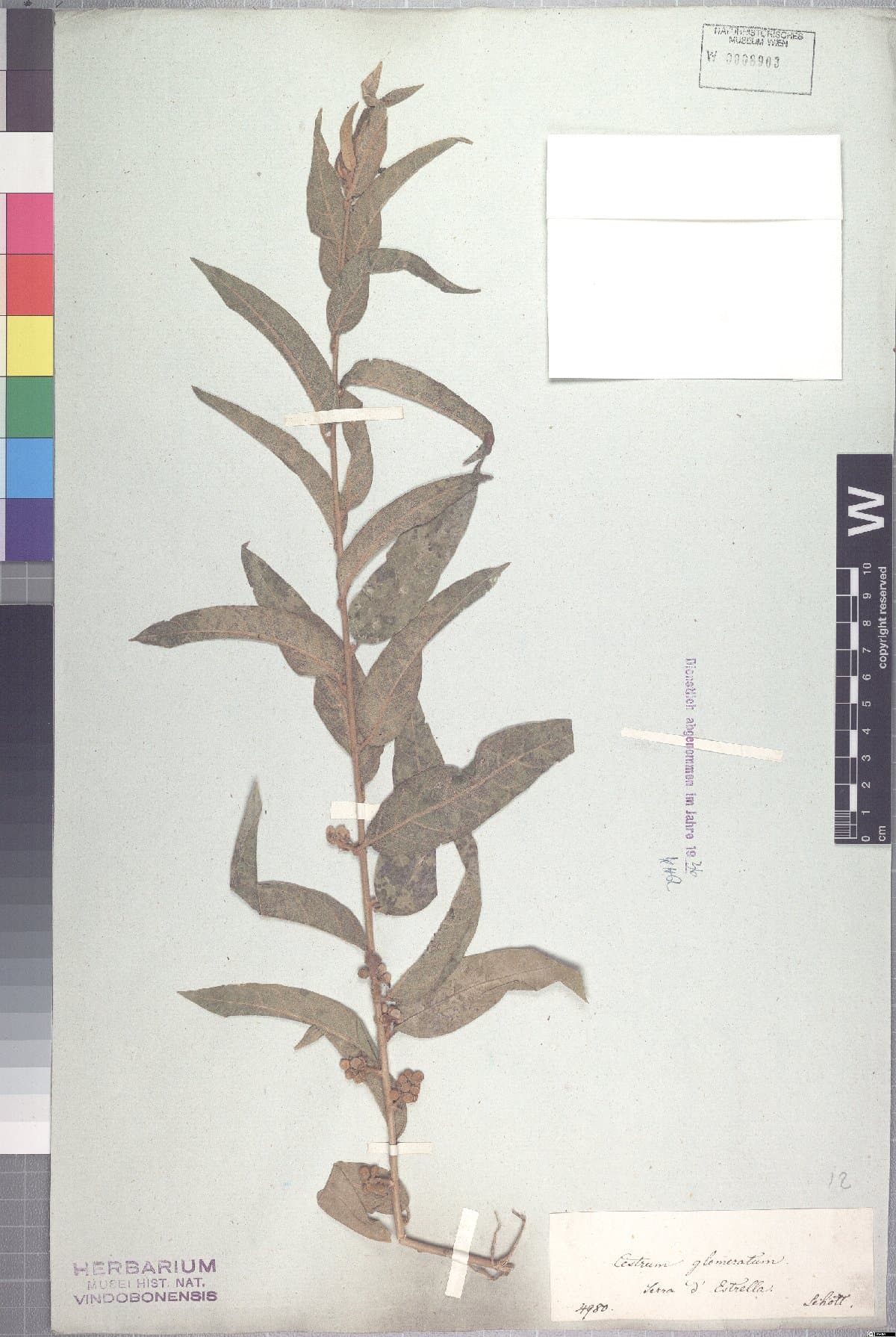
Cestrum glomeratum
Image: Schott,H.W. 4980 (cc-by)
NameCestrum glomeratum
Scientific NameCestrum glomeratum Schott ex Sendtn.
Plant FamilySolanaceae
Natural HabitatNative to tropical and subtropical regions of South America, particularly Brazil. It is often found in disturbed areas, forest edges, and open woodlands.
Parts Usedleaf,bark
Medicinal Actionsanalgesic, anti-inflammatory
Traditional UsesDue to its significant toxicity, Cestrum glomeratum has very limited and risky traditional medicinal uses. Some folk medicine traditions may have used the leaves or bark externally as a poultice for localized pain or inflammation, but internal use is highly discouraged and dangerous.
Active Constituentssteroidal saponins, alkaloids, glycosides
Preparation Methodspoultice, salve, powder
Contraindications & WarningsAll parts of Cestrum glomeratum are considered highly poisonous and should not be ingested. Symptoms of poisoning include severe gastrointestinal upset, neurological effects (drowsiness, convulsions), respiratory distress, and cardiac issues. It is strictly contraindicated in pregnancy, lactation, children, and individuals with liver, kidney, or heart conditions, or those on CNS-affecting medications. Avoid all internal use.
Cultivation NotesThis plant prefers full sun to partial shade and well-drained soil. It thrives in fertile, moist conditions and requires a warm, frost-free climate. It can be grown as an ornamental shrub in suitable regions.
Raritycommon
Description
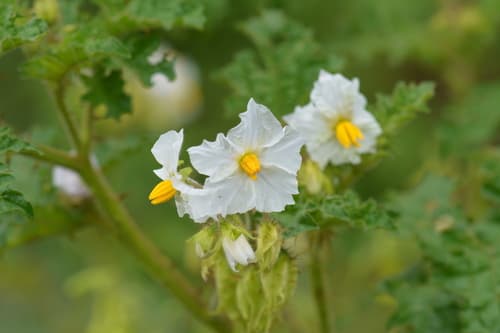
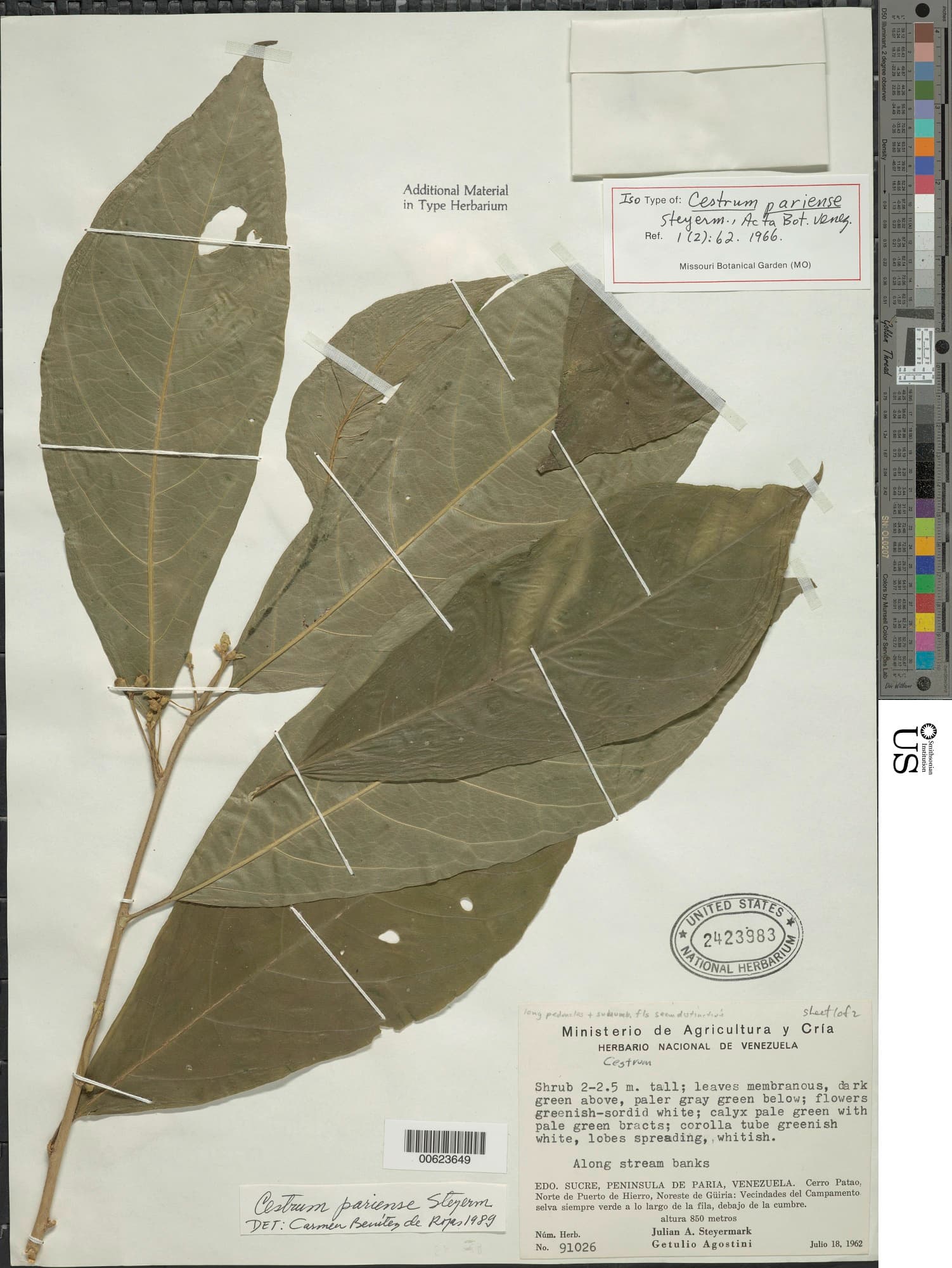
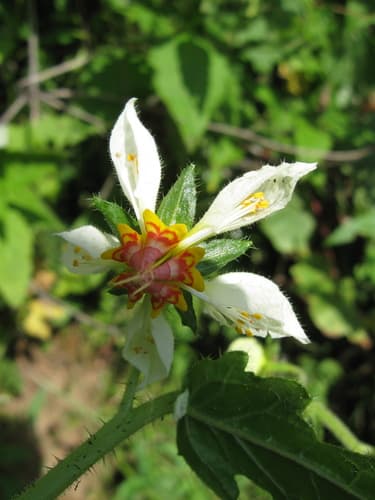
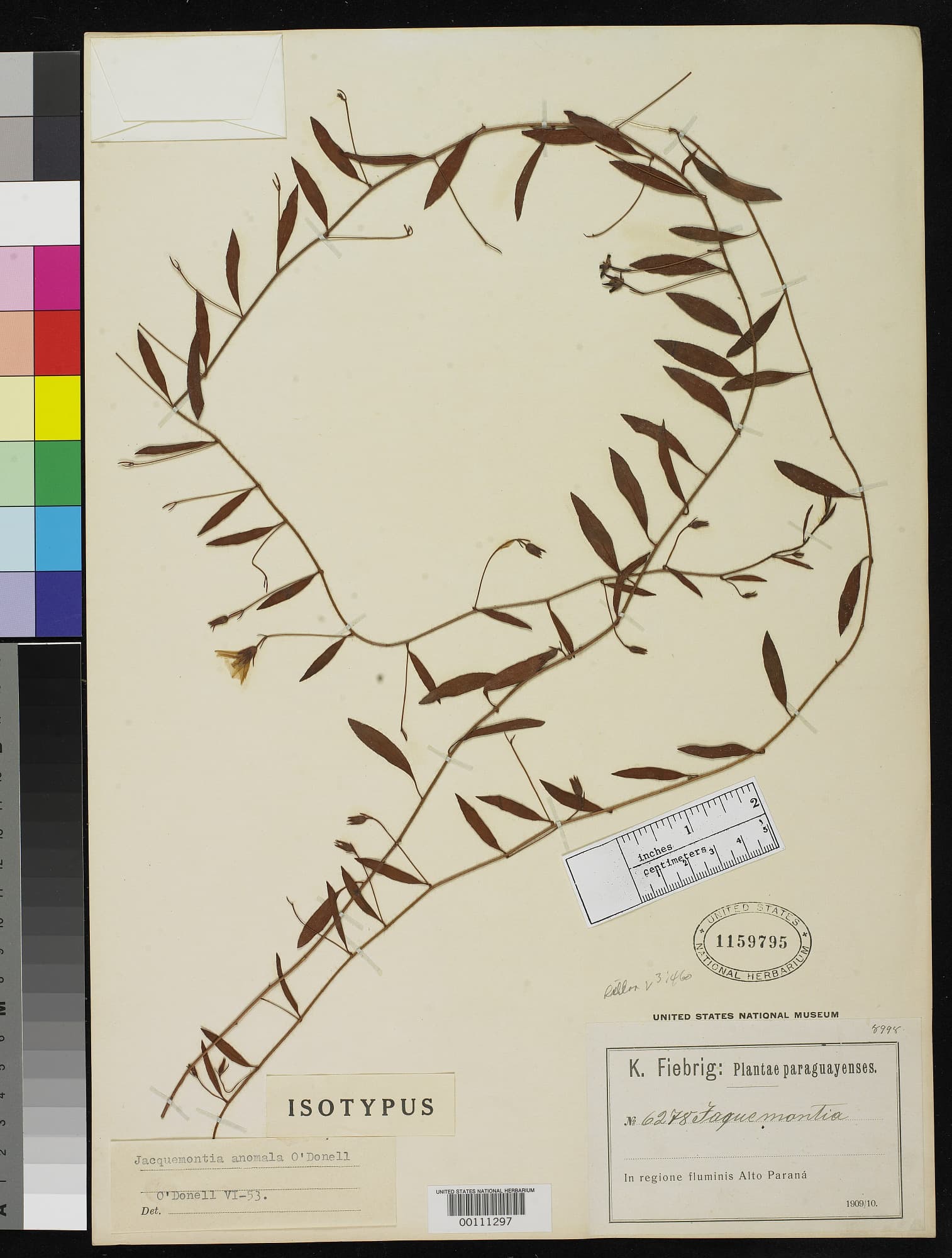
Cestrum glomeratum is a shrub or small tree characterized by simple, alternate, lanceolate to elliptic leaves. It produces small, tubular flowers typically clustered in axillary or terminal inflorescences, followed by small, berry-like fruits. The specimen shows a branch with leaves and developing fruit clusters.