Nasa hastata
NameNasa hastata
Scientific NameNasa hastata (Ruiz & Pav.) Weigend
Common NamesOrtiga brava, Pega pega
Plant FamilyLoasaceae
Natural HabitatNative to the Andean regions of South America, particularly Peru, where it thrives in disturbed areas, roadsides, and open slopes at moderate to high altitudes.
Parts Usedleaf,whole_plant
Medicinal Actionsanalgesic, anti-inflammatory, diuretic
Traditional UsesTraditionally, *Nasa hastata* is used externally as a counter-irritant for rheumatic pain, arthritis, and muscle aches, often applied as a poultice. Internally, it has been used cautiously as a diuretic for urinary tract issues.
Active Constituentsflavonoids, phenolic compounds, histamine, acetylcholine
Preparation Methodspoultice, infusion, decoction
Contraindications & WarningsDirect skin contact causes significant irritation, redness, and pain due to stinging hairs. Internal use requires extreme caution and is not recommended for pregnant or breastfeeding women, young children, or individuals with gastrointestinal sensitivities.
Cultivation NotesNot commonly cultivated due to its stinging nature. It prefers well-drained soil and full sun to partial shade, mimicking its native high-altitude Andean habitat.
Raritycommon
Description
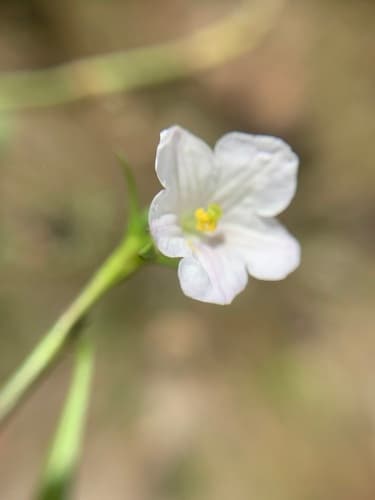
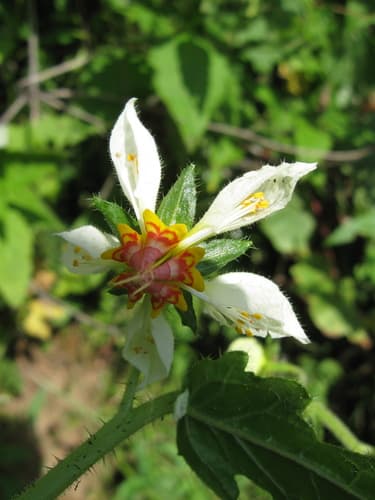
A herbaceous plant native to the Andes, characterized by its stinging hairs (glochids) and striking white flowers with a complex, colorful central structure. Its leaves are often hastate or lobed, contributing to its distinctive appearance.