Cestrum pariense
Image: Conveyor Belt (cc0)
NameCestrum pariense
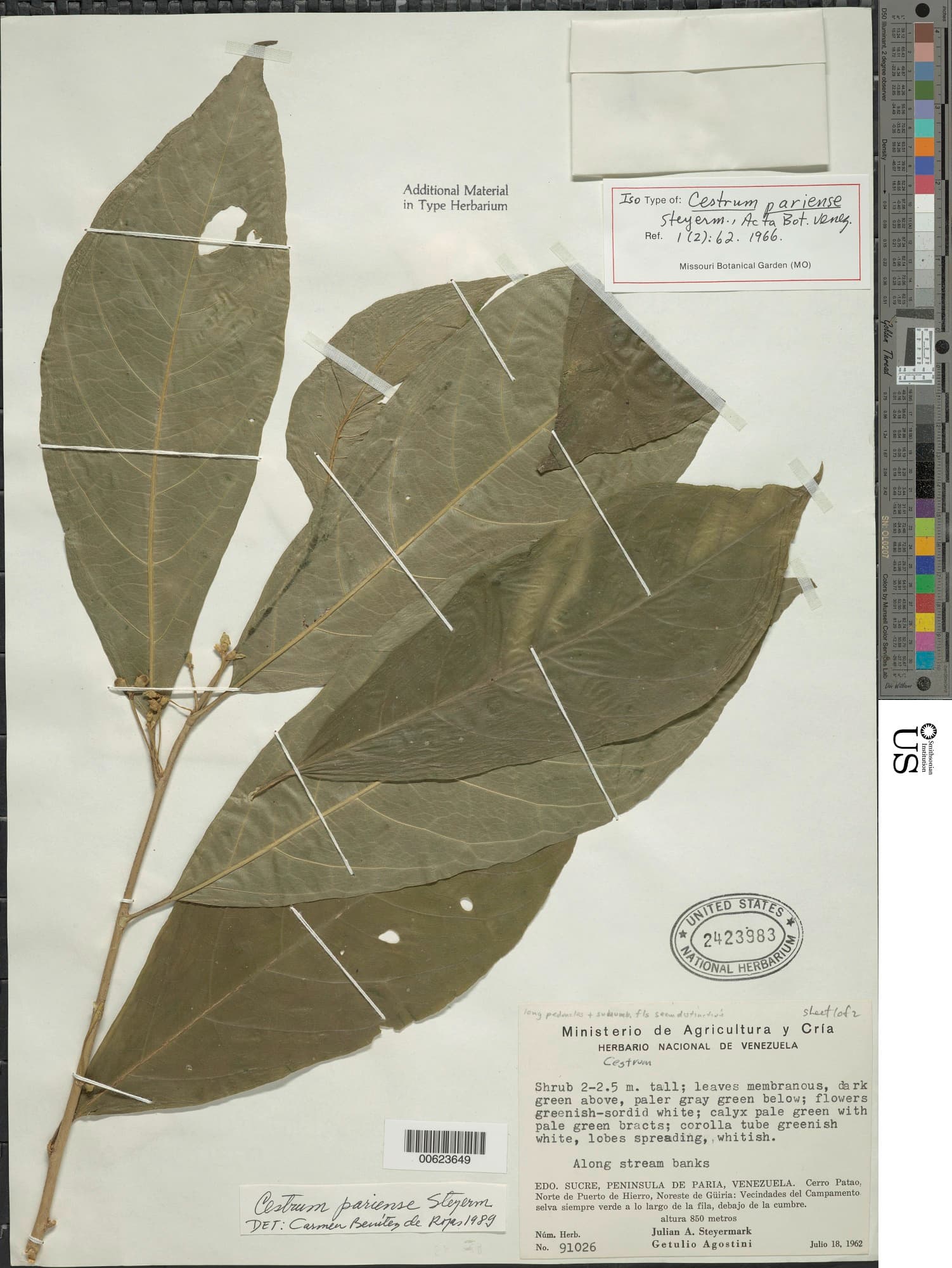
Scientific NameCestrum pariense Steyerm.
Plant FamilySolanaceae
Natural HabitatFound along stream banks in evergreen forests at an altitude of 850 meters, specifically in the Peninsula de Paria, Sucre state, Venezuela, near Cerro Patao.
Parts Usedleaf,flower
Traditional UsesNo well-documented traditional medicinal uses are specifically attributed to Cestrum pariense. The genus Cestrum is known to contain various alkaloids, some of which are toxic, and some species have limited traditional uses, often requiring careful preparation due to potential toxicity.
Contraindications & WarningsSpecific contraindications for Cestrum pariense are not documented. However, due to the presence of potentially toxic compounds in many Cestrum species, ingestion of any part of this plant should be avoided. It is generally considered potentially poisonous, and caution is advised.
Cultivation NotesAs a tropical shrub found along stream banks, Cestrum pariense likely thrives in humid, warm environments with consistently moist, well-drained soil. Specific cultivation requirements are not widely documented.
Rarityuncommon
Description
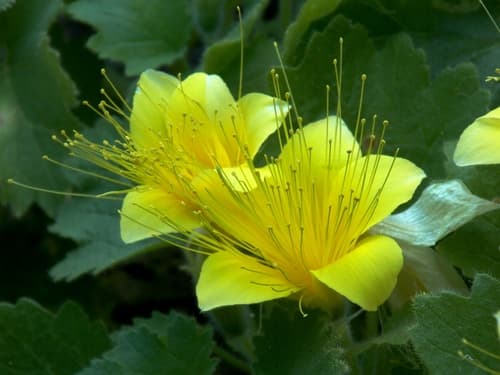
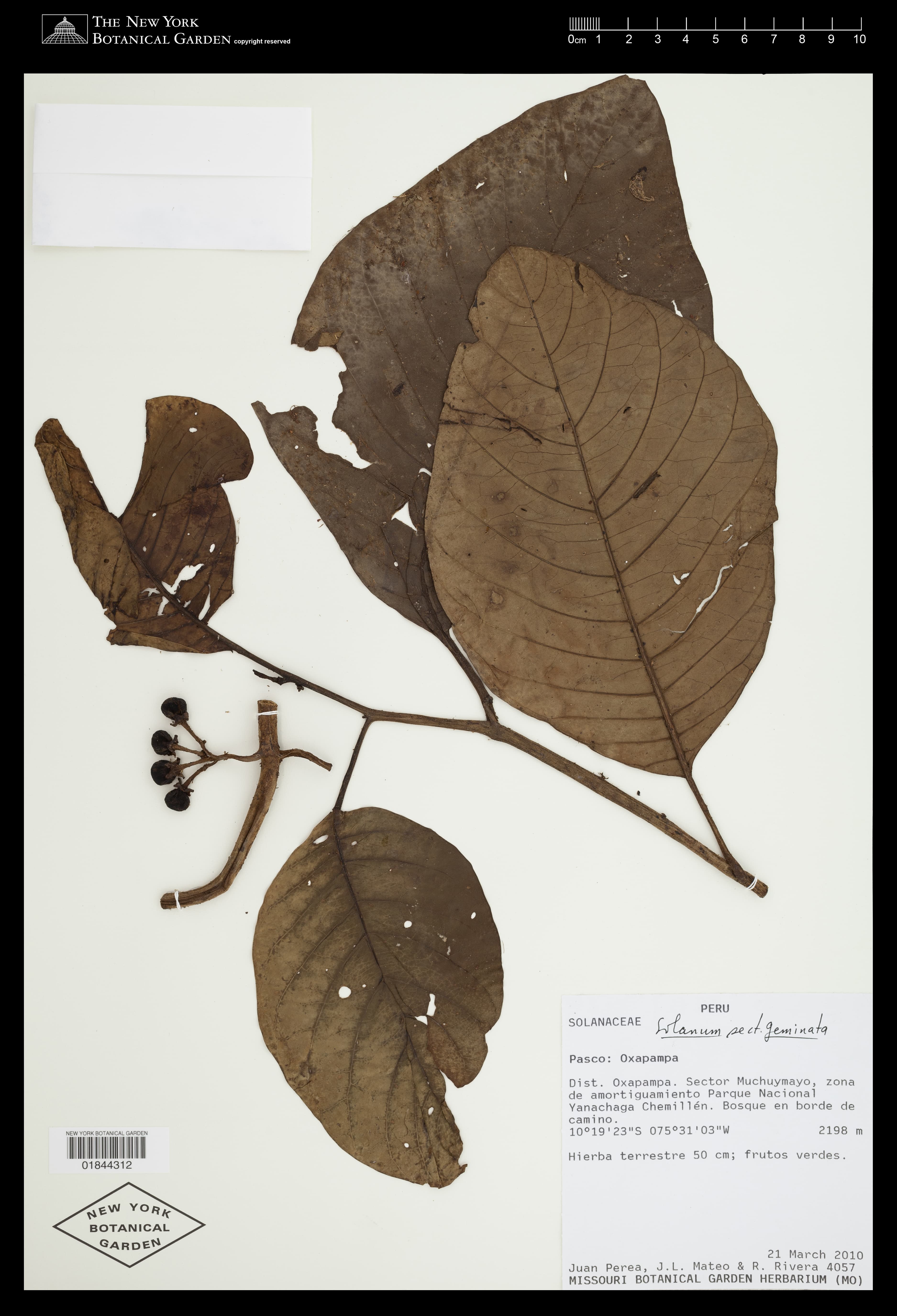
A shrub growing 2-2.5 meters tall, characterized by membranous leaves that are dark green on the upper surface and paler gray-green underneath. Its flowers are described as greenish-sordid white, with a pale green calyx and bracts, and a greenish-white corolla tube with spreading, whitish lobes.