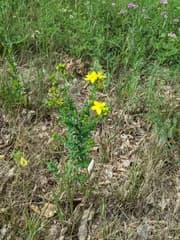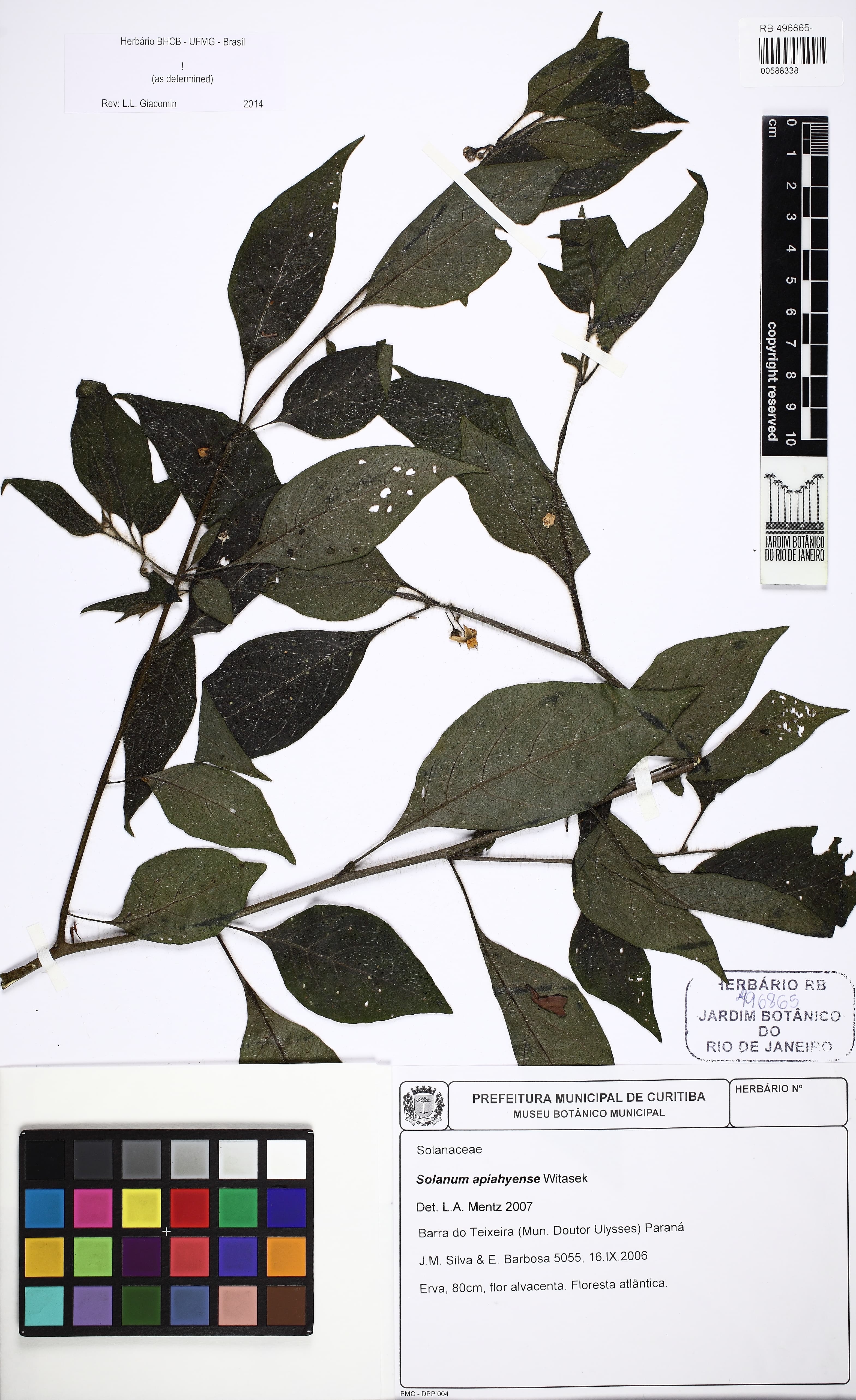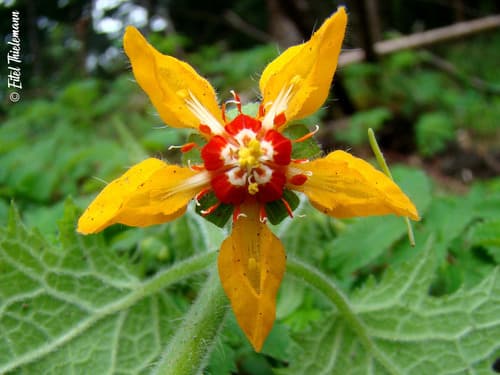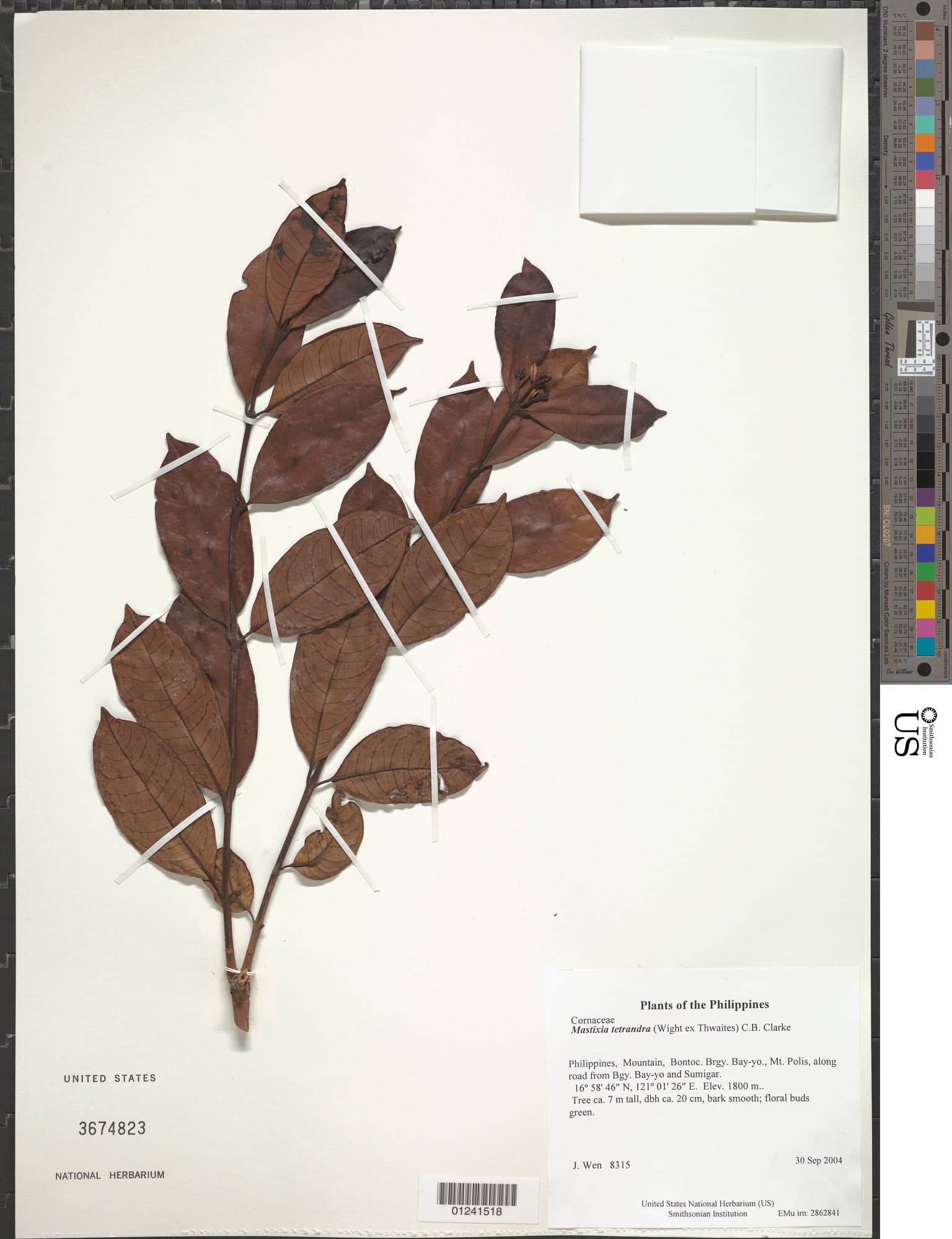
Cestrum cuspidatum
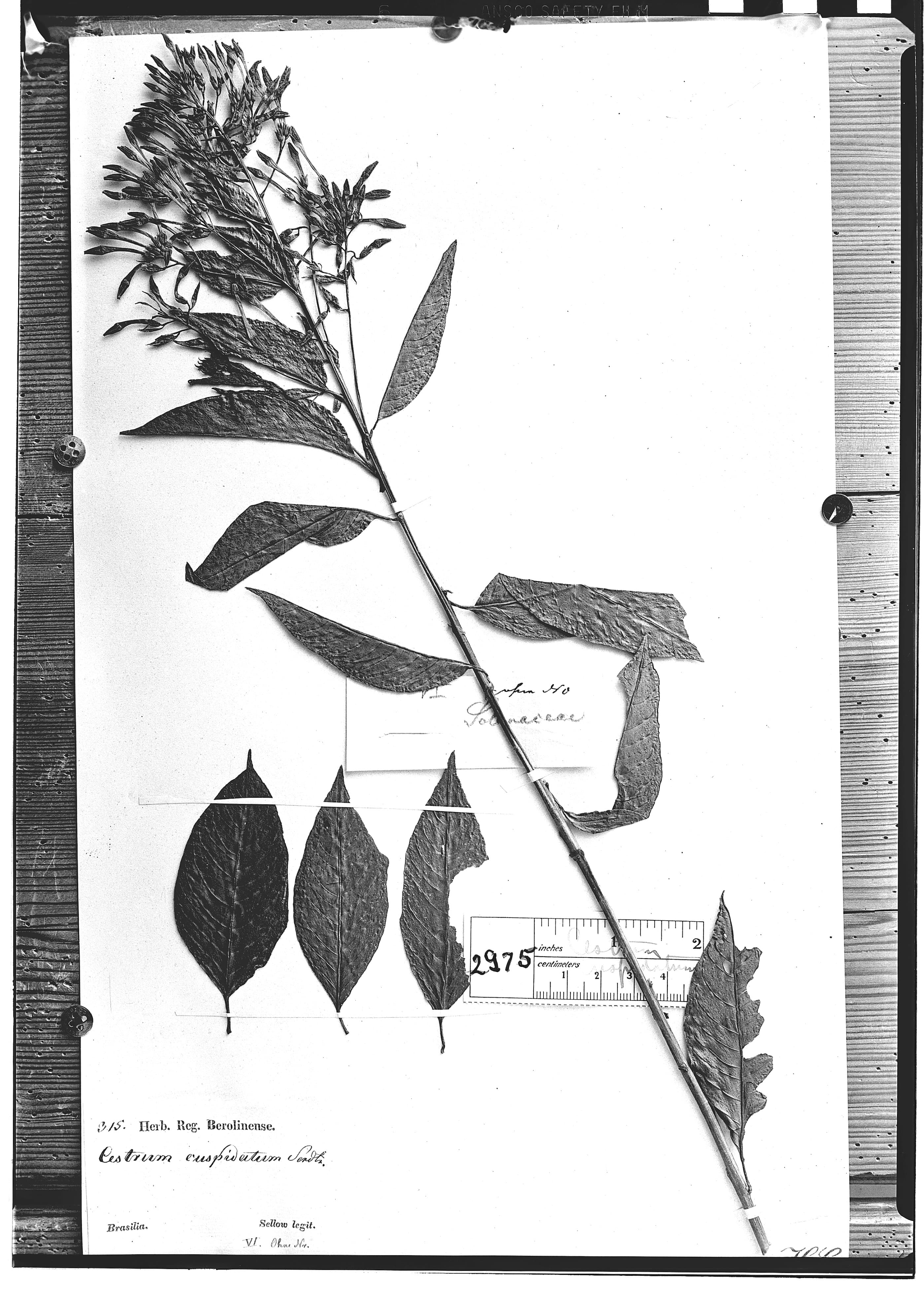
Image: F. Sellow (cc-by-nc)
NameCestrum cuspidatum
Scientific NameCestrum cuspidatum Sendtn.
Common NamesJasmim-do-mato, Jasmim-estrela
Plant FamilySolanaceae
Natural HabitatNative to tropical and subtropical regions of South America, particularly Brazil, where it grows in forests, forest margins, and disturbed areas.
Parts Usedleaf,flower,bark
Medicinal Actionsanti-inflammatory, analgesic, antimicrobial
Traditional UsesTraditionally, some Cestrum species, including potentially C. cuspidatum, have been used in folk medicine for their anti-inflammatory and pain-relieving properties, often applied externally for localized pain or skin conditions. Internal use is generally avoided or highly cautious due to the plant's known toxicity.
Active ConstituentsSteroidal saponins, Alkaloids, Flavonoids, Phenolic compounds
Preparation Methodsinfusion, decoction, poultice
Contraindications & WarningsHighly toxic, especially when ingested. Contains steroidal glycoalkaloids that can cause severe gastrointestinal upset, neurological symptoms, and cardiac issues. Avoid use by pregnant/breastfeeding women, children, and individuals with liver, kidney, or heart conditions.
Cultivation NotesThrives in tropical to subtropical climates with well-drained soil and prefers full sun to partial shade. It can be propagated from seeds or stem cuttings.
Raritycommon
Description
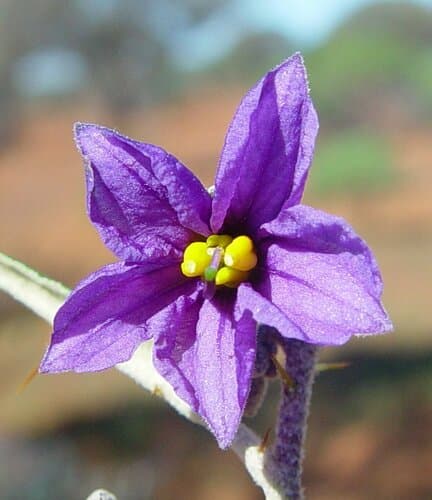
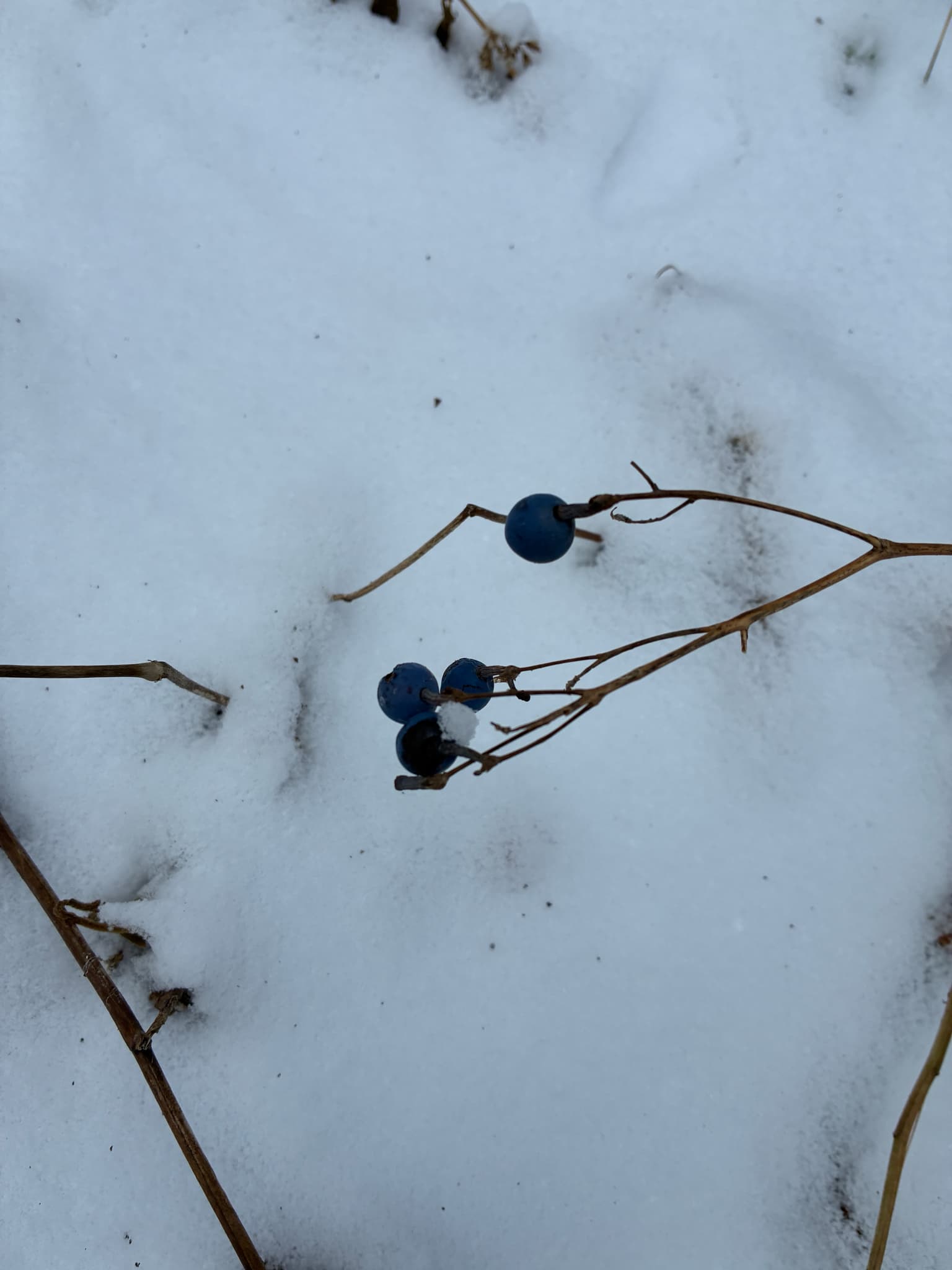
Cestrum cuspidatum is a shrub or small tree native to South America, characterized by simple, alternate leaves with a pointed apex. It produces clusters of tubular, often yellowish-green flowers in terminal inflorescences, followed by small berries.