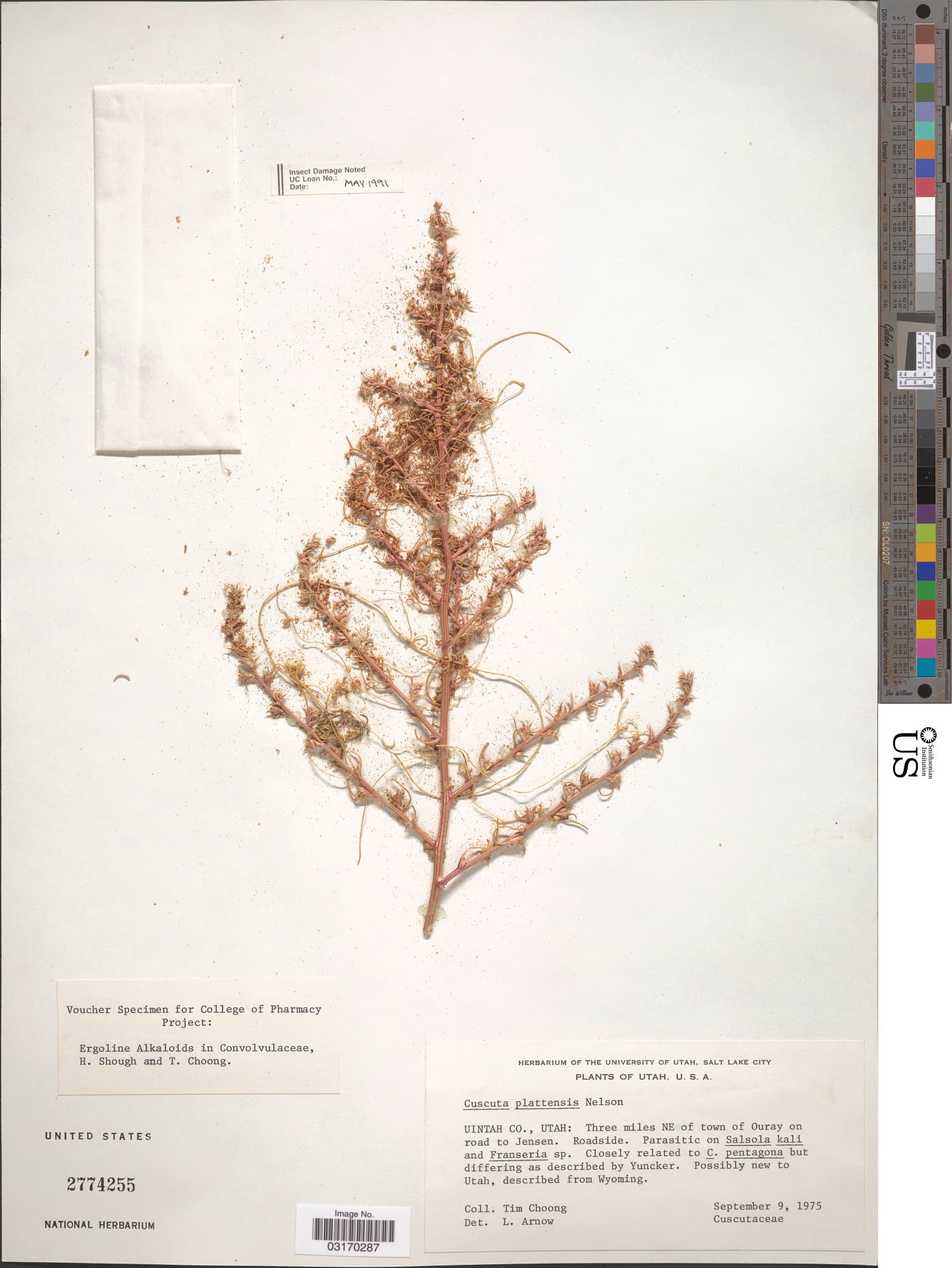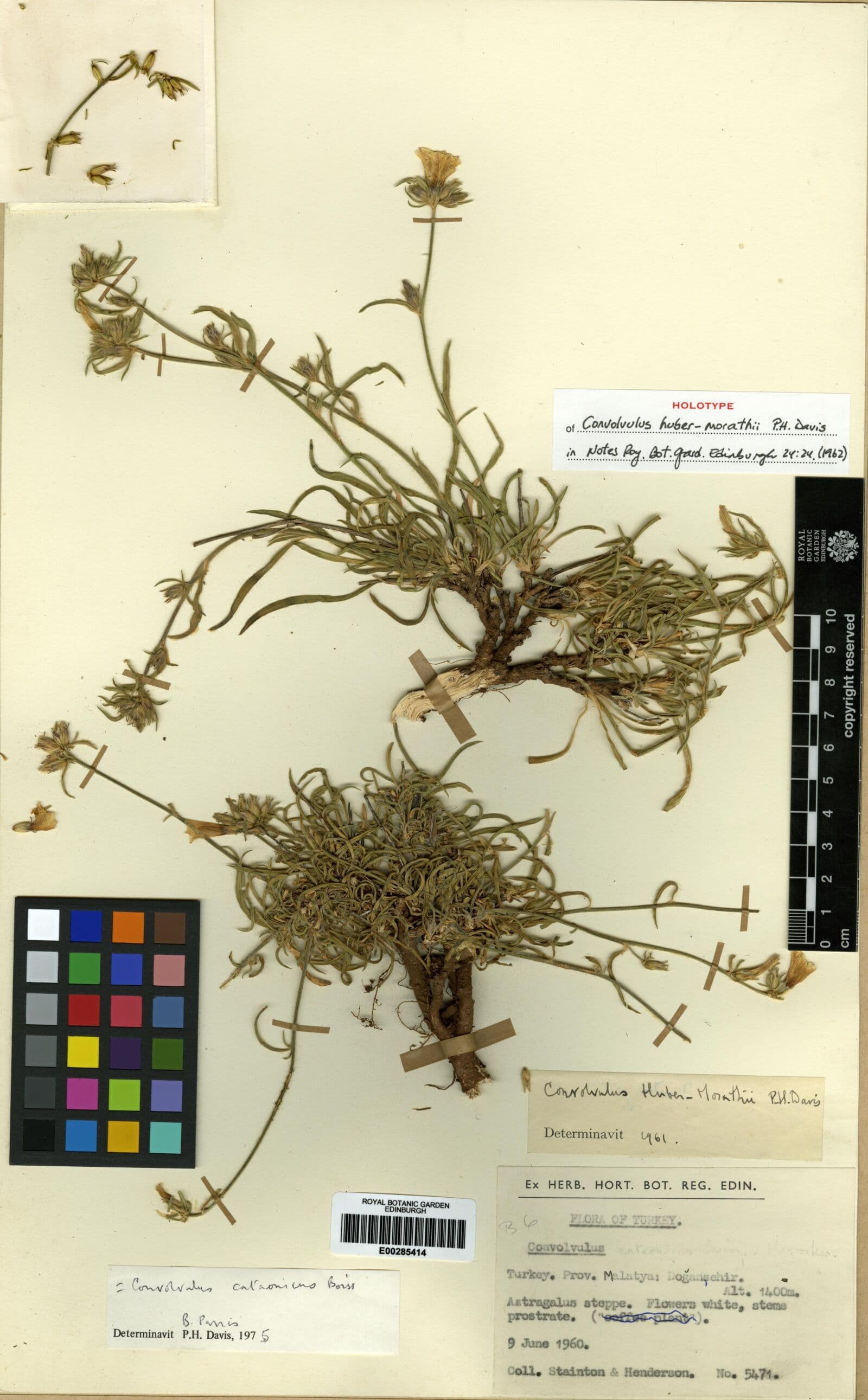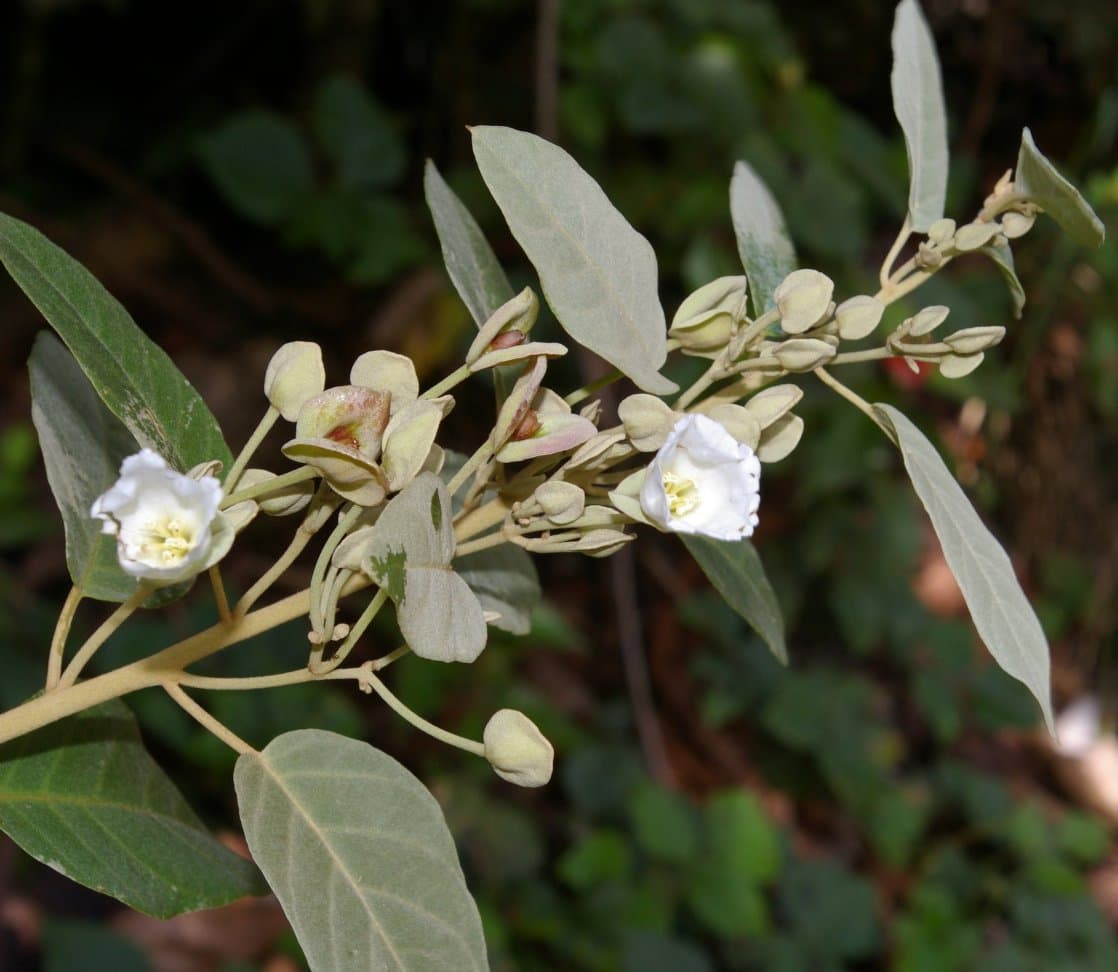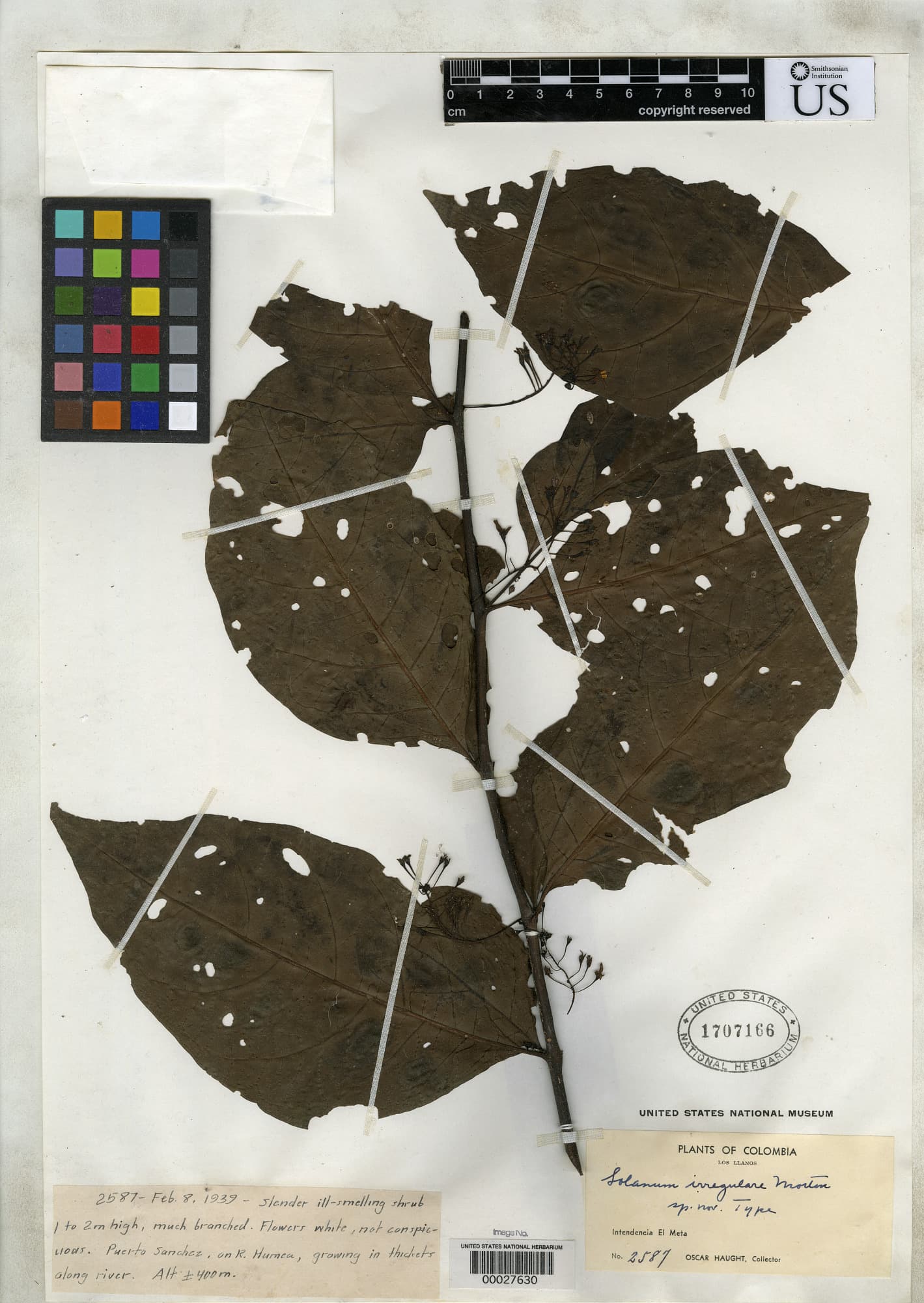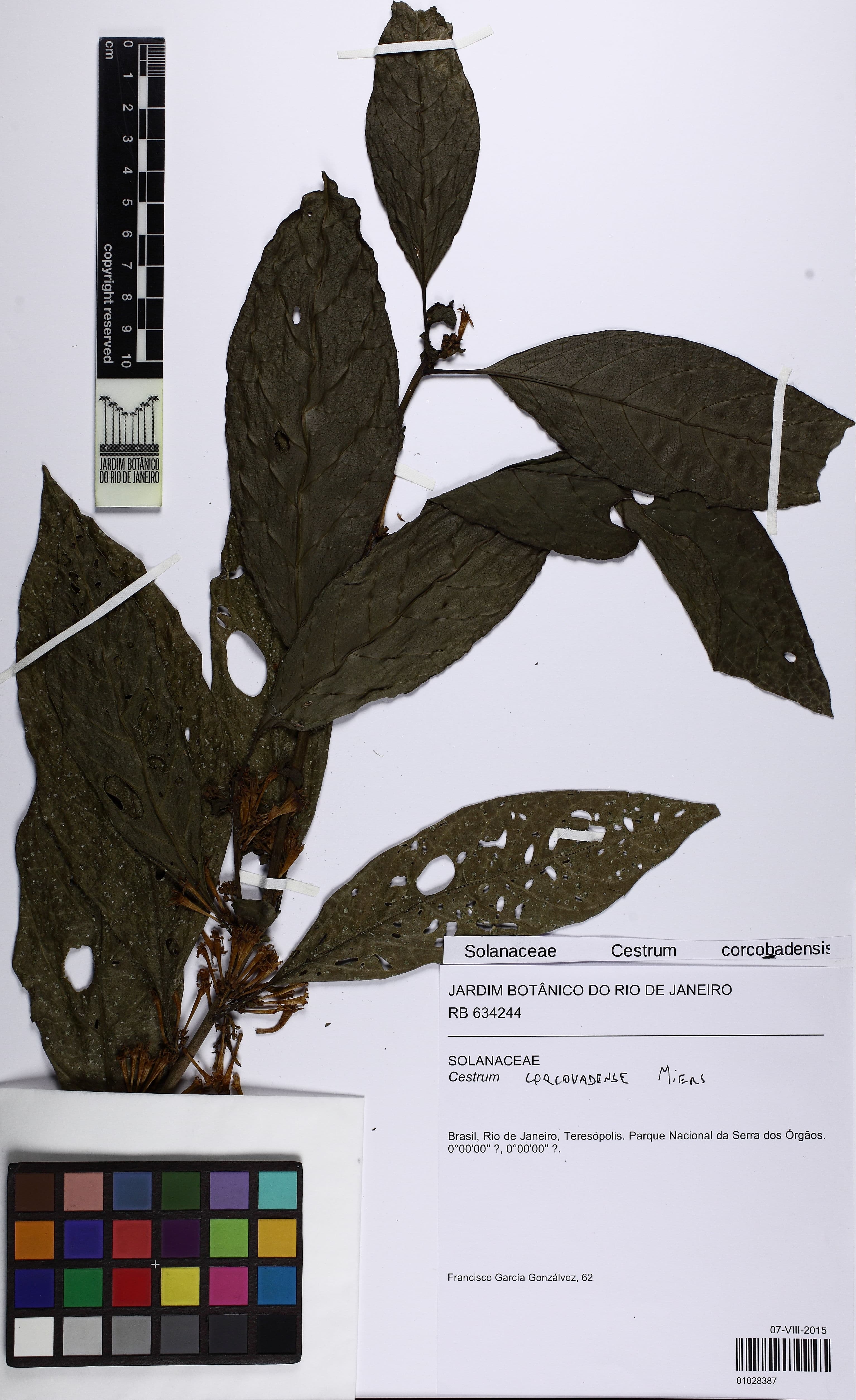
Cestrum corcovadense
Image: Francisco García Gonzálvez (cc-by)
NameCestrum corcovadense
Scientific NameCestrum corcovadense Miers
Common NamesCorcovado Jessamine, Brazilian Jessamine
Plant FamilySolanaceae
Natural HabitatNative to the Atlantic Forest biome of Brazil, specifically found in mountainous regions like the Parque Nacional da Serra dos Órgãos in Rio de Janeiro. It thrives in humid, subtropical environments.
Parts Usedleaf,flower
Medicinal Actionsanalgesic, anti-inflammatory
Traditional UsesWhile specific traditional uses for Cestrum corcovadense are poorly documented, other Cestrum species have been traditionally used in folk medicine for their anti-inflammatory and analgesic properties. These uses are often external or with extreme caution internally due to significant toxicity.
Active ConstituentsSteroidal glycoalkaloids, Saponins
Preparation Methodspoultice, decoction
Contraindications & WarningsAll parts of Cestrum corcovadense, like many Cestrum species, are considered highly toxic due to the presence of steroidal glycoalkaloids and saponins. Ingestion can cause severe gastrointestinal upset, neurological symptoms, and can be fatal. Not recommended for internal use without expert supervision.
Cultivation NotesPrefers subtropical to tropical climates with well-drained soil and partial to full sun. Requires consistent moisture but is susceptible to root rot in waterlogged conditions. Can be propagated by seeds or cuttings.
Rarityuncommon
Description
A shrub or small tree belonging to the nightshade family, characterized by simple, alternate leaves and clusters of tubular flowers. The specimen shows dried, ovate to lanceolate leaves with visible venation and remnants of inflorescences. It produces berries as fruit.