Convolvulus cataonicus
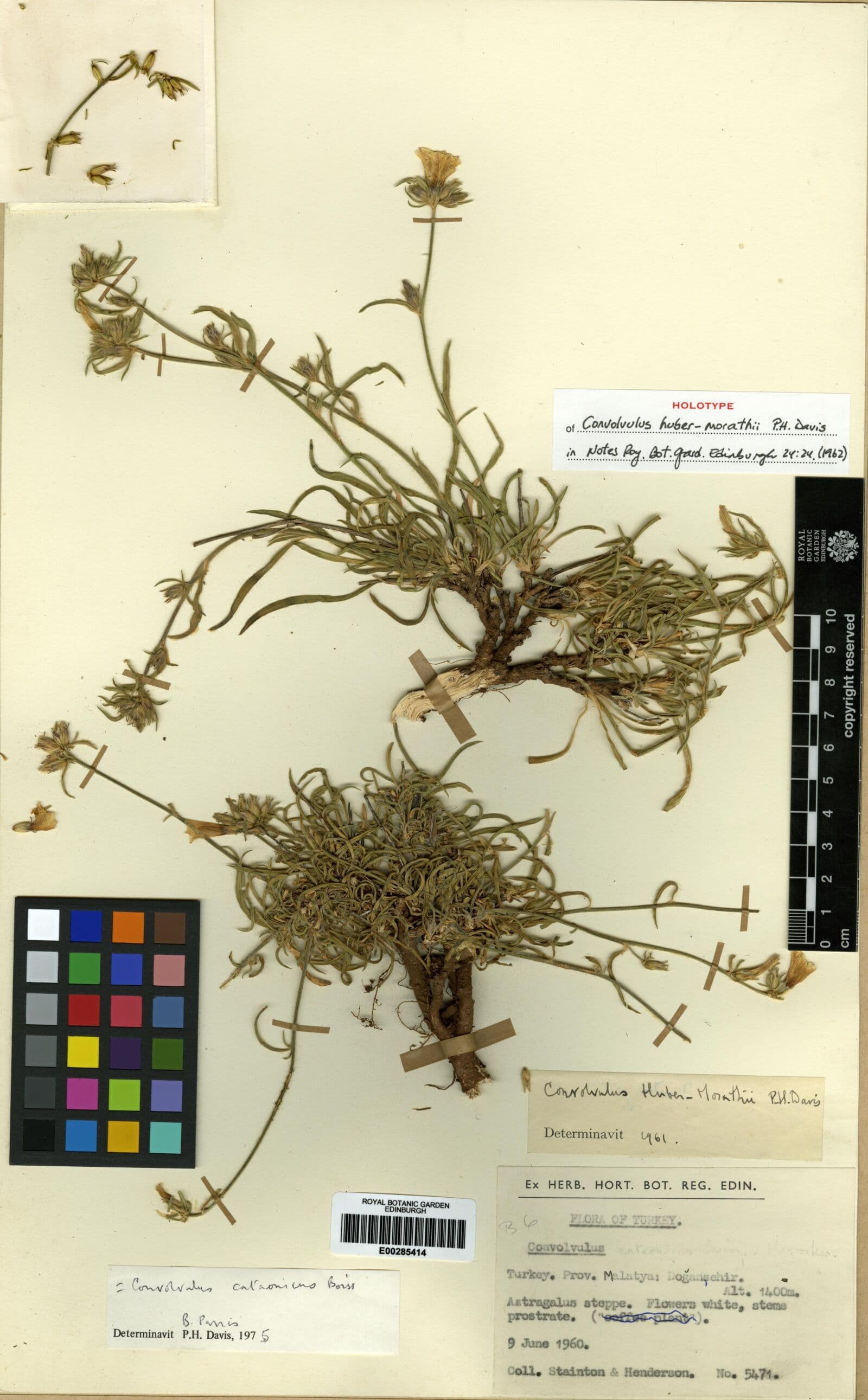
Image: Royal Botanic Garden Edinburgh (cc0)
NameConvolvulus cataonicus
Scientific NameConvolvulus cataonicus
Common NamesCataonian Bindweed
Plant FamilyConvolvulaceae
Natural HabitatNative to the Astragalus steppes of Turkey, specifically found in the Malatya province at altitudes around 1400 meters. It thrives in dry, well-drained, and often rocky or sandy soil conditions typical of high-altitude steppe environments.
Parts Usedwhole_plant
Medicinal Actionsantioxidant, anti-inflammatory
Traditional UsesSpecific traditional medicinal uses for Convolvulus cataonicus are not widely documented in ethnobotanical literature. However, other species within the Convolvulus genus have historically been used for their purgative properties, and sometimes for skin conditions or as diuretics.
Active Constituentsresin_glycosides, flavonoids, alkaloids
Preparation Methodsinfusion, decoction, powder
Contraindications & WarningsAs with many Convolvulus species, caution is advised due to potential strong purgative effects in some members of the genus, which can lead to gastrointestinal upset. Pregnant or nursing women and individuals with intestinal disorders should avoid use.
Cultivation NotesThis species prefers full sun exposure and well-drained, lean soils, mimicking its natural steppe habitat. It is likely drought-tolerant once established and would be suitable for xeriscaping or rock gardens in appropriate climates. Propagation is typically from seed.
Rarityrare
Description
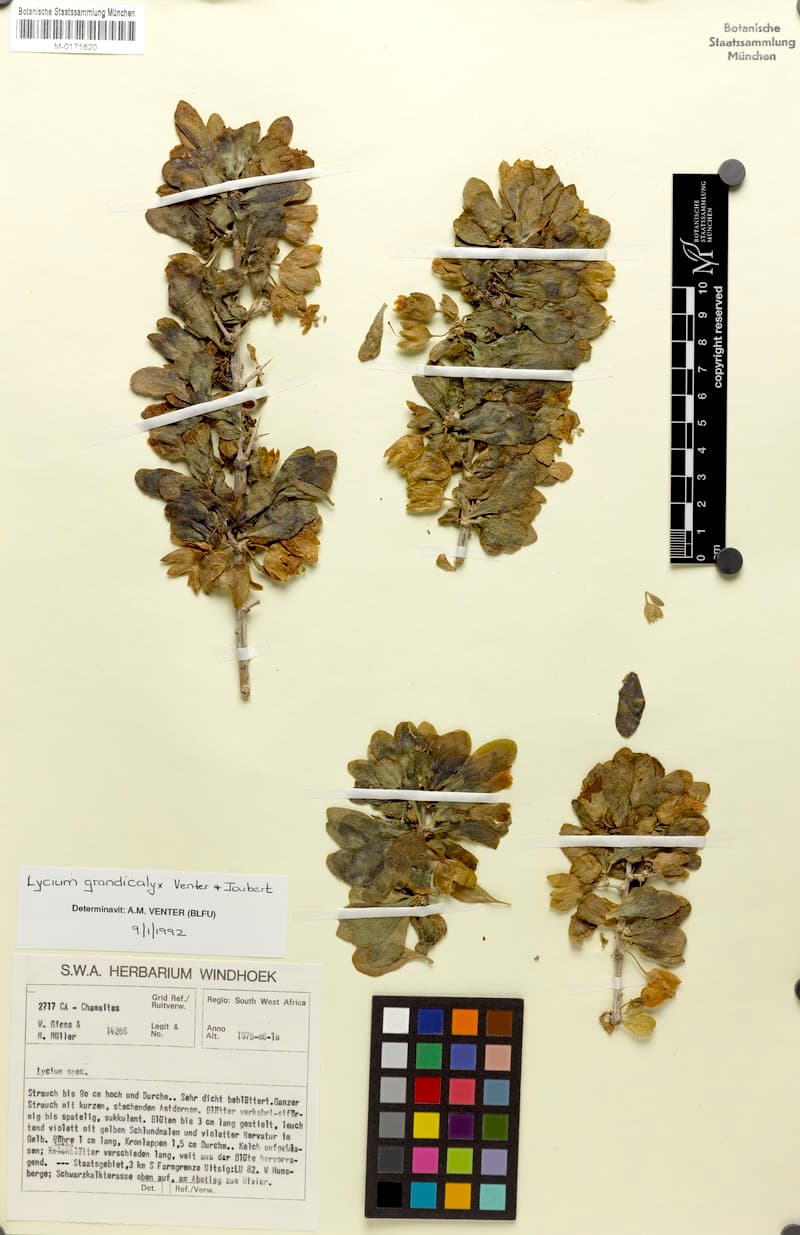
Convolvulus cataonicus is a prostrate, herbaceous perennial plant characterized by its wiry stems and linear to spatulate leaves. The herbarium specimen shows a low-growing habit with small, dried flowers, which are noted to be white in its natural state. It forms a mat-like growth, adapted to its specific habitat.