Solanum pseudoquina
NameSolanum pseudoquina
Scientific NameSolanum pseudoquina
Common NamesQuina-de-pobre, Falsa-quina, Quina-do-campo
Plant FamilySolanaceae
Natural HabitatNative to South America, particularly Brazil, where it is found in various biomes including Cerrado, Atlantic Forest, and Caatinga. It often grows in disturbed areas, forest edges, and open fields.
Parts Usedbark,leaf,root
Medicinal Actionsanalgesic, anti-inflammatory, antimicrobial, antioxidant
Traditional UsesTraditionally, Solanum pseudoquina has been used as a substitute for true quinine (from Cinchona species) to treat fevers, symptoms associated with malaria, and various inflammatory conditions. It is also employed for pain relief, digestive complaints, and as a general tonic in folk medicine.
Active ConstituentsSteroidal alkaloids (e.g., solasodine, solamargine), Flavonoids, Saponins, Phenolic compounds
Preparation Methodsinfusion, decoction, powder
Contraindications & WarningsDue to the presence of steroidal alkaloids, caution is advised, especially with high doses, which may cause gastrointestinal upset. It is generally not recommended for pregnant or breastfeeding women. Potential interactions with other medications, particularly those affecting the liver or central nervous system, should be considered.
Cultivation NotesThis plant prefers full sun to partial shade and is tolerant of various soil types, though it thrives in well-drained conditions. Once established, it exhibits good drought tolerance. Propagation can be achieved through seeds or stem cuttings.
Raritycommon
Description
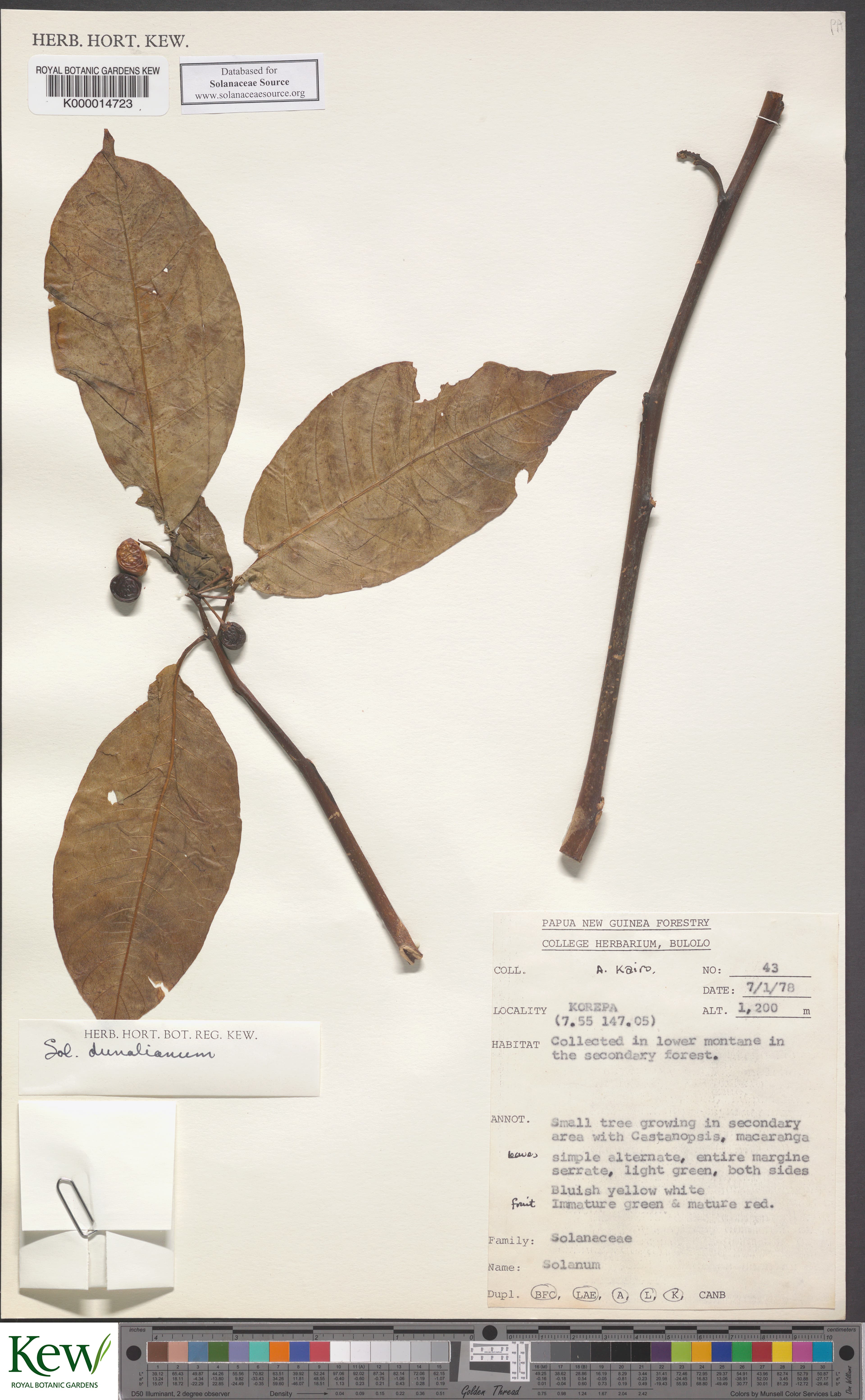
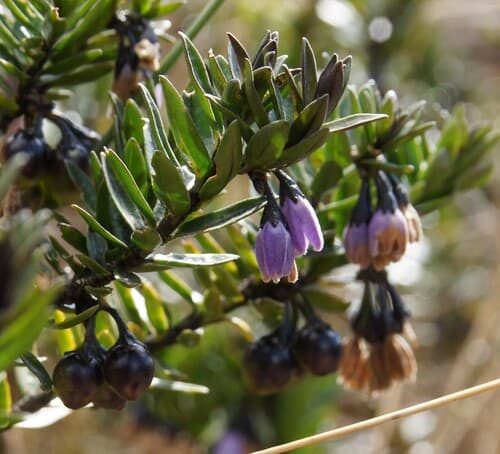
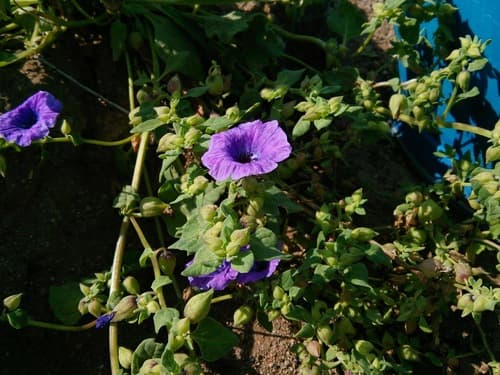
Solanum pseudoquina is a shrub or small tree, typically growing 1-5 meters tall, characterized by simple, alternate leaves. It produces clusters of star-shaped white flowers with five petals and prominent yellow anthers, typical of the Solanum genus. The plant later bears small, spherical berries that ripen to red or orange.