Caucasian Dogwood
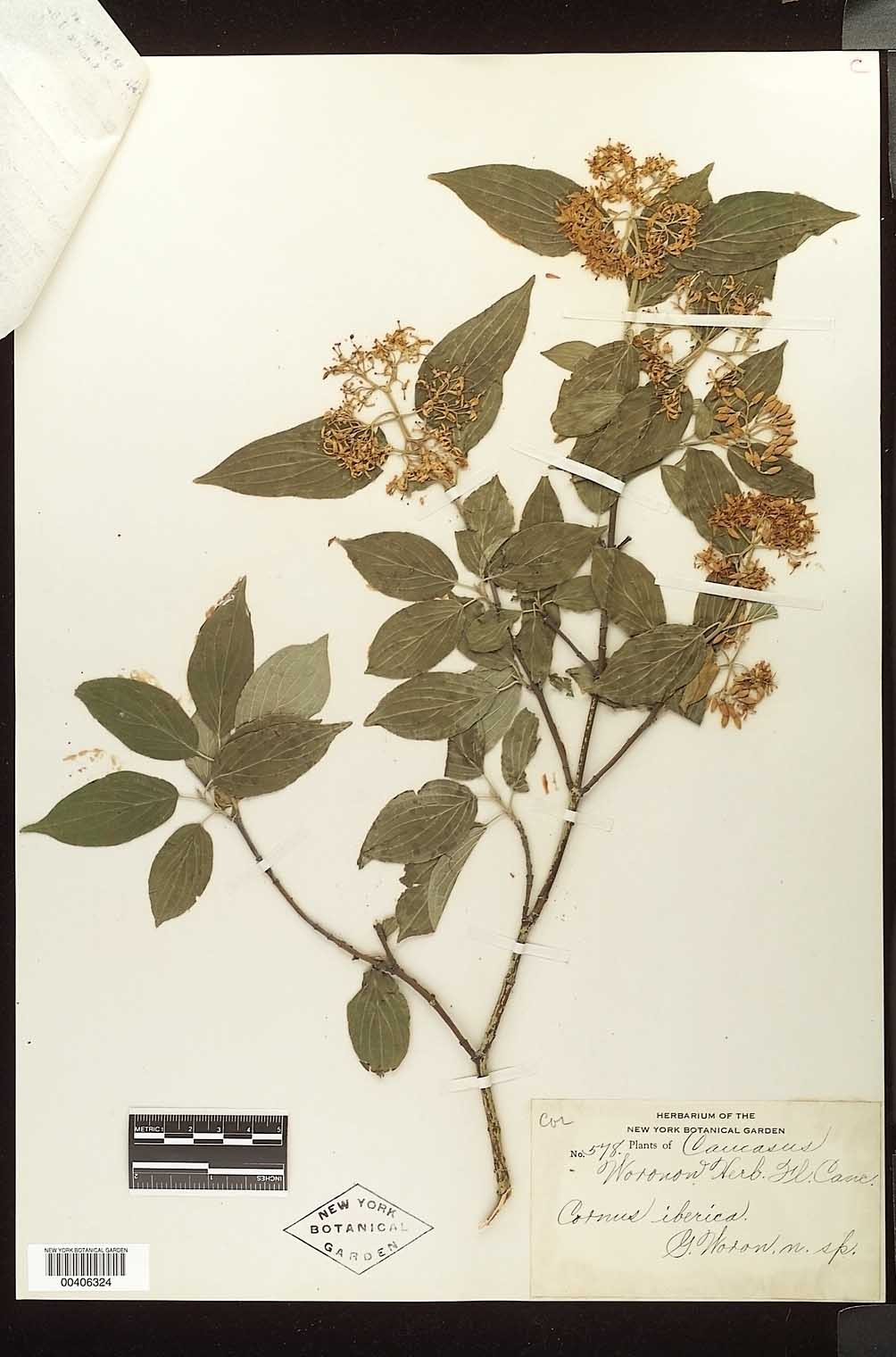
Image: The New York Botanical Garden (cc-by)
NameCaucasian Dogwood
Scientific NameCornus iberica
Common NamesCaucasian Dogwood, Iberian Dogwood
Plant FamilyCornaceae
Natural HabitatNative to the Caucasus region and parts of Turkey, Cornus iberica typically grows in woodlands, forest edges, and scrublands, preferring moist, well-drained soils.
Parts Usedbark,leaf,fruit
Medicinal Actionsastringent, anti-inflammatory
Traditional UsesTraditionally, various Cornus species, including those from the Caucasus, have been used for their astringent properties to treat fevers, diarrhea, and dysentery. The bark and leaves were also employed as a general tonic and for their anti-inflammatory effects.
Active Constituentstannins, iridoids, flavonoids
Preparation Methodsdecoction, infusion, tincture
Contraindications & WarningsDue to high tannin content, excessive consumption may cause gastrointestinal upset in sensitive individuals. Consult a healthcare professional before use, especially during pregnancy or lactation.
Cultivation NotesThis species prefers full sun to partial shade and thrives in moist, well-drained soil rich in organic matter. It is generally hardy and can tolerate a range of soil types.
Rarityuncommon
Description
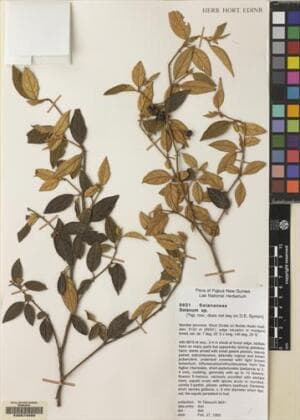
Cornus iberica is a deciduous shrub or small tree characterized by its opposite, ovate to elliptic leaves with prominent arcuate venation. It produces clusters of small, yellowish flowers in terminal cymes, which develop into drupaceous fruits. The specimen shows dried leaves and flower clusters typical of the species.