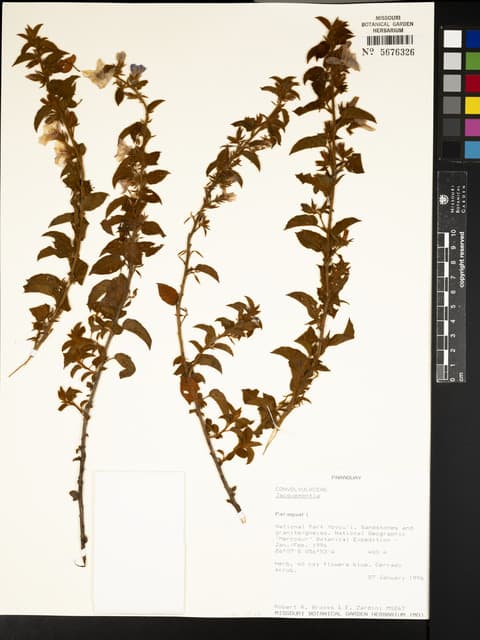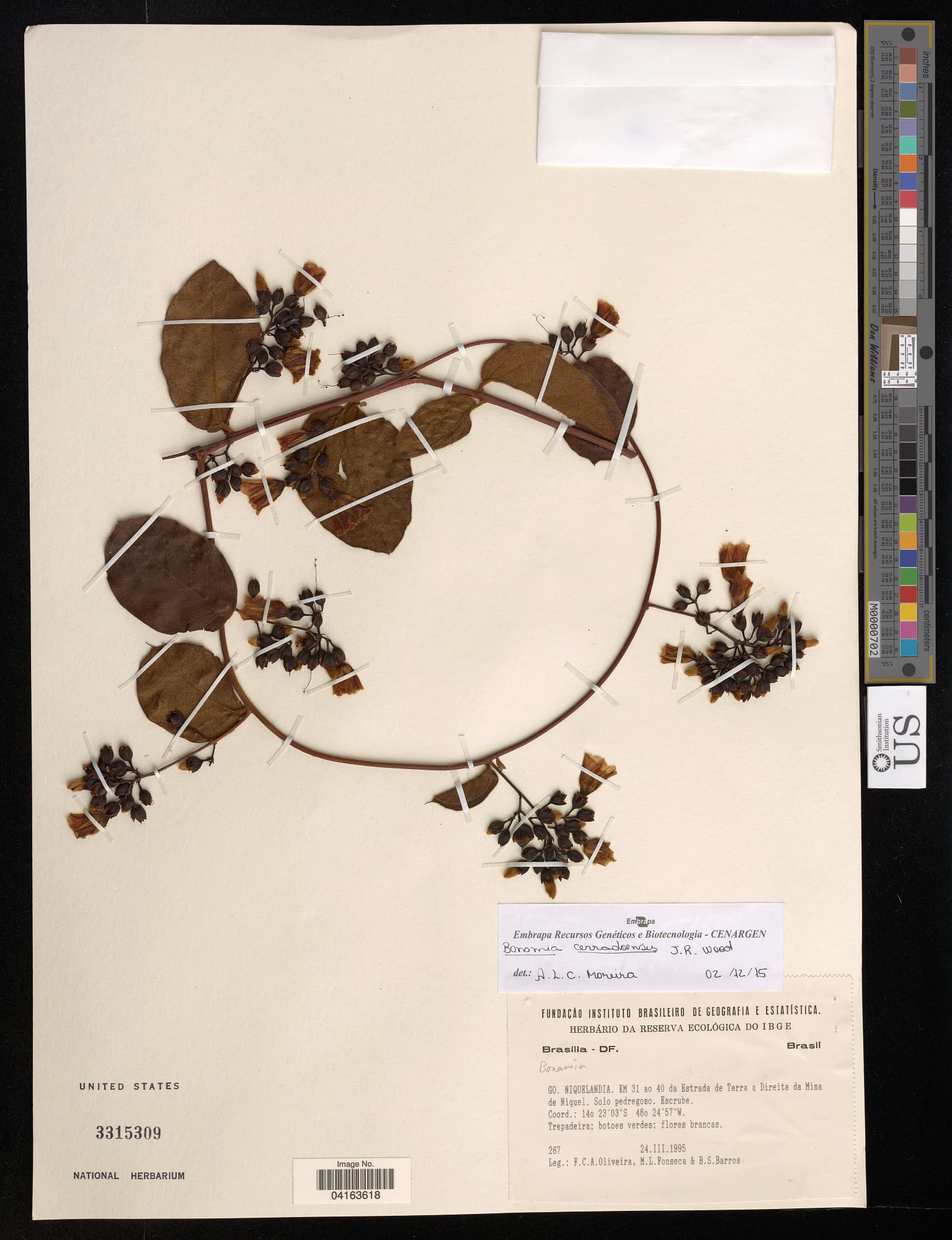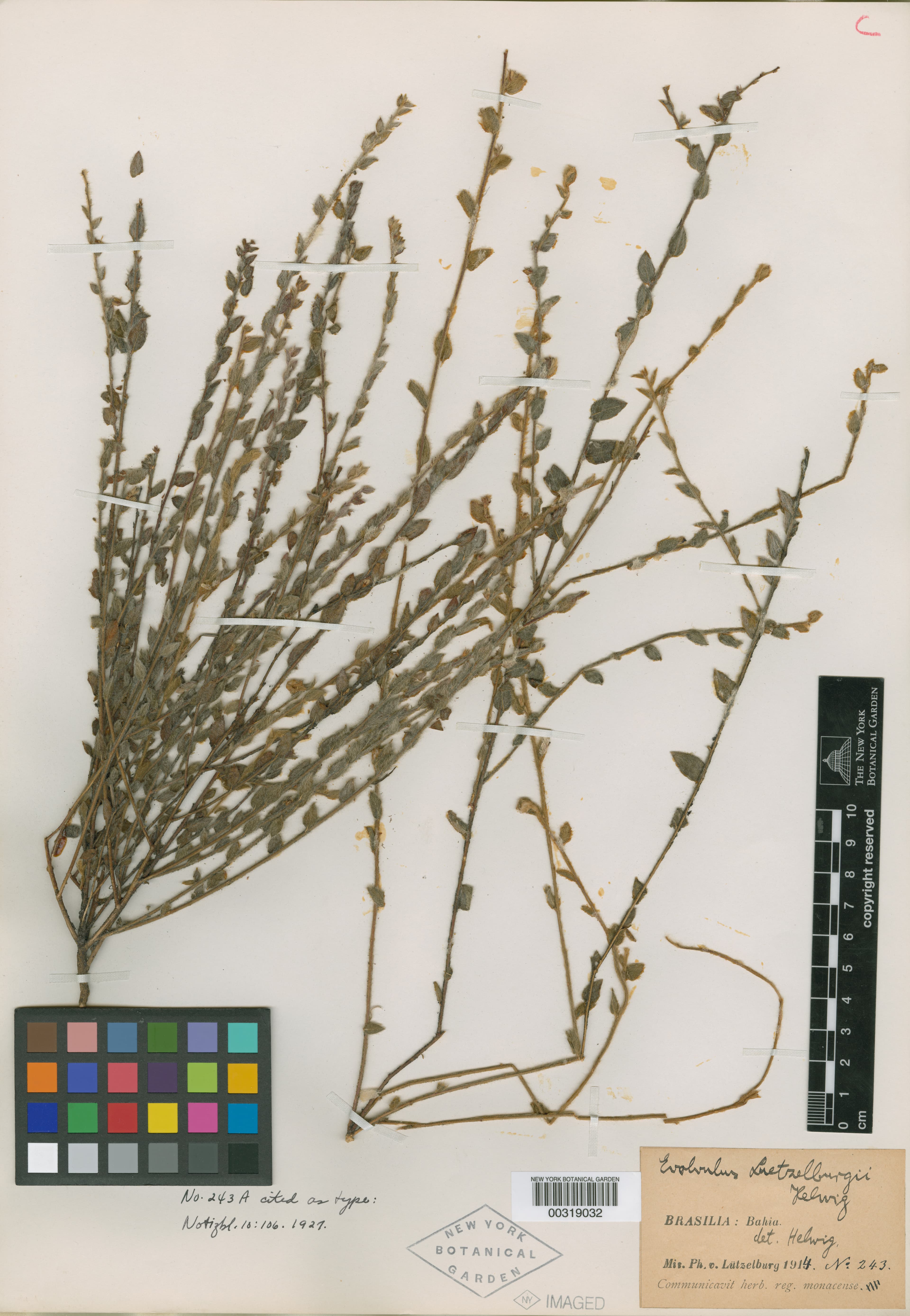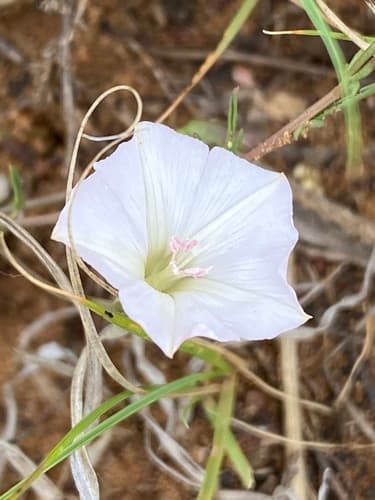
Solanum papuanum
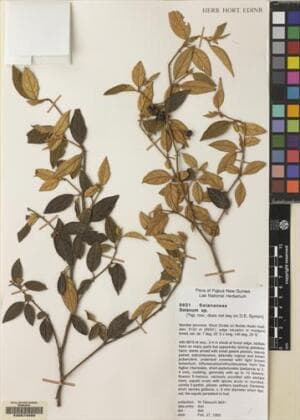
Image: Takeuchi, Wayne N. (cc0)
NameSolanum papuanum
Scientific NameSolanum papuanum
Plant FamilySolanaceae
Natural HabitatNative to Papua New Guinea, found in forest edges and secondary forests, often along tracks, at altitudes ranging from 1000 to 1200 meters.
Parts Usedleaf,fruit
Medicinal Actionsanti-inflammatory, analgesic
Traditional UsesSpecific traditional medicinal uses for Solanum papuanum are not detailed in the provided information. However, other species within the Solanum genus are traditionally used for various ailments, including pain relief, reducing inflammation, and treating skin conditions, often with careful consideration of their alkaloid content and potential toxicity.
Active Constituentssteroidal glycoalkaloids, alkaloids
Preparation Methodsinfusion, decoction, poultice
Contraindications & WarningsAs with many Solanum species, Solanum papuanum likely contains steroidal glycoalkaloids which can be toxic. Ingestion of plant parts may cause gastrointestinal upset, neurological symptoms, or other adverse effects. Use is contraindicated in pregnancy, lactation, and young children, and should be avoided without expert guidance.
Cultivation NotesThis species thrives in tropical or subtropical climates, preferring conditions found in forest edges or secondary forests. It likely requires well-drained soil and may tolerate partial shade, consistent with its natural habitat at moderate altitudes.
Rarityuncommon
Description
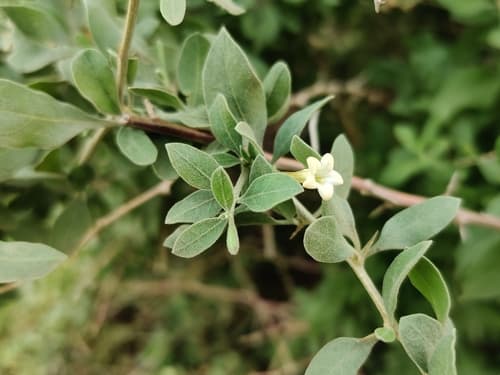
A woody shrub or small tree, typically found in forest edges. It features simple, alternate, elliptic to ovate leaves with entire margins and produces small, dark, globose fruits, 5-6 mm in diameter.