Solanum tuerckheimii
NameSolanum tuerckheimii
Scientific NameSolanum tuerckheimii
Plant FamilySolanaceae
Natural HabitatNative to moist to wet montane and premontane forests of Central America, including Guatemala, Honduras, El Salvador, and Nicaragua, typically found at elevations between 500 and 2000 meters.
Parts Usedleaf,fruit
Medicinal Actionsanti-inflammatory, antimicrobial, analgesic
Traditional UsesWhile specific traditional uses for Solanum tuerckheimii are not widely documented, many Solanum species are traditionally used externally for skin conditions, inflammation, and pain relief. Internal use is often highly cautioned due to the presence of toxic glycoalkaloids, but some species are used in very small, controlled doses for fevers or as sedatives.
Active Constituentssteroidal glycoalkaloids, solasodine, solanine
Preparation Methodspoultice, decoction, tincture
Contraindications & WarningsAll parts of the plant, especially unripe fruits and leaves, contain toxic steroidal glycoalkaloids which can cause severe gastrointestinal upset, neurological symptoms, and can be fatal if ingested in large quantities. Avoid use by pregnant or nursing women, children, and individuals with liver or kidney conditions. Consult a qualified practitioner before any use.
Cultivation NotesPrefers tropical to subtropical climates with moist, well-drained soil and can tolerate partial shade to full sun. It can be propagated from seeds.
Rarityuncommon
Description
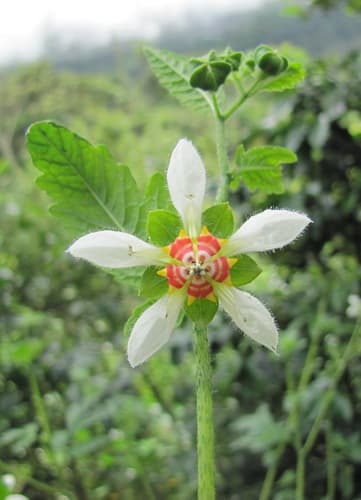
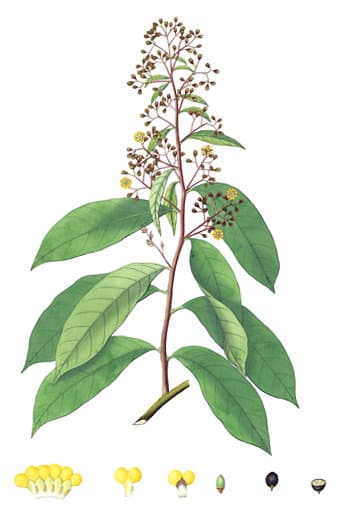
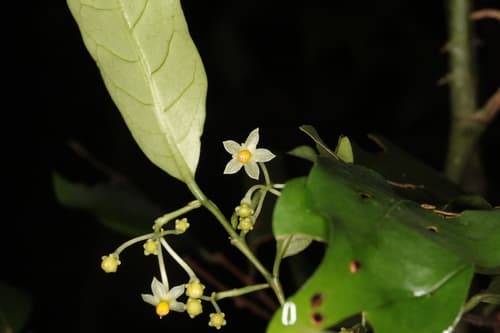
This plant is a shrub or small tree characterized by simple, alternate, ovate to elliptic leaves with prominent venation. It produces small, star-shaped white to pale cream flowers with five petals and a distinctive cone of yellow anthers, arranged in cymose inflorescences. The fruits develop into small, spherical green berries.