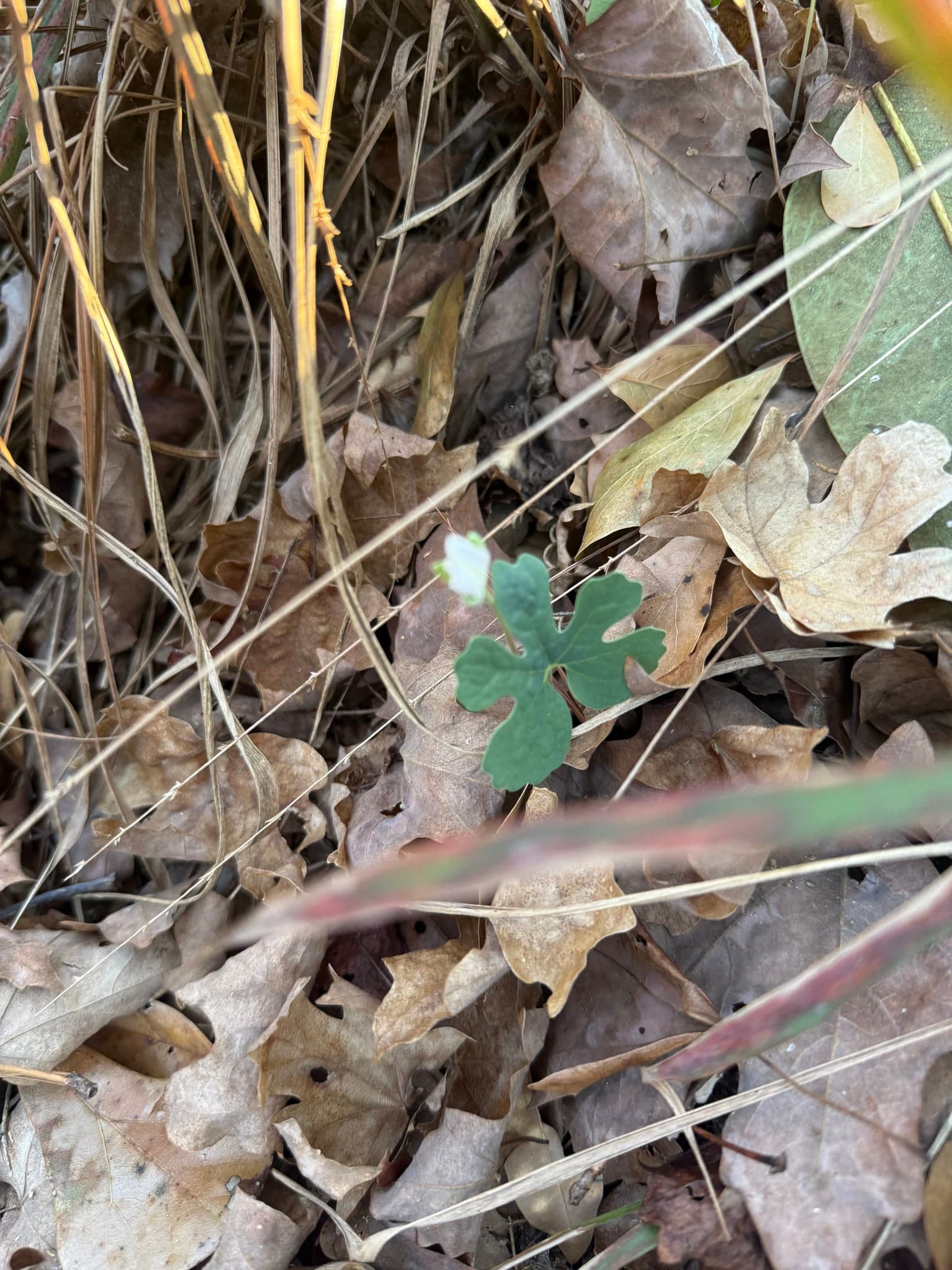
Bloodroot
Image: Tom Groves (cc-by-nc)
NameBloodroot
Scientific NameSanguinaria canadensis
Common NamesBloodroot, Red Puccoon, Tetterwort, Indian Paint
Plant FamilyPapaveraceae
Natural HabitatNative to rich, moist deciduous woodlands, floodplains, and forest edges in eastern North America. It prefers partial to full shade and well-drained, humus-rich soil.
Parts Usedroot
Medicinal Actionsantimicrobial, anti-inflammatory, expectorant, astringent
Traditional UsesTraditionally, Native American tribes used bloodroot for various ailments, including as an emetic, expectorant for respiratory issues, and a topical treatment for skin conditions like warts and fungal infections. The red sap was also used as a dye and for ceremonial body paint. Due to its potent and toxic nature, internal use is now largely discouraged.
Active ConstituentsSanguinarine, Chelerythrine, Protopine, Berberine
Preparation Methodstincture, poultice, powder
Contraindications & WarningsHighly toxic if ingested internally; can cause severe gastrointestinal upset, vomiting, and cardiac depression. Not recommended for internal use due to its toxicity and potential for severe side effects. Topical application can cause skin irritation, burning, and tissue necrosis (escharotic effect). Contraindicated in pregnancy, lactation, and for children. Avoid contact with eyes and mucous membranes.
Cultivation NotesPrefers moist, well-drained, humus-rich soil in partial to full shade. Propagates by seed or division of rhizomes in late summer or early fall. Requires a woodland garden setting to thrive.
Raritycommon
Description
Bloodroot is a perennial herbaceous plant native to eastern North America, known for its distinctive white flowers that emerge in early spring. Its single, deeply lobed leaf wraps around the flower stalk as it emerges, unfurling after the bloom. The rhizome, when cut, exudes a reddish-orange sap, giving the plant its common name.