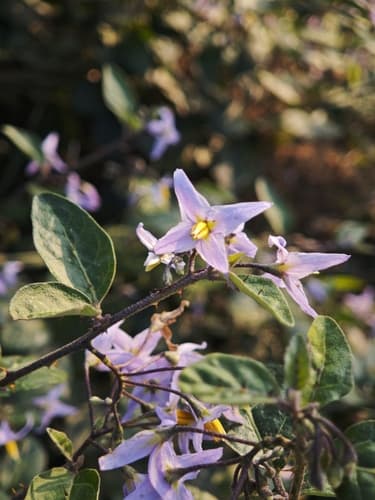
Cuscuta liliputana
NameCuscuta liliputana
Scientific NameCuscuta liliputana
Common NamesLiliputana Dodder, Dodder
Plant FamilyConvolvulaceae
Natural HabitatAs a parasitic plant, it requires a host and is typically found in disturbed areas, fields, and natural ecosystems, often in tropical or subtropical regions where its specific host plants thrive.
Parts Usedwhole_plant,seed
Medicinal Actionsadaptogen, anti-inflammatory, antimicrobial, antioxidant, diuretic
Traditional UsesTraditionally, Cuscuta species have been used to support kidney and liver function, improve vision, strengthen bones, and treat impotence. It is also employed for various skin conditions and as a general tonic to enhance vitality.
Active ConstituentsFlavonoids, Lignans, Polysaccharides, Alkaloids
Preparation Methodsinfusion, decoction, tincture, powder
Contraindications & WarningsContraindicated during pregnancy and lactation. Caution is advised for individuals with spleen deficiency or those taking blood-thinning medications. Due to its parasitic nature, potential interactions with compounds from its host plant should be considered.
Cultivation NotesCuscuta liliputana is a parasitic plant that cannot be cultivated independently; it requires a suitable host plant for germination and growth. Intentional cultivation for medicinal purposes is generally not practiced, as it is often considered an agricultural weed.
Rarityuncommon
Description
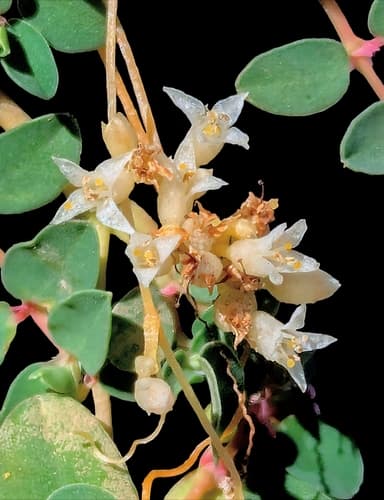
Cuscuta liliputana is a parasitic annual plant characterized by its slender, leafless, yellowish-orange stems that twine around host plants. It produces clusters of small, whitish, bell-shaped flowers and small, spherical fruits.