Cuscuta friesii
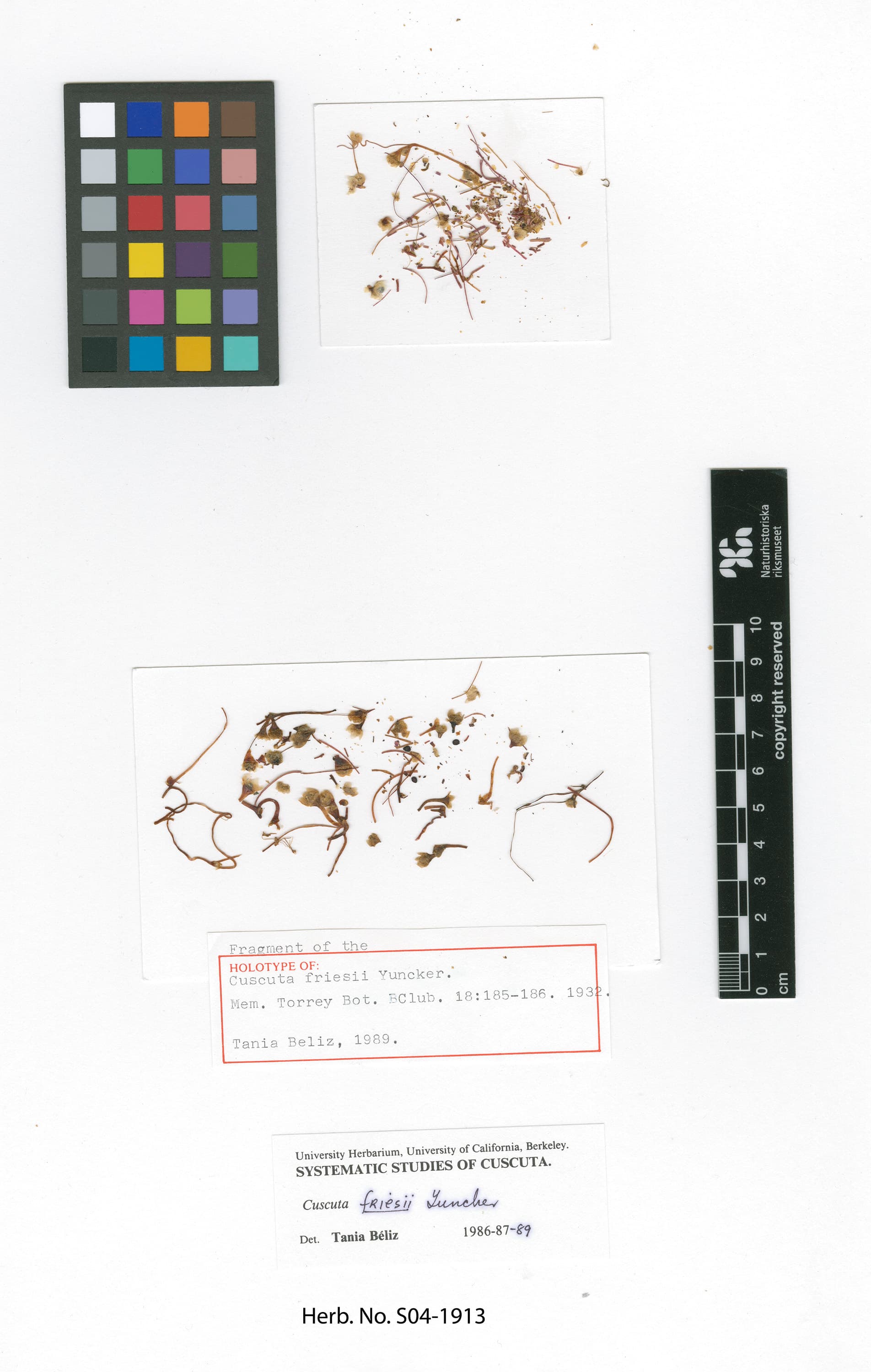
Image: Gunilla Dahlerus Lehman (S) (cc-by)
NameCuscuta friesii
Scientific NameCuscuta friesii
Common NamesDodder, Fries' Dodder
Plant FamilyConvolvulaceae
Natural HabitatObligate parasite found on various herbaceous and woody host plants, native to South America, particularly Argentina, Bolivia, and Peru, in temperate and subtropical regions.
Parts Usedwhole_plant,seed
Medicinal Actionsadaptogen, antioxidant, diuretic, anti-inflammatory
Traditional UsesWhile specific traditional uses for Cuscuta friesii are not widely documented, other Cuscuta species (like C. chinensis) are traditionally used in Chinese medicine to tonify kidney and liver, improve vision, and treat conditions like impotence, frequent urination, and lower back pain.
Active ConstituentsFlavonoids, Lignans, Polysaccharides, Coumarins
Preparation Methodsinfusion, decoction, powder, tincture
Contraindications & WarningsNot recommended during pregnancy or in cases of excess heat or constipation. May interact with blood-thinning medications or hormonal therapies.
Cultivation NotesAs an obligate parasitic plant, Cuscuta friesii cannot be cultivated independently. It requires a suitable host plant to grow and extract nutrients.
Rarityuncommon
Description
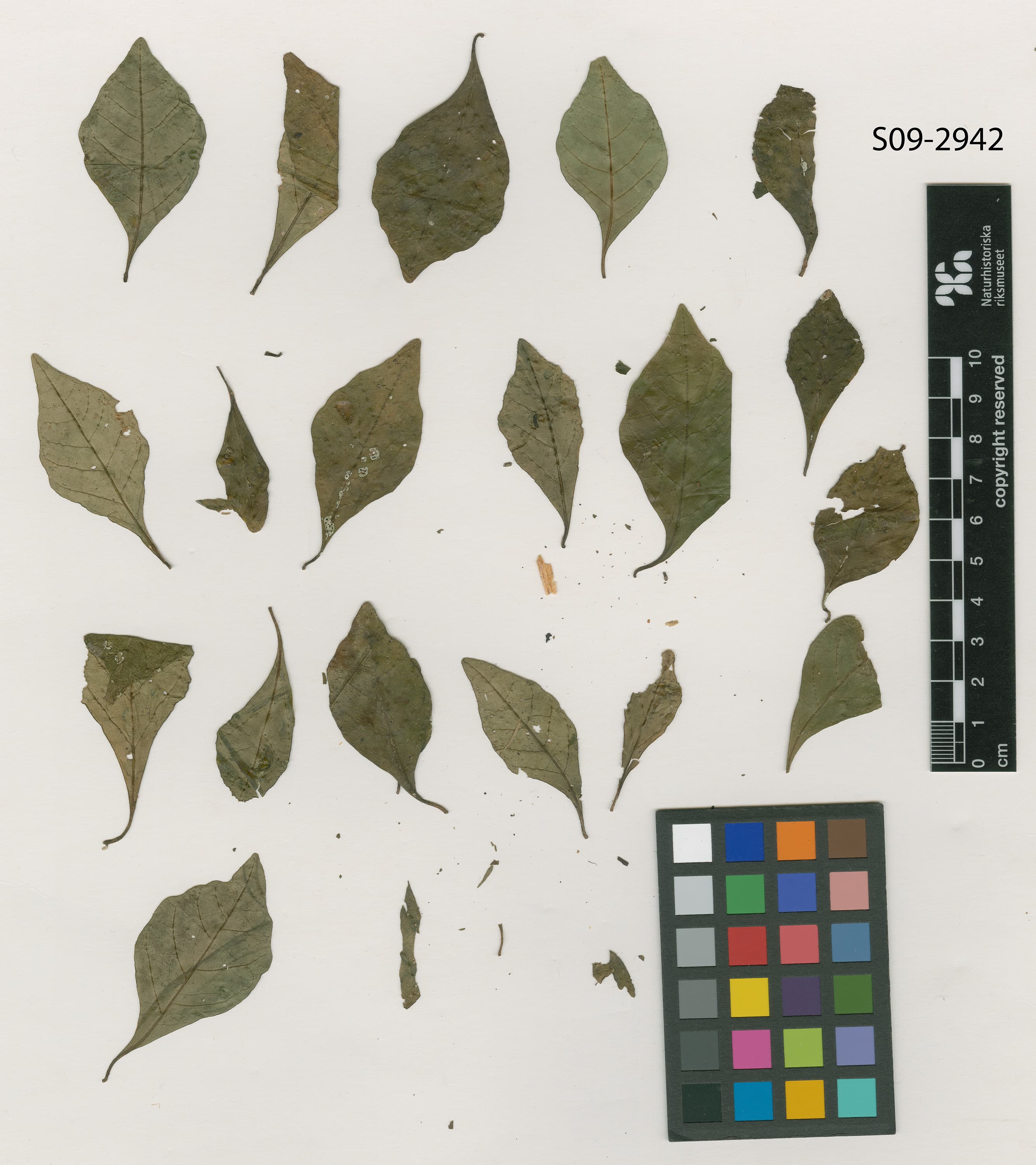
Cuscuta friesii is an obligate parasitic annual plant, characterized by its slender, leafless, thread-like stems that twine around host plants. It produces small, clustered flowers and fruits, appearing yellowish to reddish-brown when dried, as seen in the specimen.