Capsicum caatingae
NameCapsicum caatingae
Scientific NameCapsicum caatingae
Common NamesCaatinga Pepper
Plant FamilySolanaceae
Natural HabitatEndemic to the Caatinga biome in northeastern Brazil, particularly in Bahia state. It thrives in dry, deciduous forests and often grows on rocky soils, adapted to arid and semi-arid conditions.
Parts Usedfruit
Medicinal Actionsanalgesic, anti-inflammatory, antioxidant, antimicrobial
Traditional UsesWhile specific traditional medicinal uses for *Capsicum caatingae* are not widely documented due to its relatively recent scientific description, other *Capsicum* species are traditionally used for their pain-relieving properties (topically), to stimulate circulation, aid digestion, and as a counter-irritant. The fruits, like other peppers, are likely consumed for their flavor and potential health benefits.
Active ConstituentsCapsaicinoids, Capsaicin, Dihydrocapsaicin
Preparation Methodspowder, tincture, poultice
Contraindications & WarningsMay cause skin irritation or a burning sensation upon topical application. Ingestion of large quantities can lead to gastrointestinal upset. Should be used with caution by individuals on blood-thinning medications due to potential interactions.
Cultivation NotesRequires warm, tropical or subtropical climates with full sun exposure. Prefers well-drained soil and is relatively drought-tolerant once established, reflecting its native Caatinga habitat. Can be grown from seed.
Rarityuncommon
Description
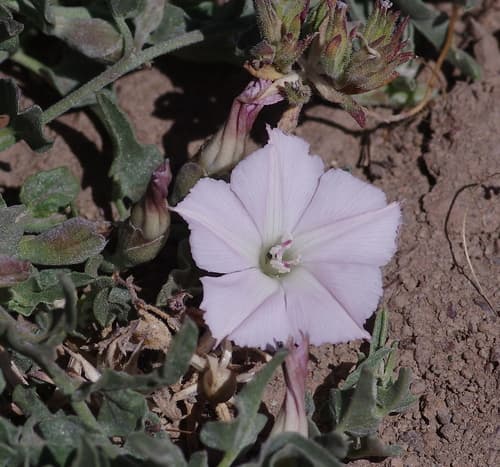
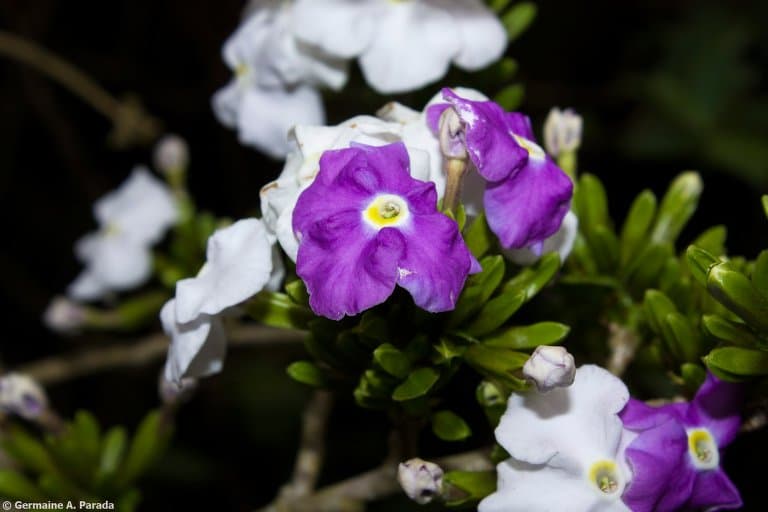
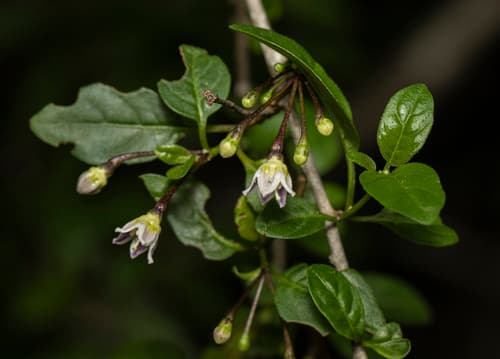
Capsicum caatingae is a shrub or subshrub, typically 0.5-2 meters tall, characterized by its glabrous stems and ovate to elliptic leaves. It produces small, pendulous flowers with white to pale violet petals, often featuring a darker purple throat, and develops small, globose red berries.