Cape gooseberry
NameCape gooseberry
Scientific NamePhysalis peruviana
Common NamesCape gooseberry, Goldenberry, Groundcherry, Inca berry, Pichuberry, Peruvian groundcherry
Plant FamilySolanaceae
Natural HabitatNative to high-altitude tropical regions of South America, particularly the Andes. It thrives in warm, sunny climates and well-drained soil, often found in disturbed areas, forest edges, and cultivated fields.
Parts Usedfruit,leaf
Medicinal Actionsantioxidant, anti-inflammatory, diuretic, antimicrobial
Traditional UsesTraditionally, the ripe fruit has been used for its diuretic properties, to treat fever, asthma, and malaria. In some folk medicine, the leaves are used topically for skin conditions or internally for their anti-inflammatory effects, though caution is advised with raw leaves. The fruit is also consumed for its high vitamin content and perceived general health benefits.
Active ConstituentsWithanolides, Physalins, Carotenoids, Polyphenols, Vitamin C, Vitamin A, Pectin
Preparation Methodsinfusion, powder
Contraindications & WarningsUnripe fruit can be toxic due to solanine content; only consume ripe fruit. Some sources suggest caution with large quantities of leaves due to potential toxicity. May interact with blood-thinning medications due to vitamin K content.
Cultivation NotesPrefers full sun and well-drained, fertile soil. Can be grown from seed or cuttings. Requires warm temperatures and protection from frost. Plants can become quite bushy and may need staking.
Raritycommon
Description
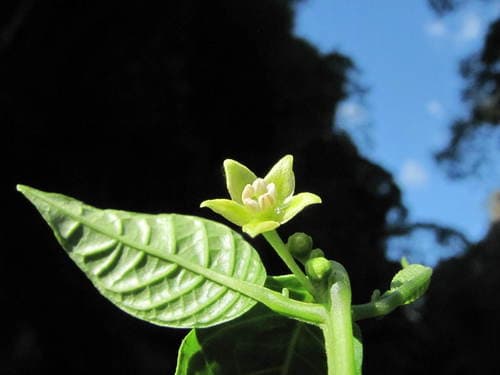
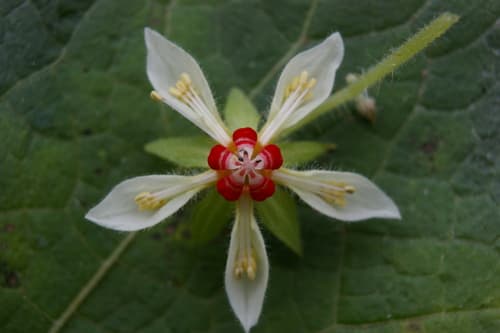
A herbaceous perennial plant, often grown as an annual, producing lantern-like calyxes that enclose a small, round, orange-yellow fruit. Its flowers are bell-shaped, yellow with five dark purple-brown spots at the base of the petals, and grow singly in the leaf axils.