Solanum dichroandrum
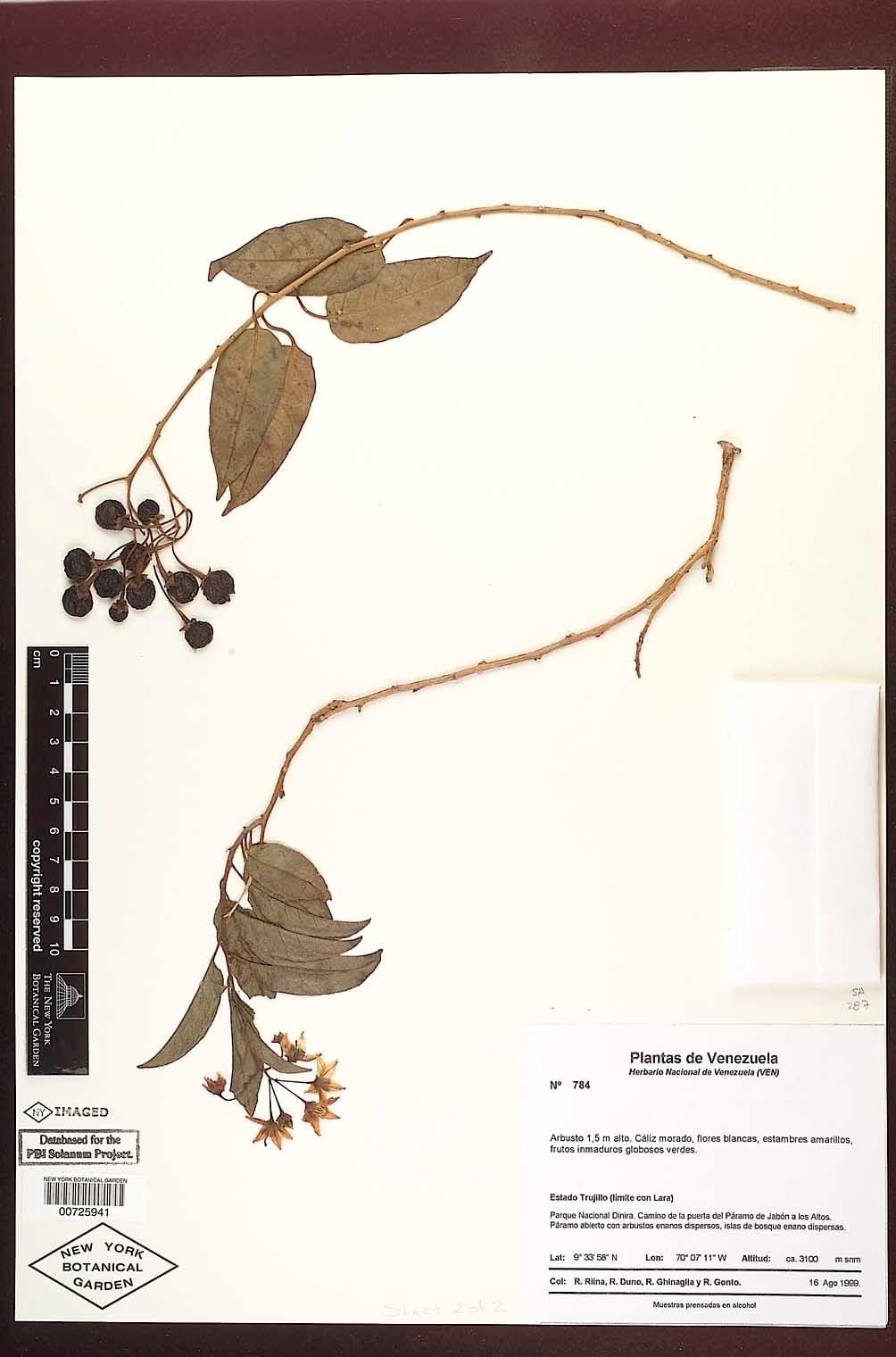
Image: The New York Botanical Garden (cc-by)
NameSolanum dichroandrum
Scientific NameSolanum dichroandrum Dunal
Plant FamilySolanaceae
Natural HabitatFound in open páramo environments with scattered dwarf shrubs and islands of dwarf forest, typically at high altitudes around 3100 meters above sea level. This specimen was collected in Dinira National Park, Venezuela.
Parts Usedleaf,flower,fruit
Medicinal Actionsanti-inflammatory
Traditional UsesSpecific traditional medicinal uses for Solanum dichroandrum are not documented in the provided information. However, many species within the Solanum genus are known for their steroidal glycoalkaloids, which can have various pharmacological effects, including anti-inflammatory properties, but are also often associated with toxicity.
Active Constituentssteroidal glycoalkaloids, solanine, solamargine
Preparation Methodspoultice
Contraindications & WarningsAs with many Solanum species, Solanum dichroandrum likely contains steroidal glycoalkaloids which can be toxic. Internal use is generally not recommended without expert guidance due to potential poisoning. Contraindications would include pregnancy, lactation, young children, and individuals with liver or kidney conditions.
Cultivation NotesThis species thrives in high-altitude, cool páramo conditions, suggesting it requires well-drained soil and possibly full sun exposure. It is adapted to environments with scattered dwarf vegetation.
Rarityuncommon
Description
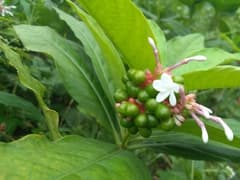
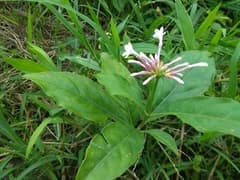
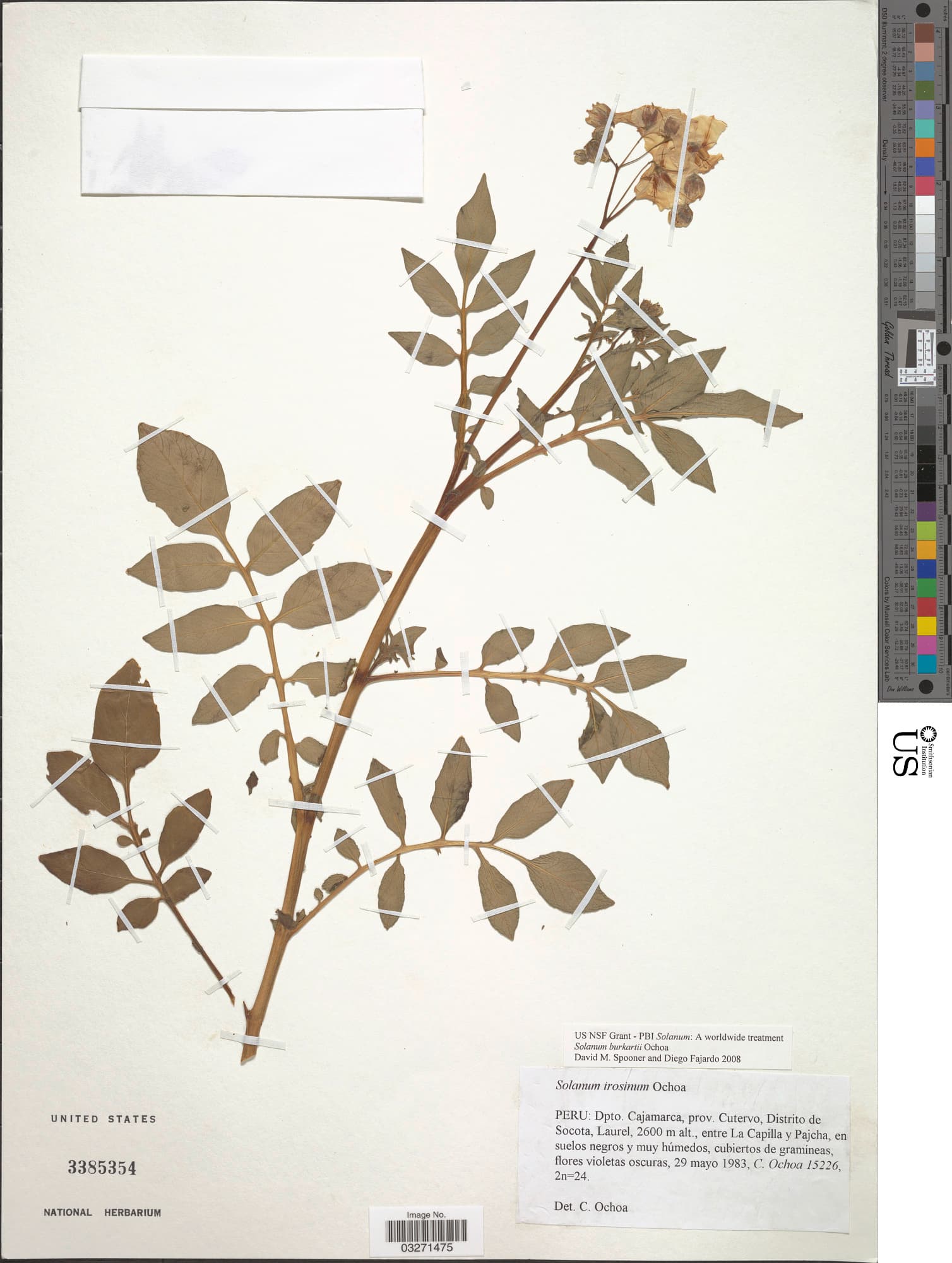
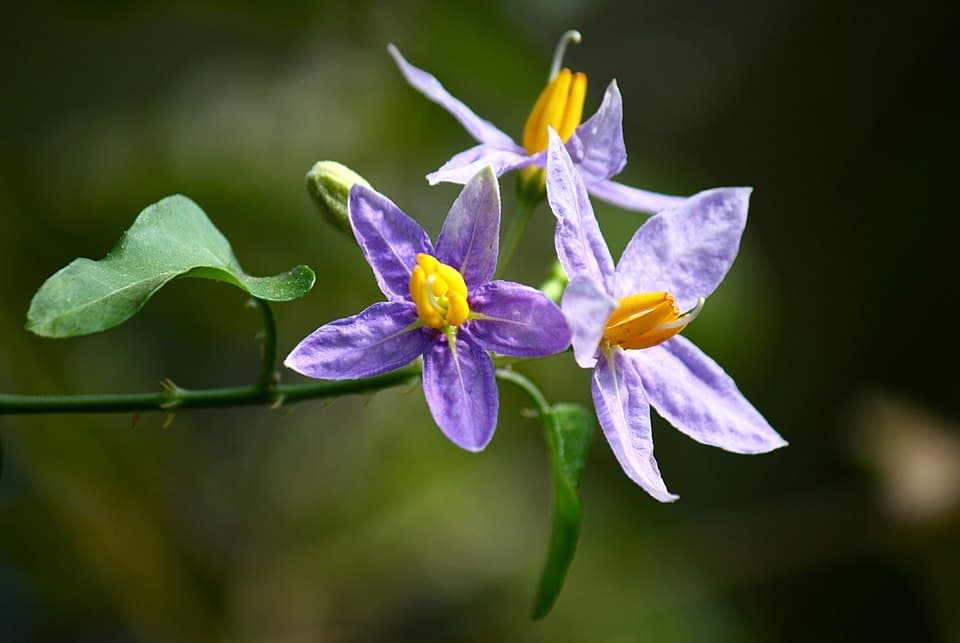
This is a shrub growing up to 1.5 meters tall, characterized by a purple calyx, white flowers with yellow stamens, and immature green globose fruits. The specimen shows woody stems with ovate leaves and clusters of flowers and fruits.