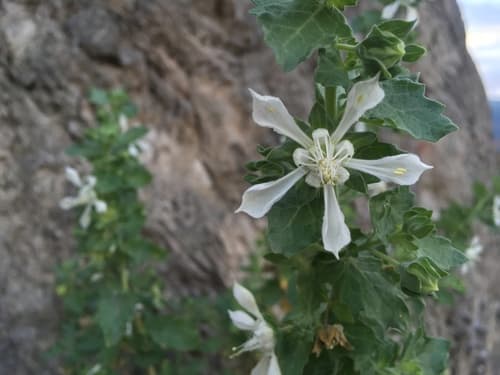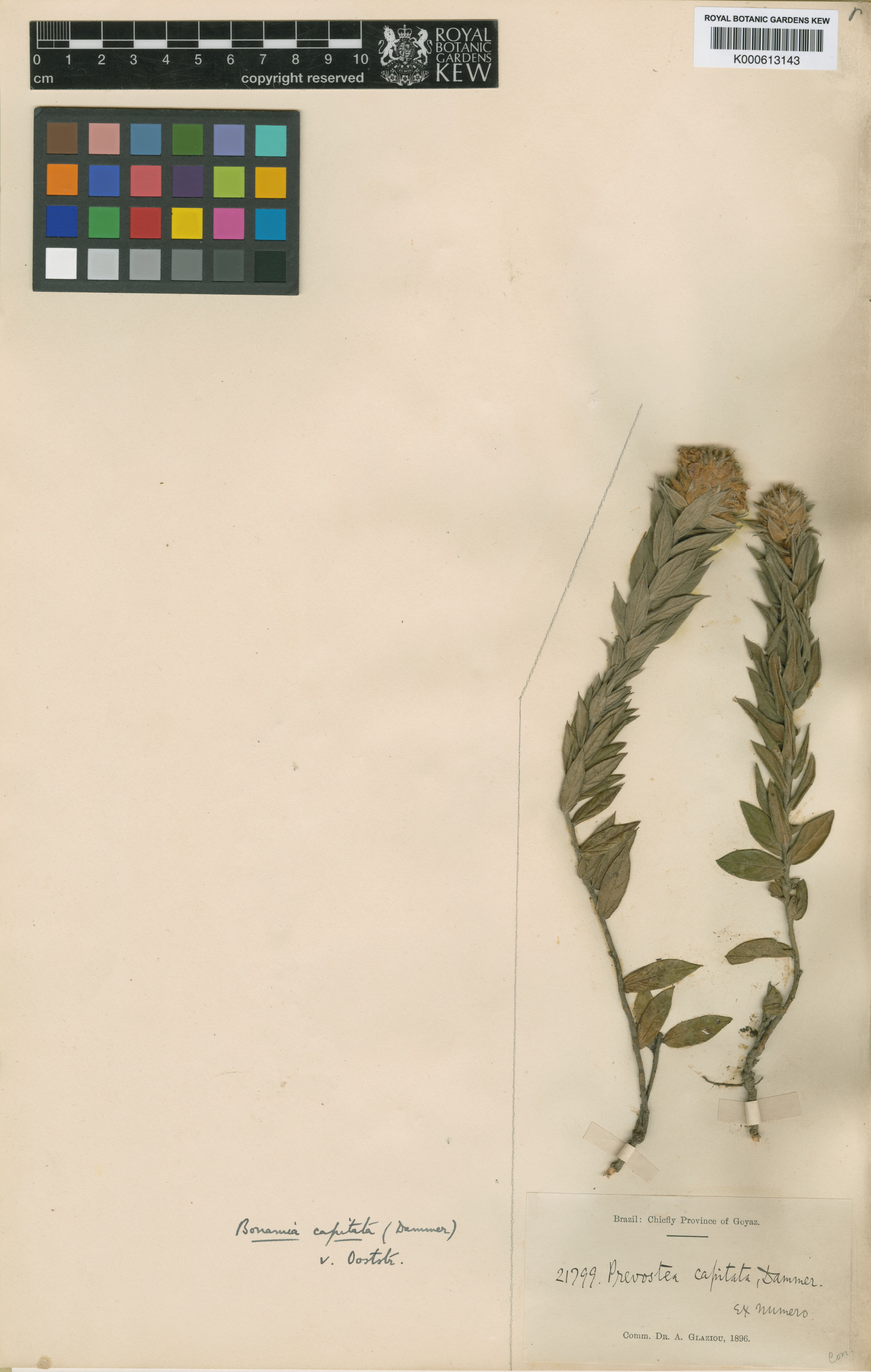
Solanum absconditum
NameSolanum absconditum
Scientific NameSolanum absconditum
Plant FamilySolanaceae
Natural HabitatNative to South America, particularly Brazil, where it can be found in various environments including forest edges, disturbed areas, and open woodlands in tropical and subtropical regions.
Parts Usedwhole_plant
Medicinal Actionsanti-inflammatory, antimicrobial
Traditional UsesSpecific traditional medicinal uses for Solanum absconditum are not widely documented in ethnobotanical literature. However, other species within the Solanum genus are traditionally used for various ailments, often leveraging their steroidal glycoalkaloids for anti-inflammatory or antimicrobial effects, though typically with significant caution due to potential toxicity.
Active Constituentssteroidal glycoalkaloids, flavonoids
Preparation Methodsdecoction, poultice
Contraindications & WarningsAs with many species in the Solanum genus, Solanum absconditum likely contains steroidal glycoalkaloids which can be toxic. Ingestion of any part of the plant, especially unripe fruits, should be avoided. Symptoms of poisoning can include gastrointestinal upset, neurological disturbances, and cardiac effects. Pregnant and breastfeeding women, children, and individuals with liver or kidney conditions should avoid use.
Cultivation NotesThis species prefers full sun to partial shade and well-drained soil. It is a tropical/subtropical plant that can be propagated by seeds or stem cuttings.
Rarityuncommon
Description
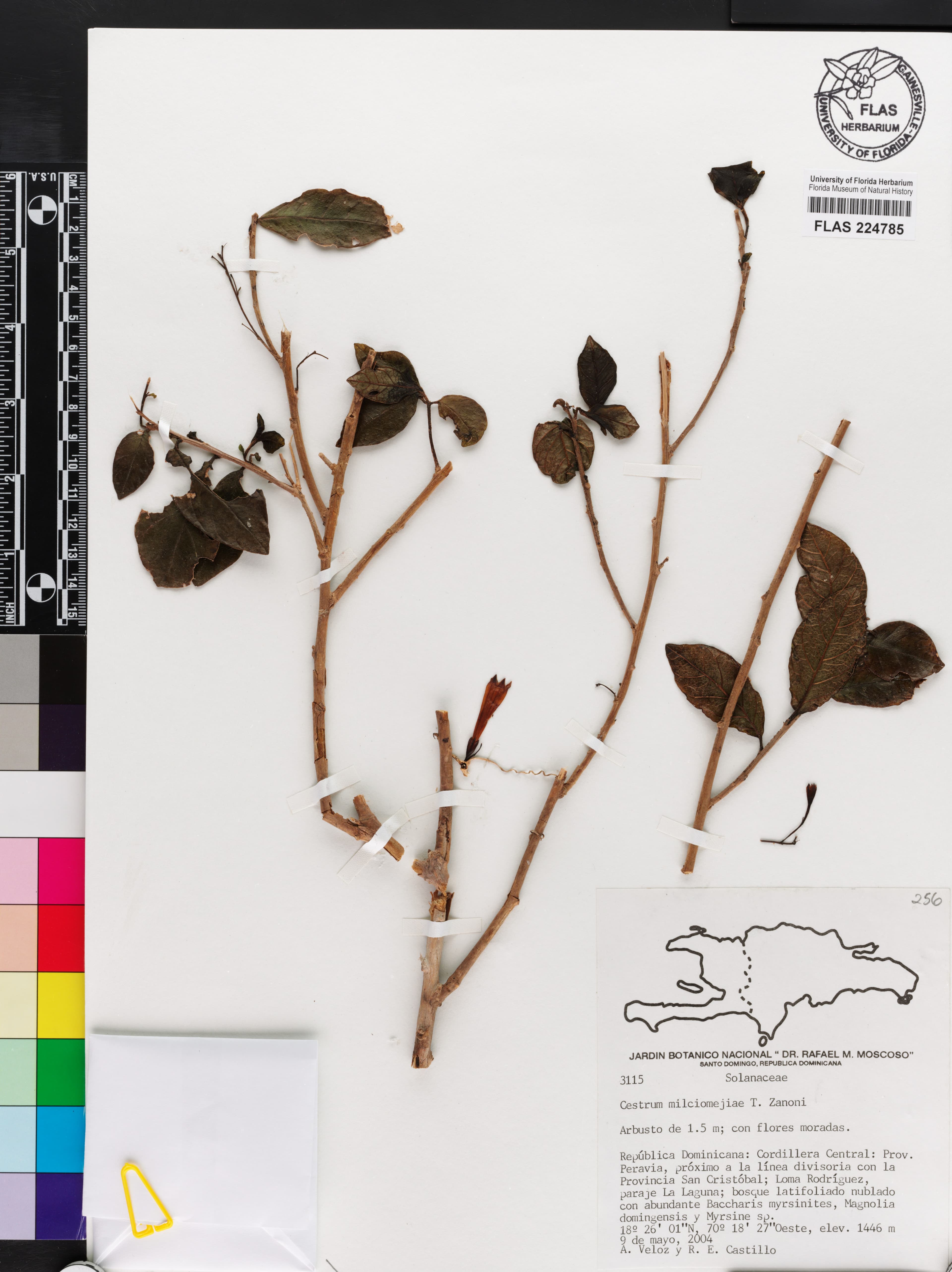
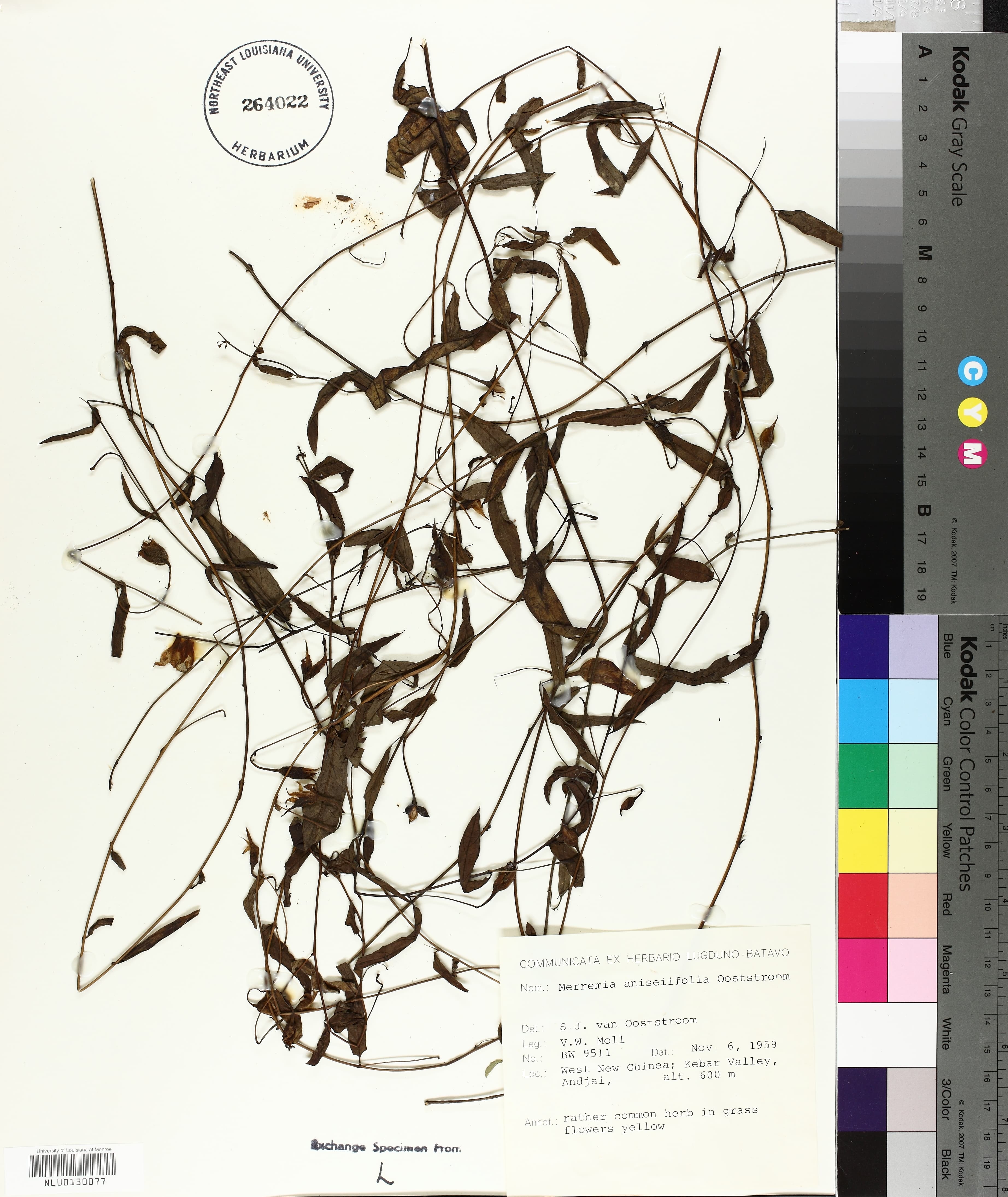
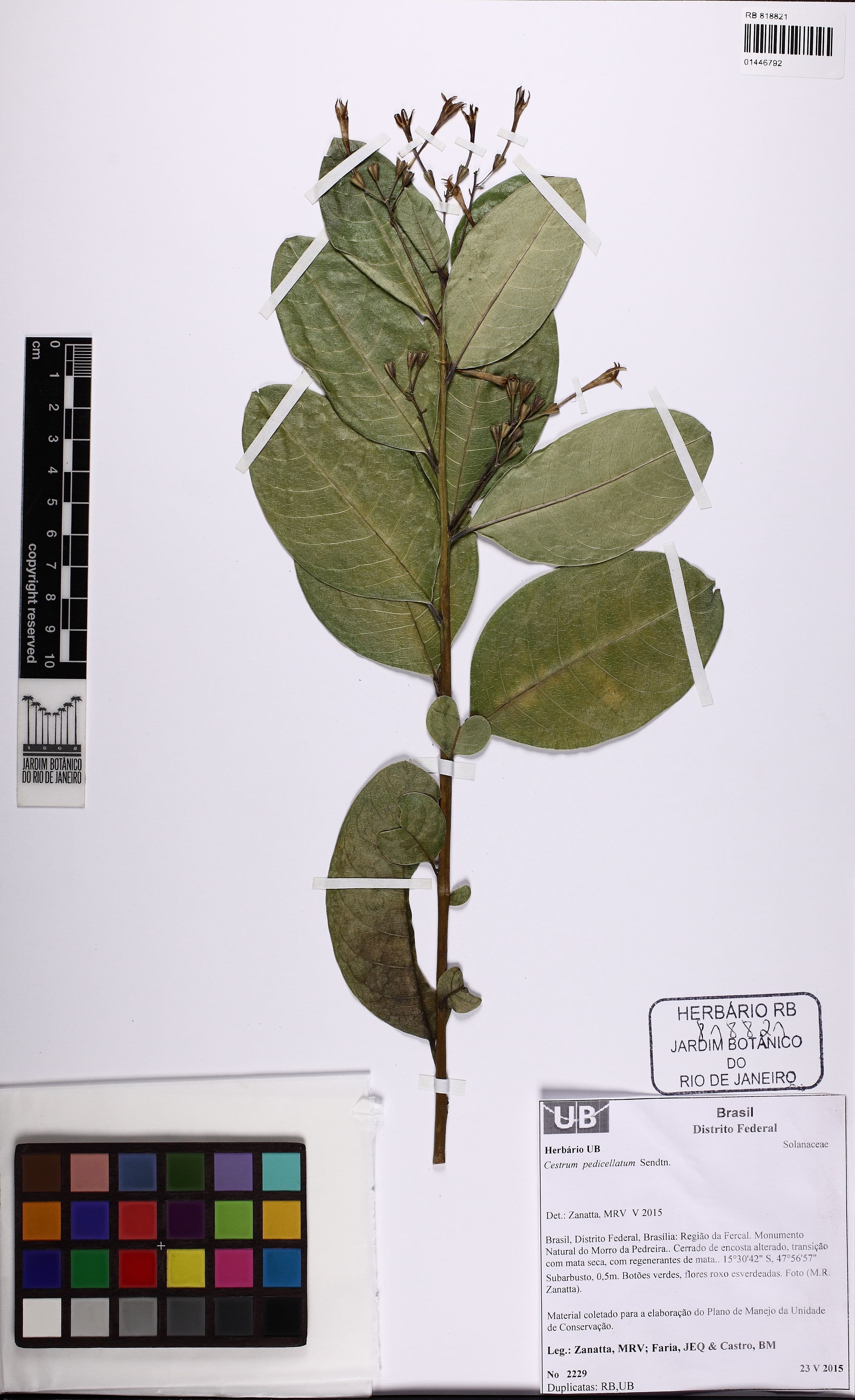
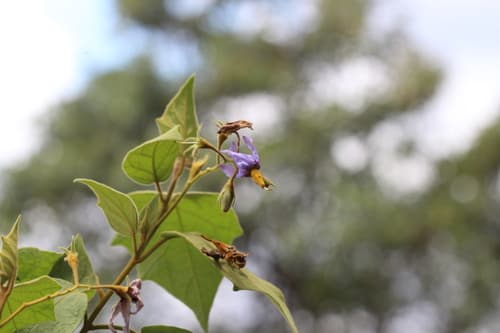
Solanum absconditum is a shrub or subshrub, typically growing up to 2 meters tall, characterized by simple, often pubescent leaves. It produces star-shaped, purple flowers with prominent yellow anthers, arranged in cymes, followed by small berries.