Canary tree bindweed
NameCanary tree bindweed
Scientific NameConvolvulus floridus
Common NamesCanary tree bindweed, Guaydil
Plant FamilyConvolvulaceae
Natural HabitatNative to the Canary Islands, this plant thrives in dry, rocky areas, scrubland, and coastal zones, often found on slopes and cliffs in its natural habitat.
Parts Usedleaf,whole_plant
Medicinal Actionsdiuretic
Traditional UsesWhile Convolvulus floridus is primarily valued as an ornamental plant, other species within the Convolvulus genus have been traditionally used for their diuretic and purgative properties. However, specific traditional medicinal uses for Convolvulus floridus itself are not widely documented.
Active ConstituentsResin glycosides, Flavonoids, Phenolic compounds
Preparation Methodsinfusion, decoction
Contraindications & WarningsDue to the presence of resin glycosides in the Convolvulus genus, which can have purgative effects, caution is advised. It is generally not recommended for pregnant or breastfeeding individuals, or those with pre-existing gastrointestinal disorders.
Cultivation NotesThis plant prefers full sun exposure and well-drained soil. It is highly drought-tolerant once established and can be propagated from seeds or semi-hardwood cuttings. It is hardy in mild, frost-free climates.
Rarityuncommon
Description
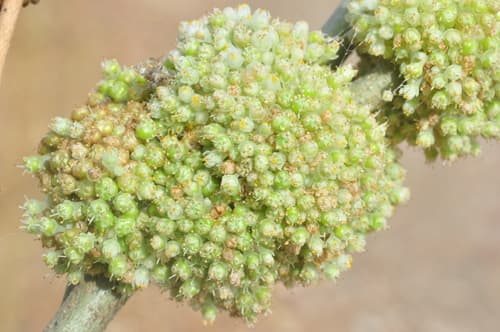
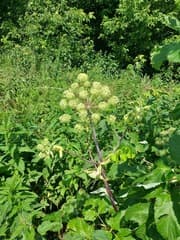
Convolvulus floridus is an evergreen shrub endemic to the Canary Islands, characterized by its woody base and numerous white, funnel-shaped flowers with a yellow center. These distinctive flowers are borne in terminal panicles, while its leaves are typically lanceolate to ovate and can be slightly hairy.