Cuscuta globosa
NameCuscuta globosa
Scientific NameCuscuta globosa
Common NamesDodder, Love Vine, Strangleweed
Plant FamilyConvolvulaceae
Natural HabitatAs a parasitic plant, it grows on a wide variety of host plants in disturbed areas, fields, roadsides, and agricultural lands, often preferring moist, sunny locations.
Parts Usedwhole_plant,seed
Medicinal Actionsadaptogen, anti-inflammatory, antimicrobial, antioxidant, diuretic
Traditional UsesTraditionally, related Cuscuta species (like C. chinensis or C. japonica, often referred to as Tu Si Zi) are used in Traditional Chinese Medicine to tonify the kidney and liver, improve vision, and support reproductive health. It is employed for conditions such as impotence, premature ejaculation, frequent urination, and blurred vision, and also as a general tonic for debility.
Active ConstituentsFlavonoids, Lignans, Polysaccharides, Saponins
Preparation Methodsinfusion, decoction, tincture, powder
Contraindications & WarningsCaution is advised during pregnancy and lactation due to insufficient research. May interact with medications that affect blood sugar or hormones. Consult a healthcare professional before use, especially if you have pre-existing medical conditions or are on medication.
Cultivation NotesAs a parasitic plant, Cuscuta globosa cannot be cultivated independently; it requires a host plant to grow. It is often considered a weed in agricultural settings and is generally not intentionally cultivated for medicinal purposes.
Raritycommon
Description
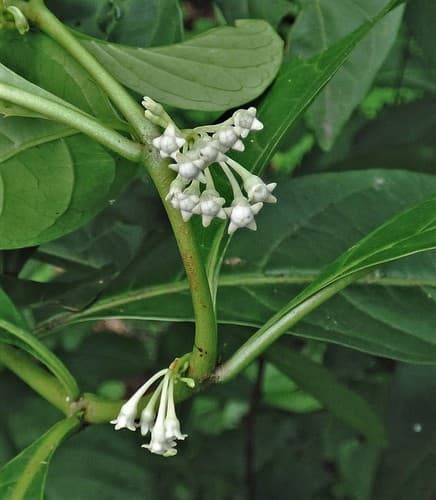
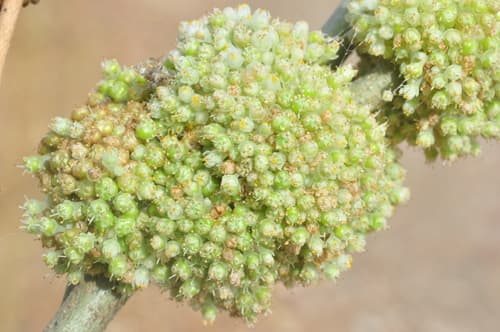
Cuscuta globosa is a parasitic, annual vine characterized by its thread-like, yellowish-green stems that lack true leaves. It produces dense, globular clusters of small, greenish-white flowers, as seen in the image, which develop into small fruits.