Caiophora rosulata
NameCaiophora rosulata
Scientific NameCaiophora rosulata
Common NamesOrtiga brava, Churqui
Plant FamilyLoasaceae
Natural HabitatHigh-altitude Andean regions of South America, typically found in rocky slopes, puna, and dry scrublands. It thrives in arid to semi-arid conditions.
Parts Usedroot,leaf
Medicinal Actionsanalgesic, anti-inflammatory
Traditional UsesTraditionally used by indigenous Andean communities for its analgesic and anti-inflammatory properties, particularly to alleviate rheumatic pain, muscle aches, and localized pain. Preparations often involved roots or carefully processed leaves, though caution is paramount due to the stinging hairs.
Active Constituentsalkaloids, flavonoids, triterpenes
Preparation Methodsdecoction, poultice
Contraindications & WarningsDirect contact with the plant causes severe skin irritation, redness, and pain due to potent stinging hairs. Internal use is not recommended without expert guidance due to potential toxicity and lack of extensive safety data. Avoid during pregnancy, lactation, and in children.
Cultivation NotesPrefers full sun and well-drained, rocky or sandy soils. Requires a high-altitude climate with cool nights and intense sun. Drought-tolerant once established. Handling requires protective gear due to stinging hairs.
Rarityuncommon
Description
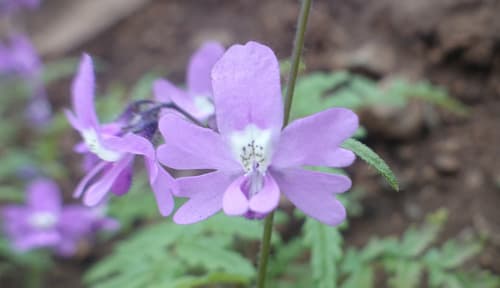
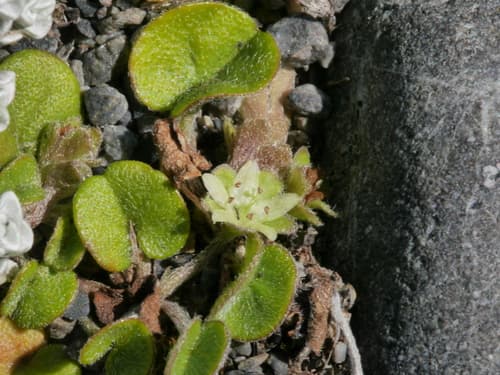
Caiophora rosulata is a herbaceous plant native to the Andes, characterized by its rosette of leaves and stems densely covered in stinging hairs. It produces distinctive, often reddish-orange, cup-shaped flowers with prominent nectaries.