Cacao
NameCacao
Scientific NameTheobroma cacao
Common NamesCacao, Cocoa Tree
Plant FamilyMalvaceae
Natural HabitatNative to the understory of tropical rainforests in Mesoamerica and South America, thriving in hot, humid climates with consistent rainfall.
Parts Usedseed,fruit
Medicinal Actionsadaptogen, antioxidant, nervine, anti-inflammatory
Traditional UsesHistorically, cacao was revered by Mesoamerican civilizations for ceremonial drinks, energy, and as a currency. It was traditionally used to combat fatigue, improve mood, and support overall vitality, often consumed as a bitter beverage.
Active ConstituentsTheobromine, Caffeine, Flavonoids, Anandamide, Phenylethylamine
Preparation Methodsinfusion, powder, salve
Contraindications & WarningsHigh consumption may lead to caffeine-like effects such as insomnia, nervousness, and increased heart rate. May interact with stimulant medications. Theobromine is toxic to some animals.
Cultivation NotesRequires a hot, humid climate with consistent rainfall, partial shade, and well-drained, fertile soil. Sensitive to frost and strong winds.
Raritycommon
Description
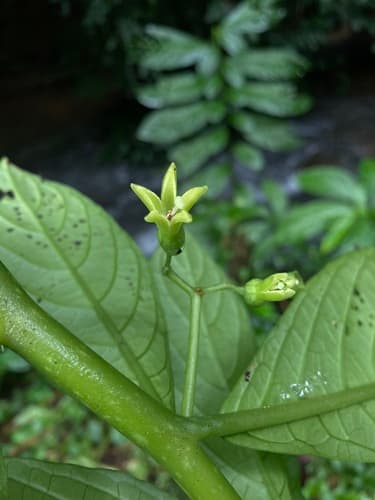
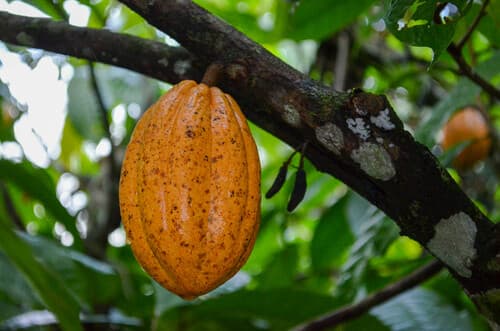
Theobroma cacao is a small, evergreen tree native to tropical regions, known for its large, ribbed pods that grow directly from the trunk and branches. These pods contain seeds, or beans, which are the primary source of cocoa and chocolate.