Solanum turneroides
NameSolanum turneroides
Scientific NameSolanum turneroides
Plant FamilySolanaceae
Natural HabitatNative to South America, this species is commonly found in disturbed areas such as roadsides, agricultural fields, and forest edges, preferring open or semi-open, often sunny, environments.
Parts Usedwhole_plant
Medicinal Actionsanti-inflammatory, analgesic
Traditional UsesSpecific traditional medicinal uses for Solanum turneroides are not widely documented in ethnobotanical literature. However, within the Solanum genus, some species are traditionally used externally as poultices for pain, inflammation, or skin conditions, and very cautiously internally for specific ailments, often due to the presence of steroidal glycoalkaloids. Due to potential toxicity, any internal use requires extreme caution and expert guidance.
Active Constituentssteroidal glycoalkaloids, solasodine, solamargine, solasonine
Preparation Methodspoultice, decoction
Contraindications & WarningsAs with many Solanum species, Solanum turneroides contains potentially toxic steroidal glycoalkaloids. Internal consumption is generally not recommended and can be dangerous, potentially causing gastrointestinal upset, neurological symptoms, or more severe poisoning. It is contraindicated in pregnancy, lactation, children, and individuals with liver or kidney conditions. External use should also be approached with caution.
Cultivation NotesThis plant typically thrives in full sun to partial shade and prefers well-drained soils. It often grows readily in disturbed areas and can be considered a weed in some agricultural settings, indicating it is relatively easy to cultivate in suitable climates.
Rarityuncommon
Description
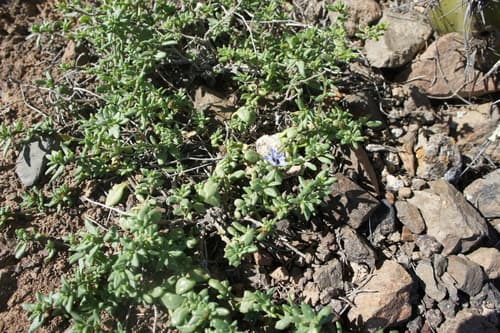
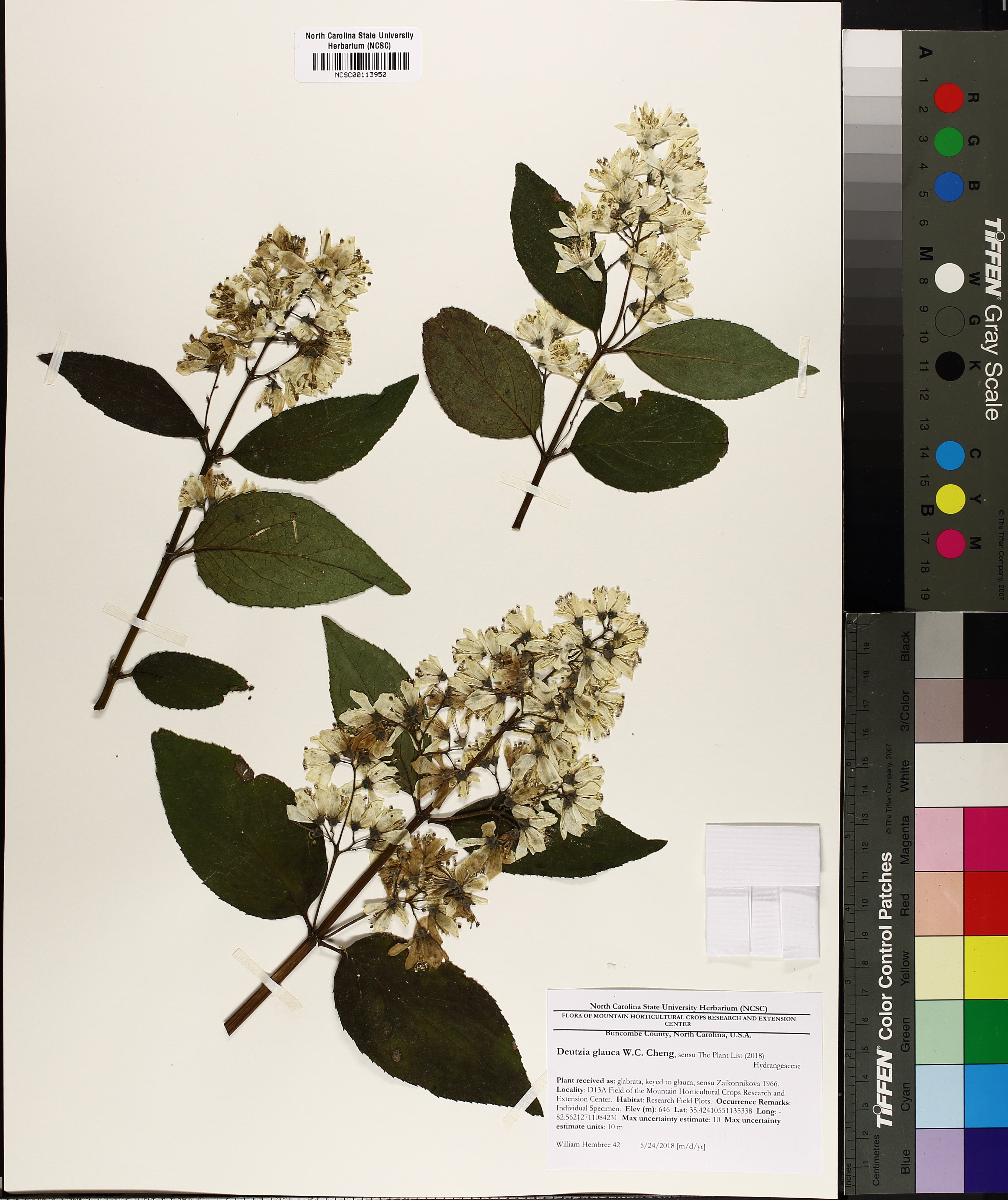
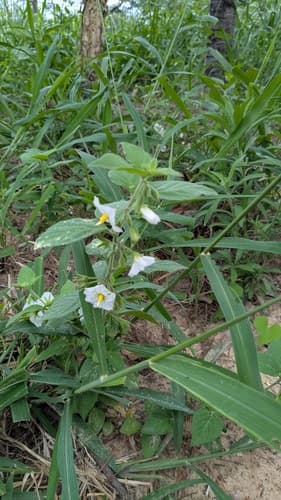
Solanum turneroides is a herbaceous plant, typically an annual or short-lived perennial, characterized by simple, ovate to lanceolate leaves. It produces small, star-shaped white flowers with prominent yellow anthers, followed by small, spherical berries that ripen from green to black.