Brunfelsia clandestina
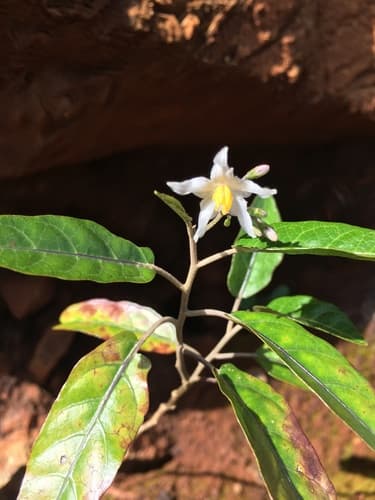
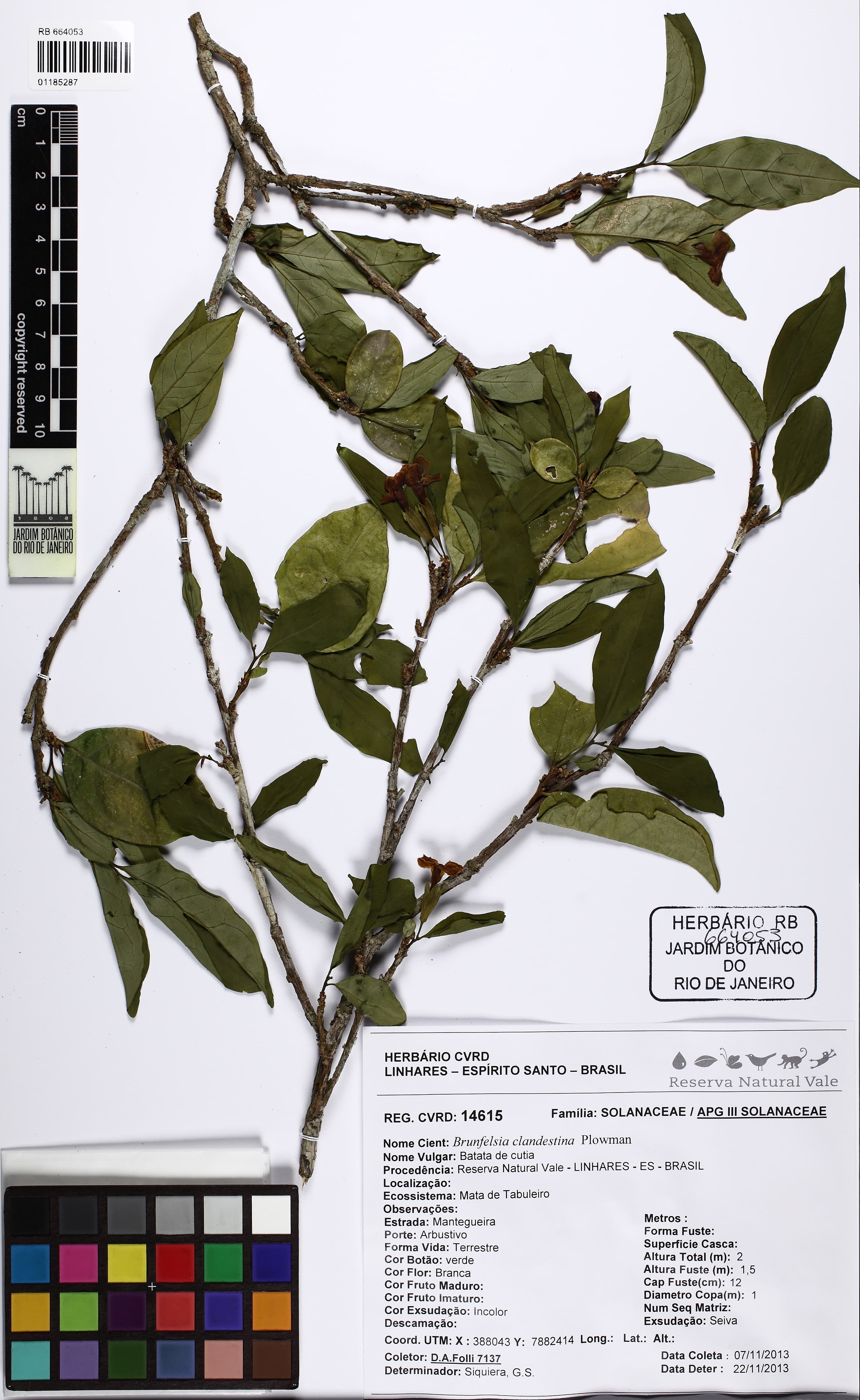
Image: D.A. Folli (cc-by)
NameBrunfelsia clandestina
Scientific NameBrunfelsia clandestina Plowman
Common NamesBatata de cutia
Plant FamilySolanaceae
Natural HabitatNative to Brazil, specifically found in the Atlantic Forest biome, such as the 'Mata de Tabuleiro' (Tableland Forest) in Espírito Santo. It thrives in tropical and subtropical forest understories.
Parts Usedroot,bark,leaf
Medicinal Actionsanalgesic, anti-inflammatory, diuretic, nervine, sedative
Traditional UsesTraditionally, various parts of Brunfelsia species, including B. clandestina, have been used by indigenous communities in South America for treating fevers, rheumatism, and syphilis. Due to its potent psychoactive alkaloids, it is also employed in shamanic rituals for its hallucinogenic and purgative properties, often used with extreme caution.
Active Constituentsscopoletin, brunfelsamidine, tropane alkaloids, coumarins
Preparation Methodsdecoction, infusion, powder
Contraindications & WarningsAll Brunfelsia species are considered highly toxic due to their alkaloid content. Contraindications include pregnancy, lactation, children, individuals with heart conditions, liver or kidney disease, and those taking medications that interact with CNS depressants or stimulants. Overdose can lead to severe gastrointestinal upset, neurological symptoms, and cardiac issues.
Cultivation NotesThis tropical shrub prefers warm, humid climates and well-drained, fertile soil. It typically grows in the understory, indicating a preference for partial shade rather than full sun, and requires consistent moisture.
Rarityuncommon
Description
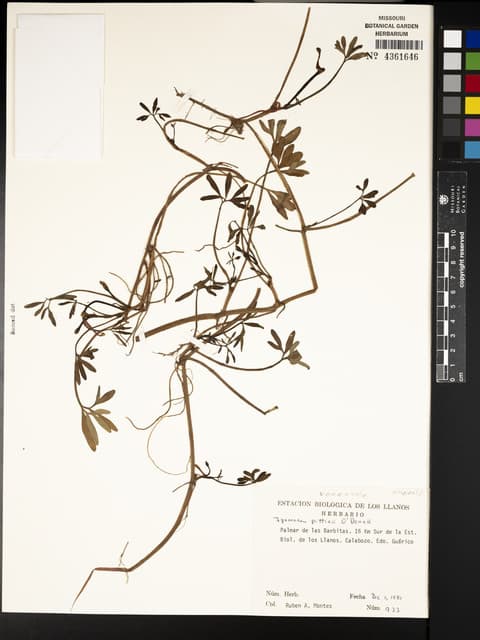
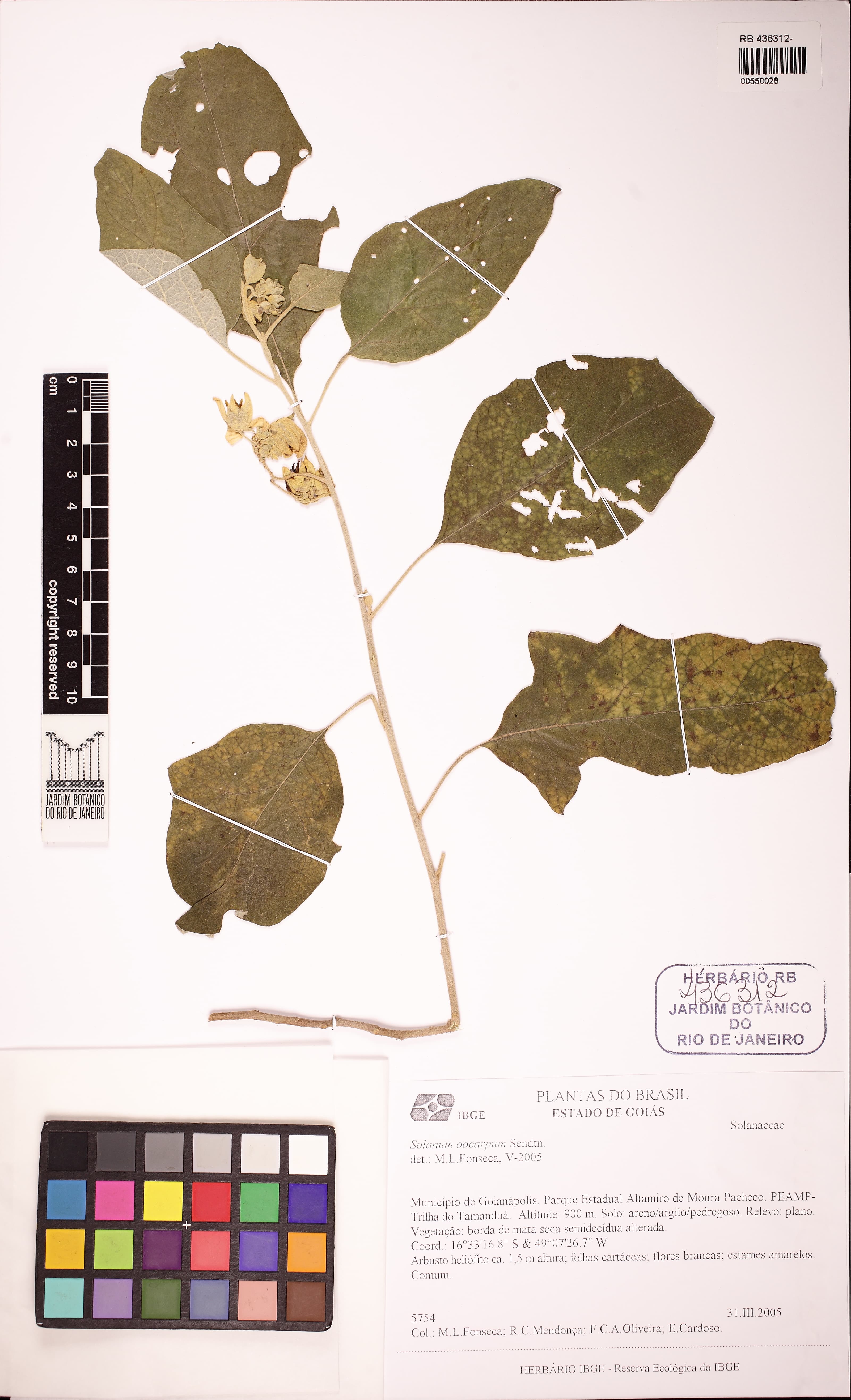
Brunfelsia clandestina is a woody, arbustive shrub, typically growing up to 2 meters tall, characterized by simple, alternate, entire leaves. The specimen shows dried branches with foliage and remnants of small, brownish flowers or buds.