Tea
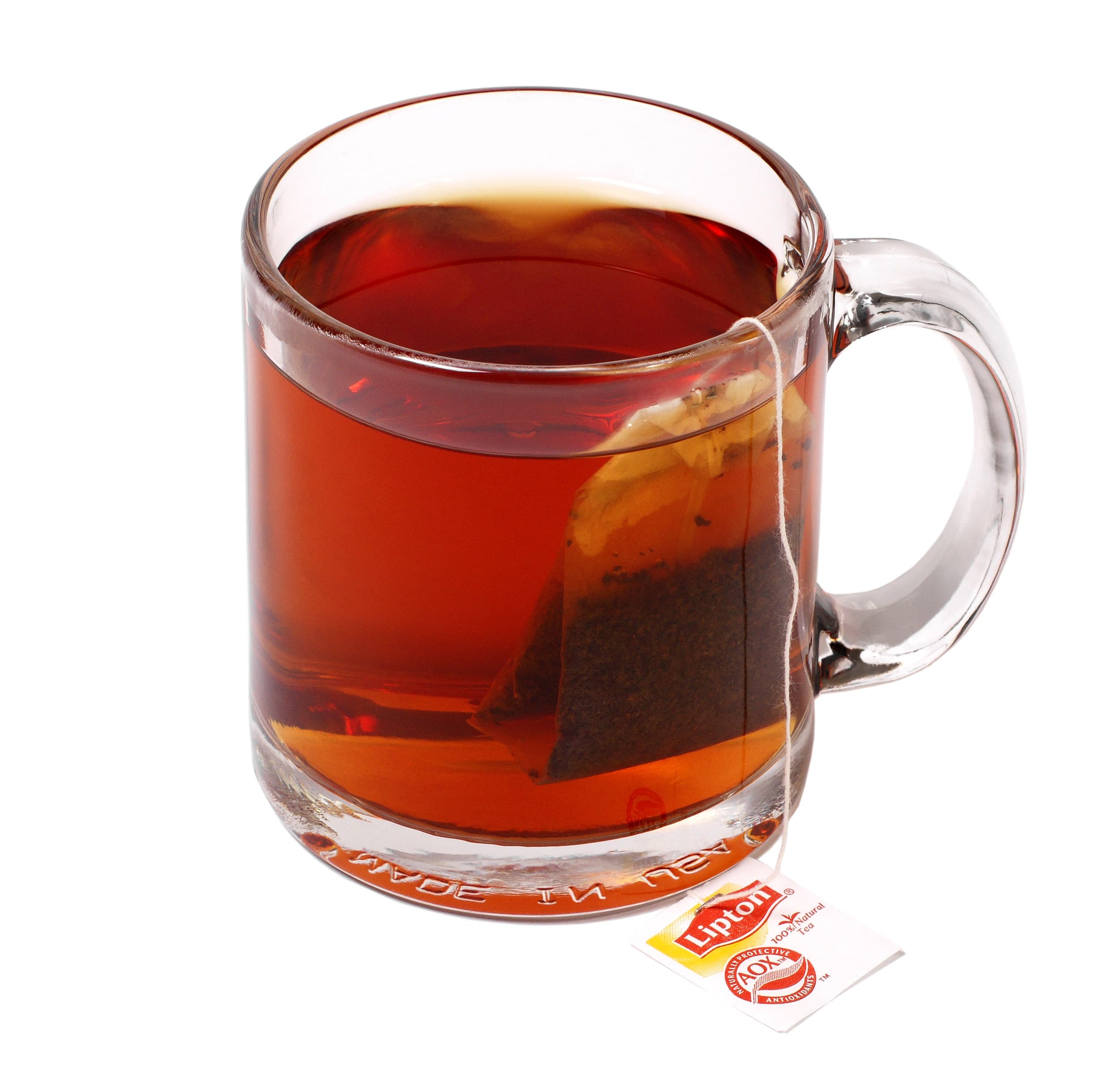
Image: Evan-Amos (Public domain)
NameTea
Scientific NameCamellia sinensis
Common NamesTea, Tea plant, Tea shrub
Plant FamilyTheaceae
Natural HabitatNative to East Asia, particularly China, India, and Myanmar. It thrives in tropical and subtropical climates with high rainfall and well-drained, acidic soil, often cultivated on hillsides.
Parts Usedleaf
Medicinal Actionsantioxidant, anti-inflammatory, astringent, nervine
Traditional UsesTraditionally consumed for its stimulating and refreshing properties, tea has been used to enhance mental alertness, aid digestion, and as a general tonic. Various preparations are also used for their antioxidant benefits and to support cardiovascular health.
Active ConstituentsCaffeine, L-theanine, Catechins (EGCG), Polyphenols, Flavonoids
Preparation Methodsinfusion, powder
Contraindications & WarningsHigh caffeine intake can lead to insomnia, anxiety, and heart palpitations, especially in sensitive individuals. It may interfere with iron absorption and should be consumed in moderation during pregnancy.
Cultivation NotesRequires a warm, humid climate with consistent rainfall and well-drained, acidic soil. Plants are typically pruned to maintain a manageable size and encourage new leaf growth for harvesting.
Raritycommon
Description
Camellia sinensis is an evergreen shrub or small tree, typically pruned to a shrub size for cultivation. It features dark green, glossy leaves and small, fragrant white flowers.