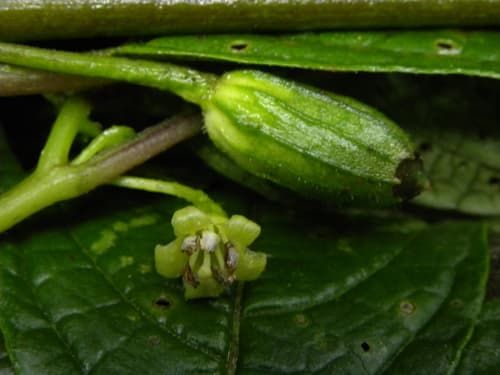
Solanum tetrandrum
NameSolanum tetrandrum
Scientific NameSolanum tetrandrum
Common NamesJurubeba
Plant FamilySolanaceae
Natural HabitatNative to South America, particularly Brazil, where it thrives in diverse environments such as savannas (cerrado), disturbed areas, and forest edges.
Parts Usedleaf,root
Medicinal Actionsanti-inflammatory, diuretic, antioxidant
Traditional UsesTraditionally used in Brazilian folk medicine to support liver health, aid digestion, reduce inflammation, and as a diuretic. It is also employed for fevers and general detoxification.
Active Constituentssteroidal glycoalkaloids, flavonoids, saponins
Preparation Methodsinfusion, decoction
Contraindications & WarningsDue to the presence of glycoalkaloids, high doses or prolonged use may cause toxicity. Not recommended for pregnant or nursing women, young children, or individuals with severe liver conditions without medical supervision. May interact with certain medications.
Cultivation NotesThis plant prefers full sun to partial shade and well-drained soil. It is relatively hardy and can tolerate various soil types, making it suitable for cultivation in tropical and subtropical climates.
Raritycommon
Description
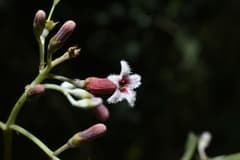
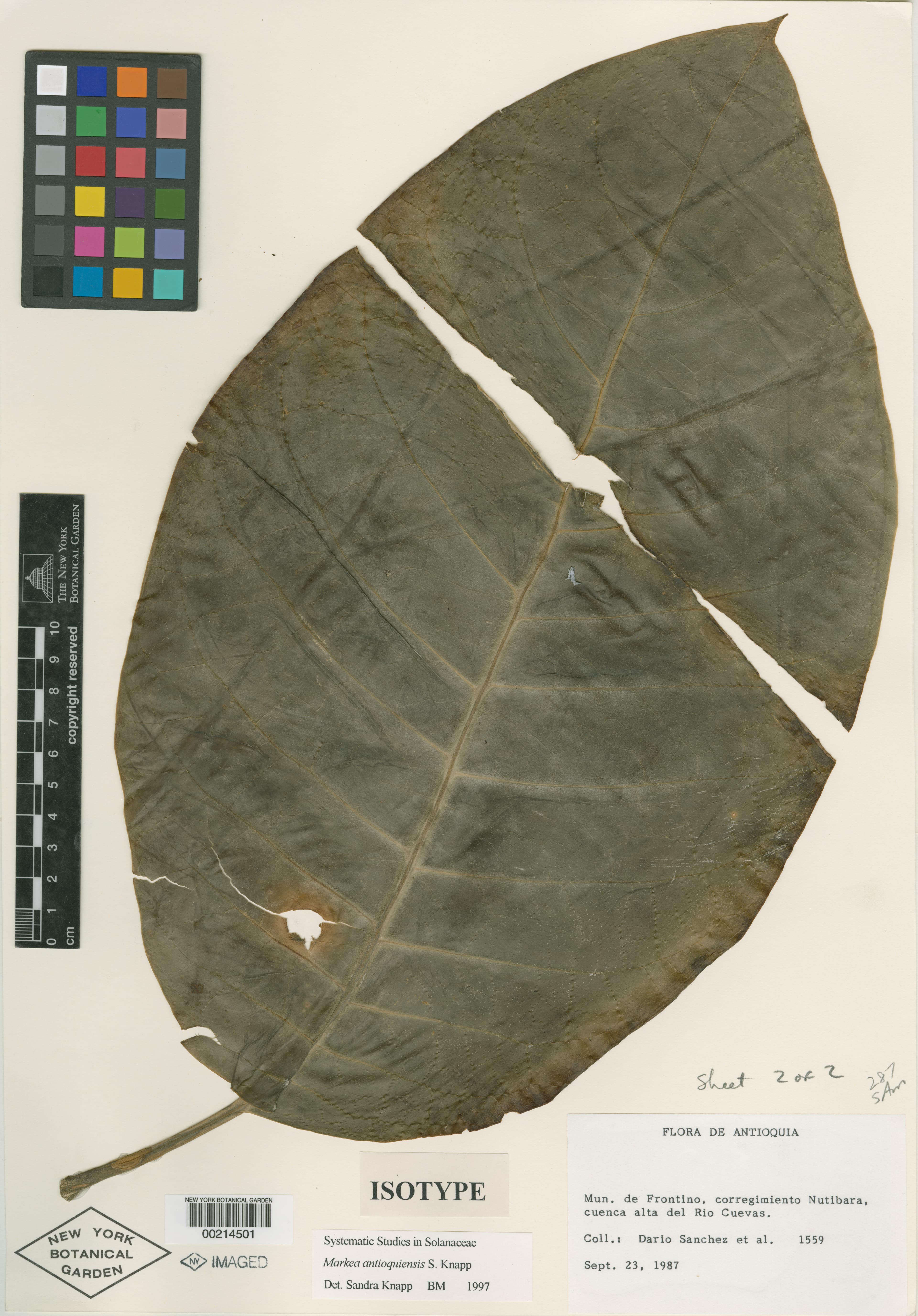
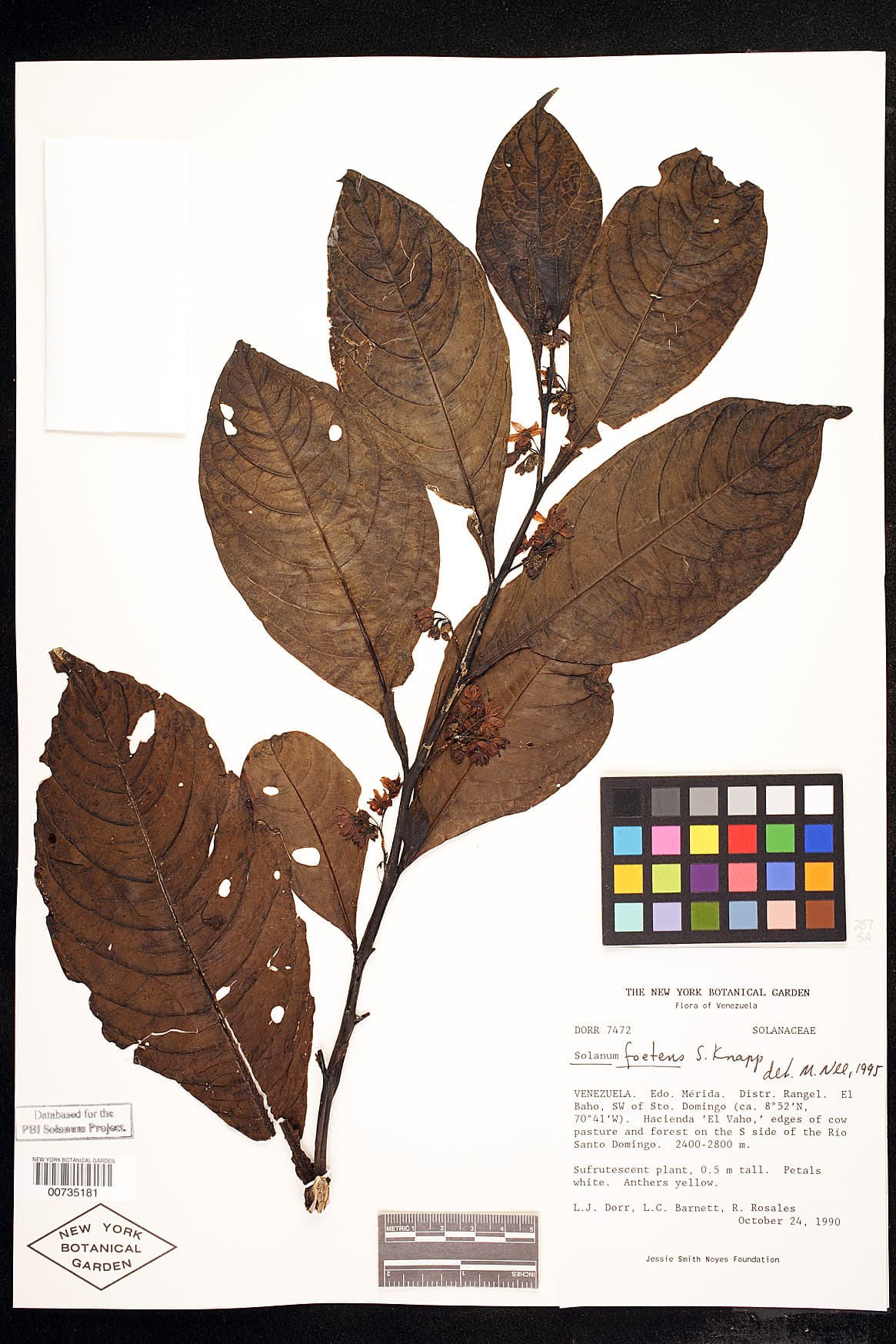
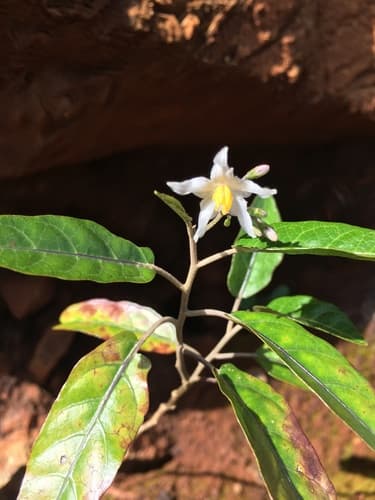
Solanum tetrandrum is a small shrub or subshrub, typically reaching 1-2 meters in height. It features simple, alternate leaves and distinctive white, star-shaped flowers with a prominent yellow cone of anthers, characteristic of the Solanum genus.