Brazil Raintree
NameBrazil Raintree
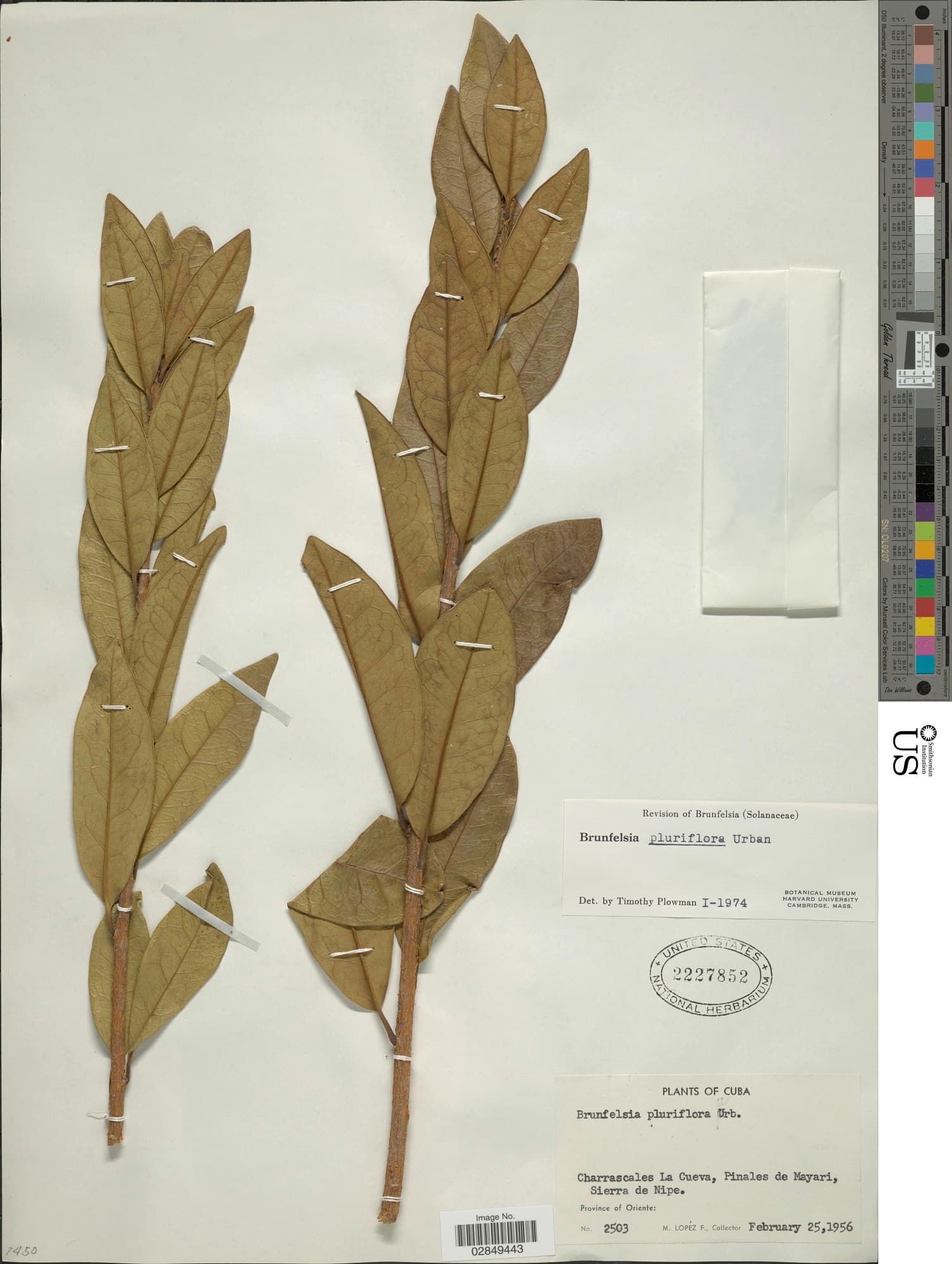
Scientific NameBrunfelsia pauciflora
Common NamesYesterday-Today-and-Tomorrow, Brazil Raintree, Brazilian Raintree, Kiss Me Quick
Plant FamilySolanaceae
Natural HabitatNative to the tropical and subtropical rainforests of Brazil, thriving in humid, shaded understory environments.
Parts Usedroot,bark
Medicinal Actionsanalgesic, anti-inflammatory, nervine
Traditional UsesTraditionally used by indigenous Amazonian tribes for its purgative, emetic, and hallucinogenic properties in ritualistic contexts. In folk medicine, it has been applied to treat fevers, rheumatism, and syphilis, though always in very small, carefully prepared doses due to its inherent toxicity.
Active ConstituentsBrunfelsamidine, scopoletin, brunfelsine, manacine, tropane alkaloids
Preparation Methodsdecoction, infusion
Contraindications & WarningsHighly toxic; all parts of the plant are poisonous if ingested, especially the roots. Can cause severe gastrointestinal upset, neurological symptoms (convulsions, paralysis), and respiratory depression. Not safe for internal use without expert guidance; contraindicated in pregnancy, lactation, and for children. Interacts with many medications due to its alkaloid content.
Cultivation NotesPrefers partial shade to full sun, well-drained, acidic soil, and high humidity. Requires regular watering and protection from frost. Can be grown in containers in cooler climates.
Raritycommon
Description
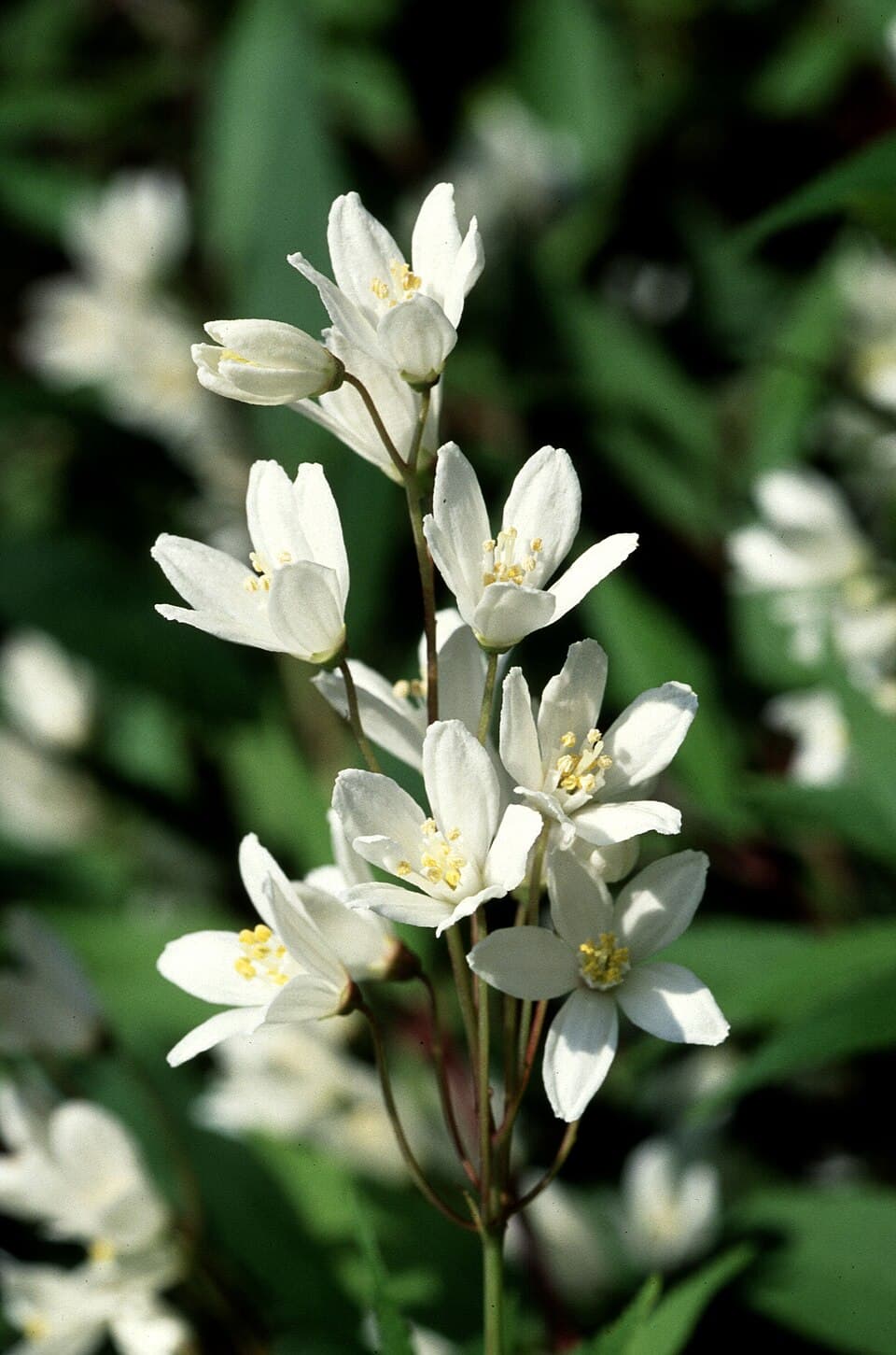
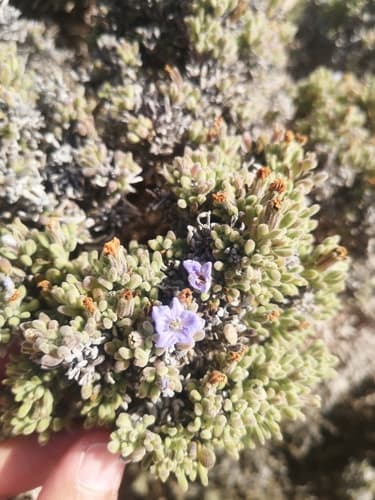
A tropical evergreen shrub renowned for its fragrant, trumpet-shaped flowers that undergo a striking color transformation over three days, from deep violet to lavender to white. It typically grows 1-3 meters tall, featuring glossy, dark green leaves.