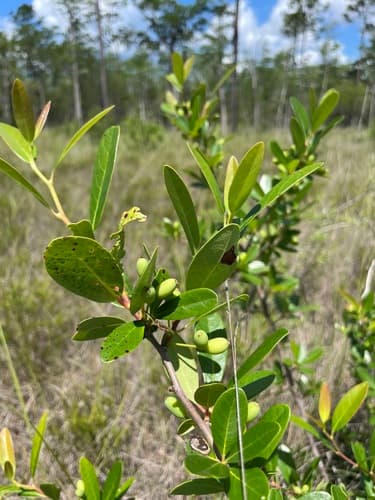
Bog Tupelo
NameBog Tupelo
Scientific NameNyssa biflora
Common NamesBog Tupelo, Swamp Tupelo
Plant FamilyNyssaceae
Natural HabitatNative to the southeastern United States, thriving in swamps, bogs, wet flatwoods, and along pond margins where soils are poorly drained and acidic. It is well-adapted to consistently wet or saturated conditions.
Parts Usedleaf,fruit
Medicinal Actionsastringent
Traditional UsesNo significant traditional human medicinal uses are widely documented for Nyssa biflora. While some folk traditions for the broader Nyssa genus might mention bark or leaves as a mild astringent or tonic, it is not considered a prominent medicinal herb. The fruits are, however, an important food source for various wildlife species.
Active Constituentstannins
Preparation Methodsinfusion, decoction
Contraindications & WarningsNone widely documented due to the lack of significant traditional medicinal use or research into its human therapeutic properties.
Cultivation NotesPrefers consistently wet to saturated, acidic soils. Thrives in full sun to partial shade and is highly tolerant of flooding. Suitable for wetland restoration projects or bog gardens where conditions mimic its natural habitat.
Raritycommon
Description
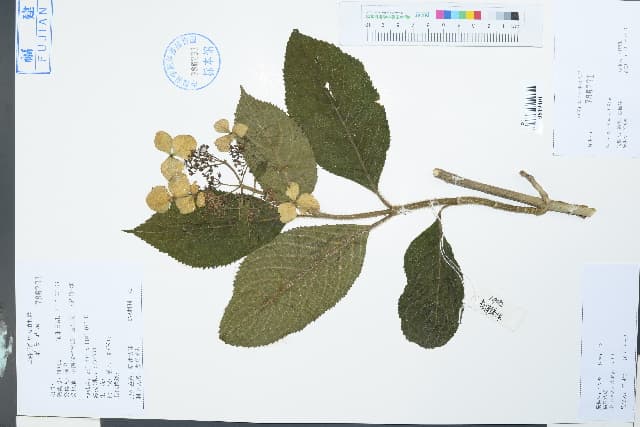
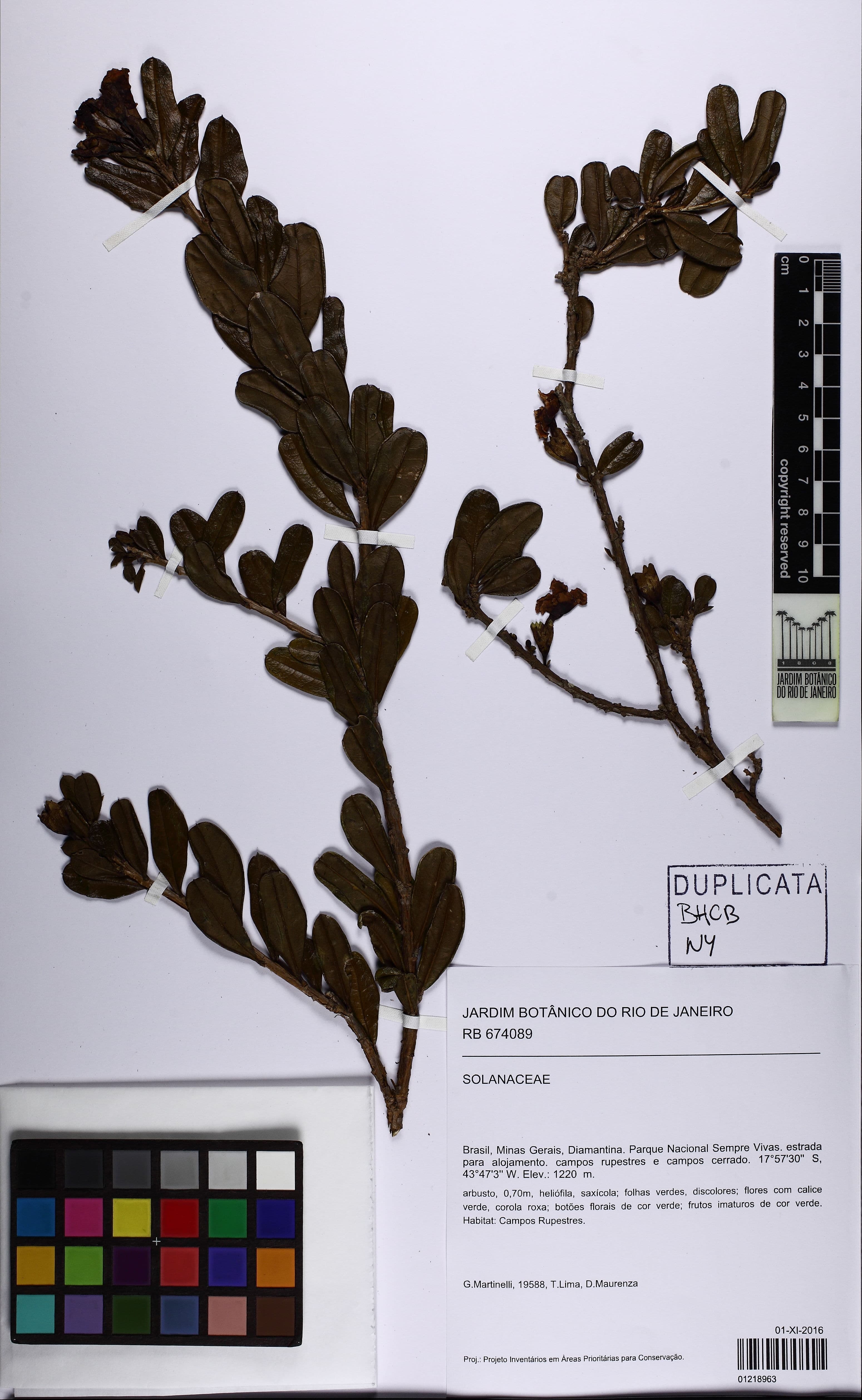
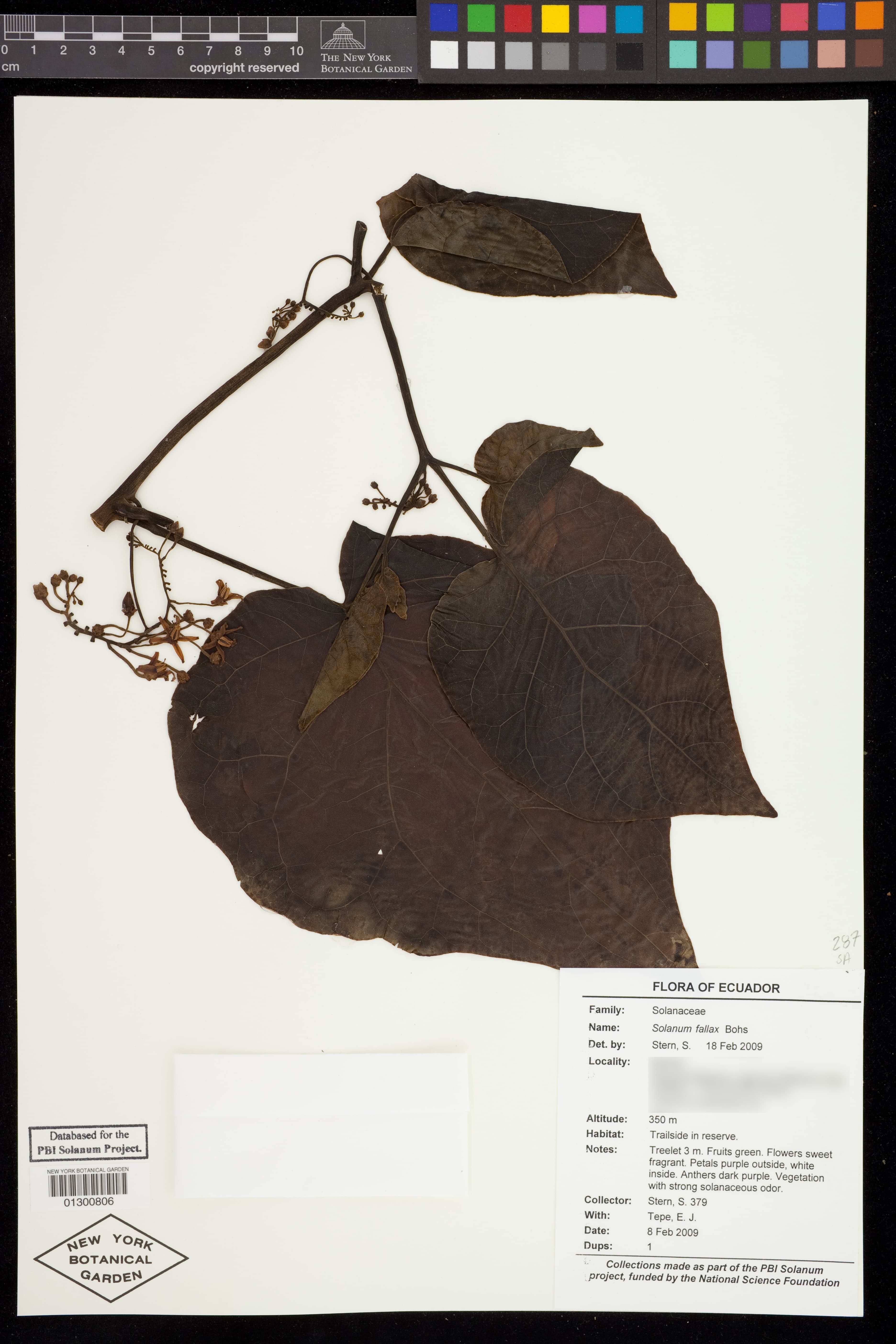
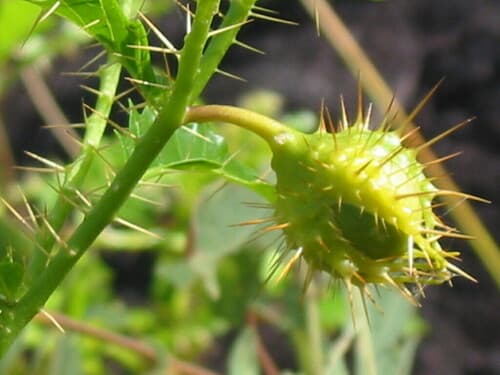
Nyssa biflora is a medium-sized deciduous tree or large shrub, typically found in wet environments. It features simple, alternate, oblong to obovate leaves that are often somewhat leathery and glossy green. The plant produces small, oval, green fruits (drupes) that mature to dark blue or black.