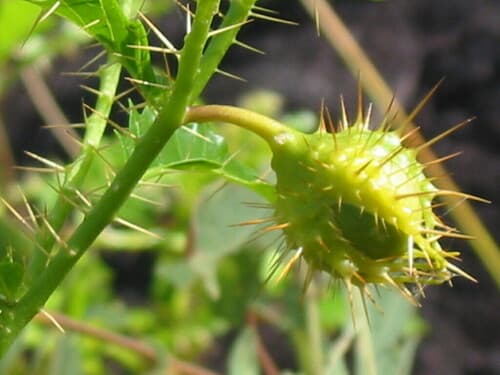
Solanum oedipus
NameSolanum oedipus
Scientific NameSolanum oedipus
Plant FamilySolanaceae
Natural HabitatNative to Brazil, this species typically thrives in tropical and subtropical regions, often found in disturbed areas such as roadsides, forest clearings, and secondary growth.
Parts Usedleaf,fruit
Medicinal Actionsanti-inflammatory, antimicrobial
Traditional UsesTraditional medicinal uses for Solanum oedipus are not widely documented. However, other Solanum species containing similar compounds have been traditionally used topically for inflammatory skin conditions or as antimicrobial agents, often with extreme caution due to potential toxicity.
Active Constituentssteroidal glycoalkaloids, solanine-like compounds
Preparation Methodspoultice, powder
Contraindications & WarningsAll parts of Solanum oedipus are presumed to be toxic due to the presence of steroidal glycoalkaloids. Internal use is strongly contraindicated and can lead to severe poisoning, including gastrointestinal distress, neurological symptoms, and cardiac issues. Topical use should also be approached with extreme caution and under expert guidance.
Cultivation NotesThis thorny plant prefers full sun to partial shade and well-drained soil. It is adapted to tropical and subtropical climates and can tolerate some drought once established. Propagation is typically by seed.
Rarityuncommon
Description
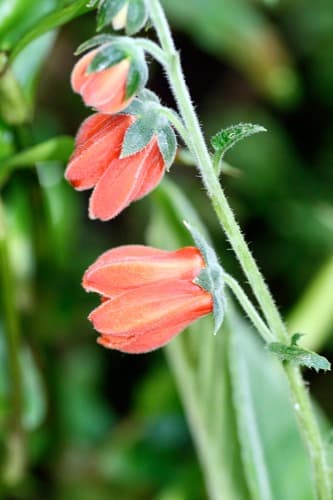
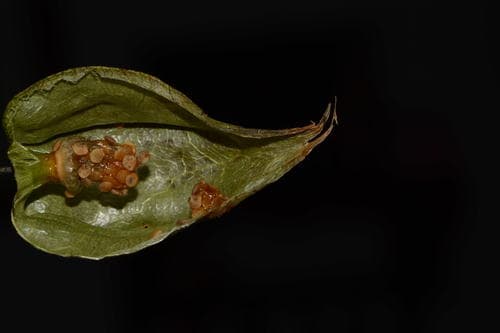
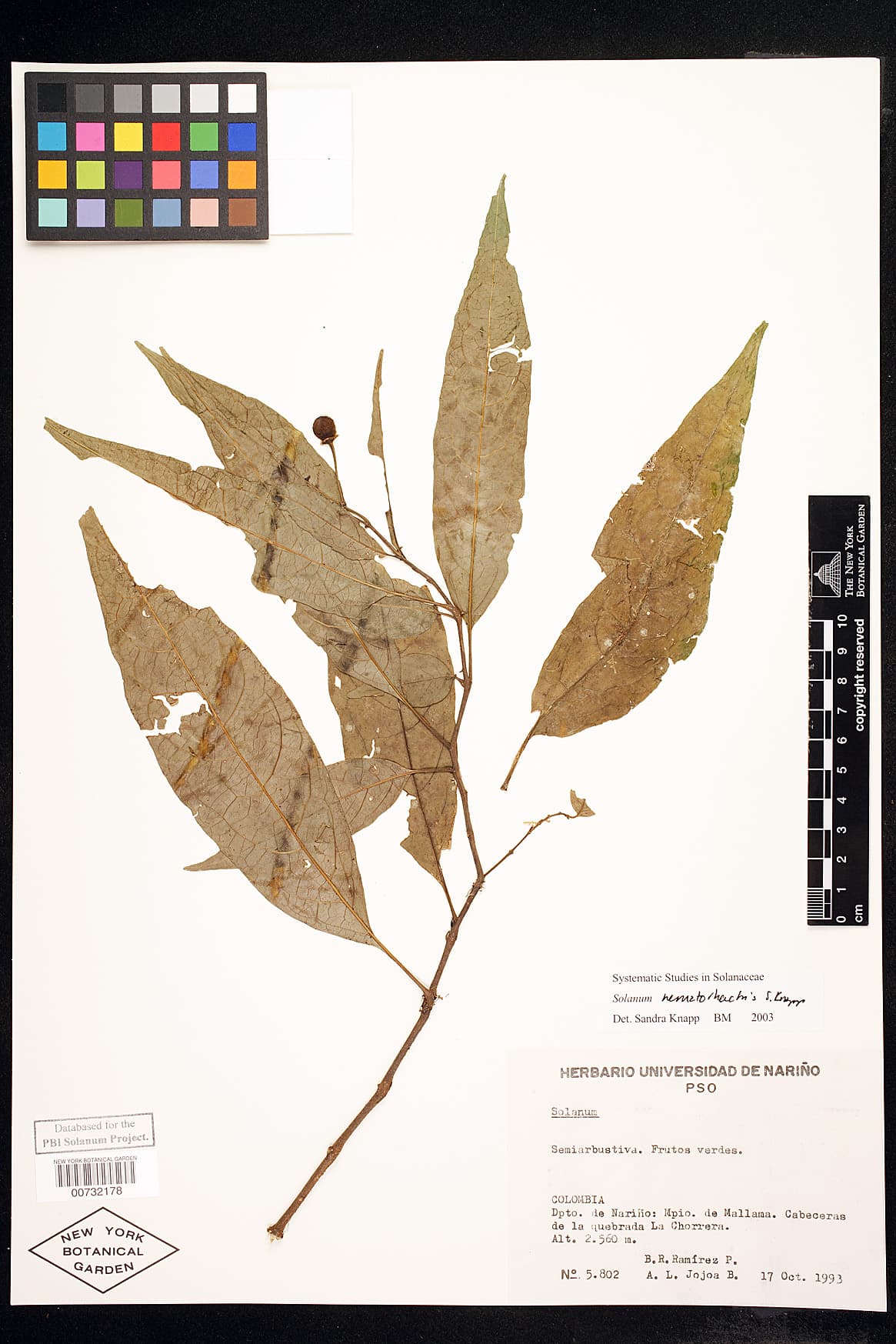
Solanum oedipus is a thorny shrub or subshrub characterized by its spiny stems and leaves. It produces distinctive green, ovoid fruits densely covered with sharp, needle-like spines, as seen in its immature stage.