Bilberry
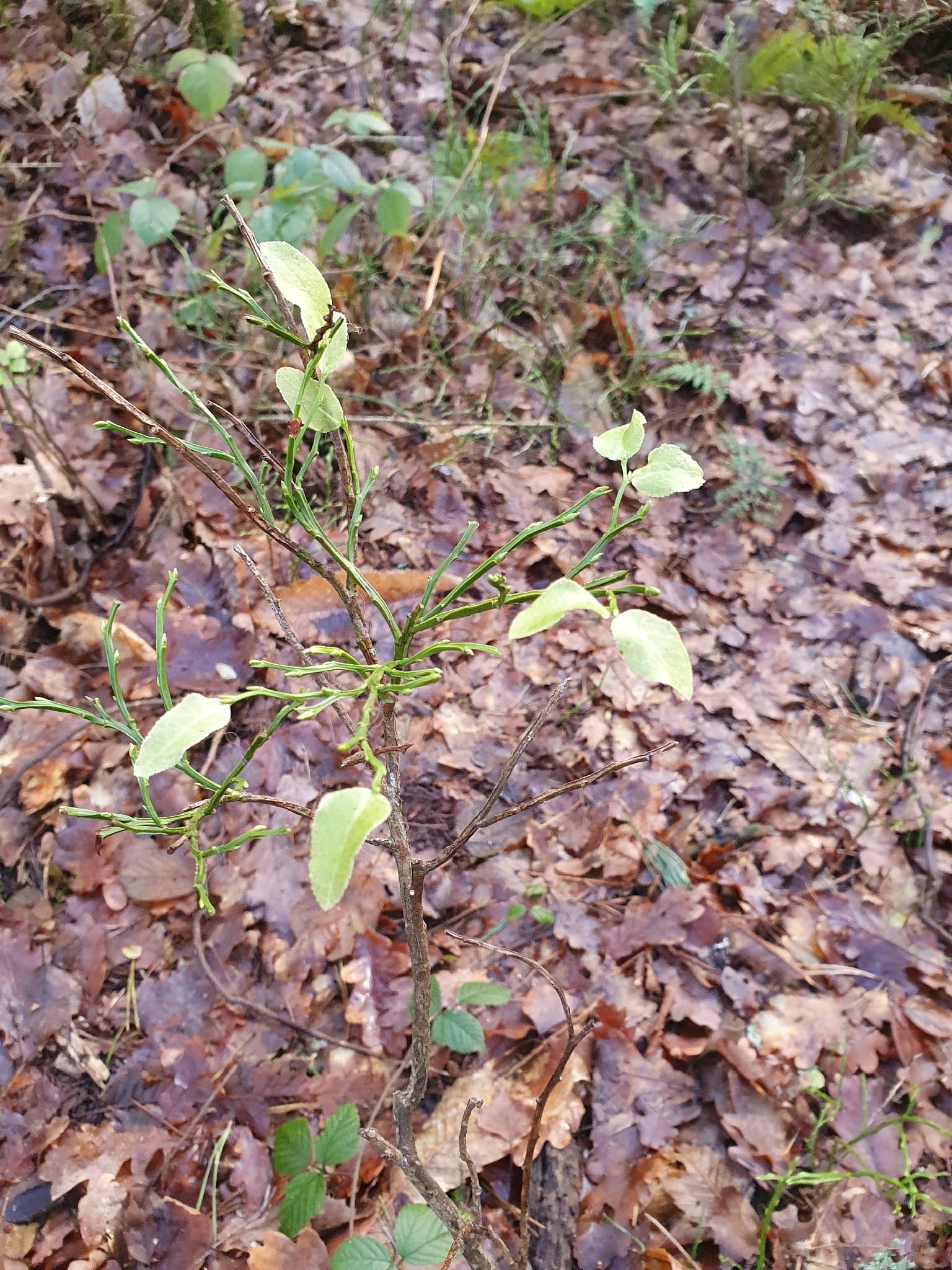
Image: ragged-robin (cc-by)
NameBilberry
Scientific NameVaccinium myrtillus
Common NamesBilberry, European Blueberry, Whortleberry, Blaeberry
Plant FamilyEricaceae
Natural HabitatNative to temperate and boreal regions of Europe, Asia, and North America. It thrives in acidic, well-drained soils, commonly found in woodlands, heathlands, moorlands, and coniferous forests.
Parts Usedfruit,leaf
Medicinal Actionsantioxidant, anti-inflammatory, astringent, antimicrobial, diuretic
Traditional UsesTraditionally used to improve vision, particularly night vision, and to treat various eye conditions. Its astringent properties made it useful for digestive issues like diarrhea. It has also been employed to improve circulation, strengthen blood vessels, and the leaves were historically used to help manage blood sugar levels.
Active ConstituentsAnthocyanins, flavonoids, tannins, phenolic acids
Preparation Methodsinfusion, decoction, tincture, powder
Contraindications & WarningsGenerally considered safe, but high doses may cause mild gastrointestinal upset. It may interact with blood-thinning medications (anticoagulants) due to potential antiplatelet effects, and diabetics should monitor blood sugar if consuming large amounts of leaf preparations.
Cultivation NotesPrefers acidic, well-drained soil and partial shade, requiring consistent moisture. It can be challenging to cultivate successfully outside its natural, specific habitat conditions.
Raritycommon
Description
A low-growing, deciduous shrub characterized by its green, angular stems and small, oval leaves. It produces dark blue-black berries in summer. The plant in the image shows new light green leaves emerging on its distinctive green stems, surrounded by fallen autumn foliage.