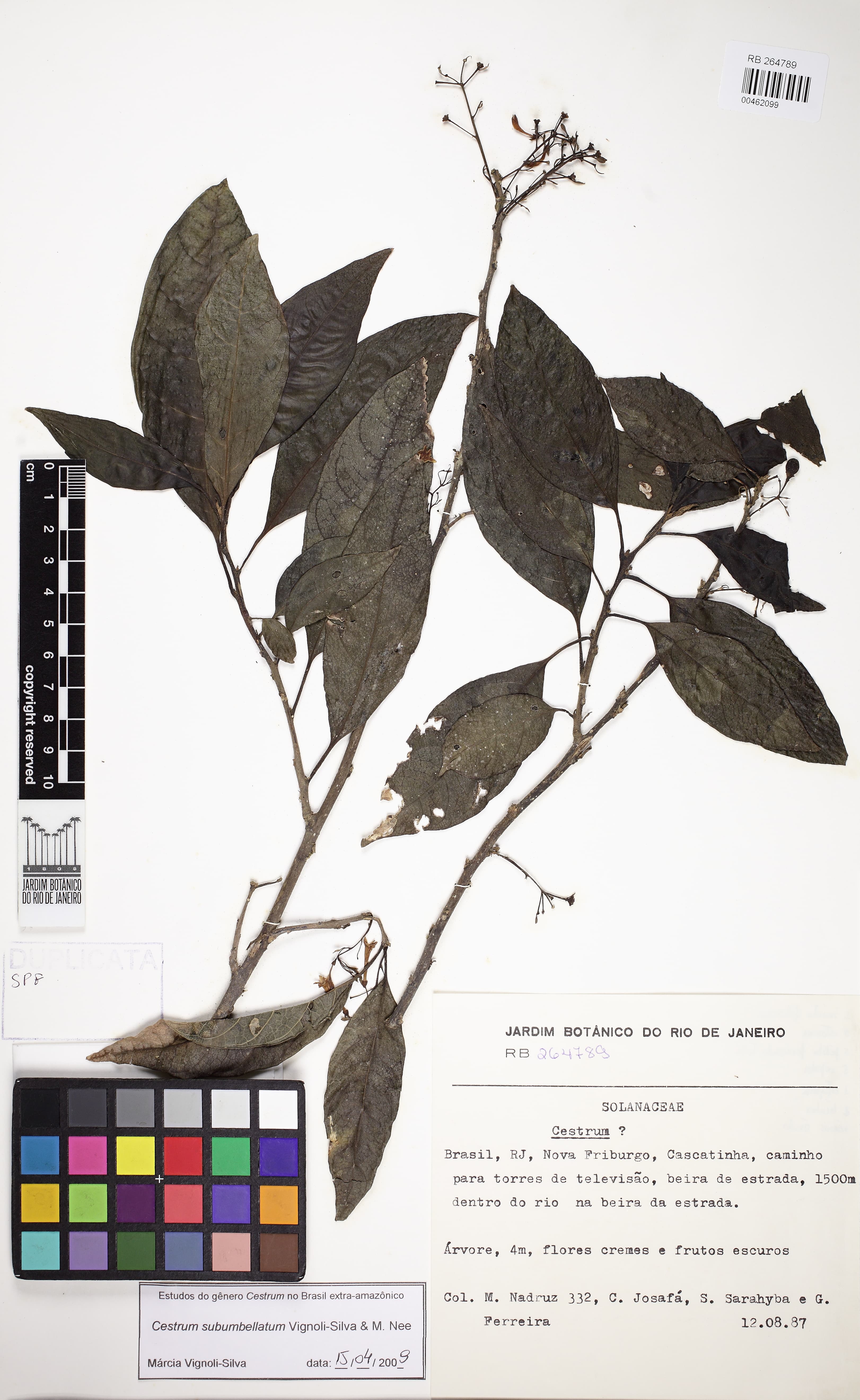
Cestrum subumbellatum
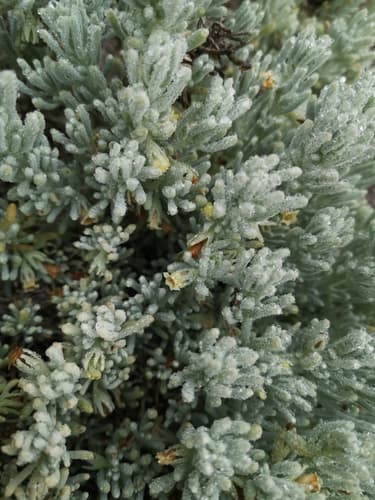
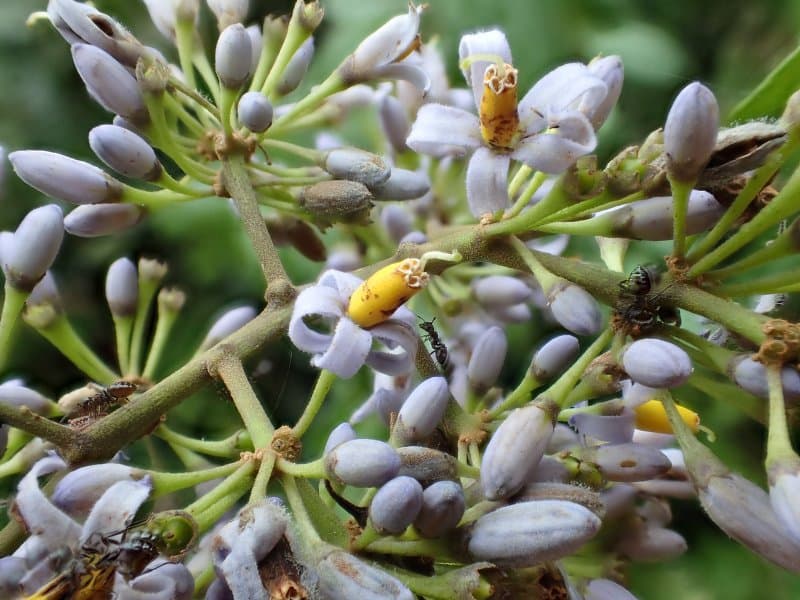
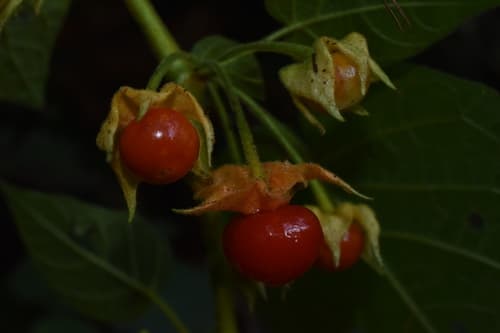
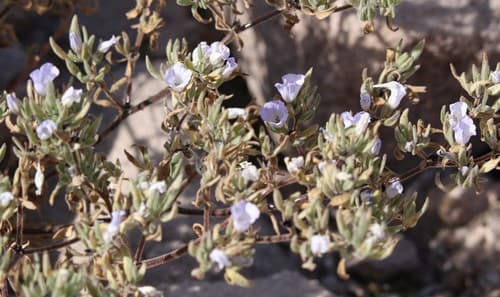
Image: M. Nadruz; C. Josafá, S. Sarahyba, G. Ferreira (cc-by)
NameCestrum subumbellatum
Scientific NameCestrum subumbellatum Vig.-Silva & M.Nee
Plant FamilySolanaceae
Natural HabitatThis species is found in Brazil, specifically in the state of Rio de Janeiro near Nova Friburgo. It typically grows along roadsides and paths, often in proximity to rivers, at elevations around 1500 meters.
Parts Used
Traditional UsesThere are no widely documented traditional medicinal uses specifically for Cestrum subumbellatum. The genus Cestrum is generally known for containing toxic compounds, and many species are considered poisonous.
Active ConstituentsSteroidal glycoalkaloids (common in the genus Cestrum, but specific constituents for C. subumbellatum may not be fully characterized)
Contraindications & WarningsAs with many species in the genus Cestrum, Cestrum subumbellatum is likely toxic if ingested. All parts of the plant should be considered potentially poisonous, and internal use is strongly contraindicated. Caution should be exercised with any external contact.
Cultivation NotesThis species is a tree growing up to 4 meters, suggesting it prefers a warm climate. Specific cultivation requirements are not widely documented, but it is known to grow along roadsides and riverbanks in its native Brazilian habitat.
Rarityuncommon
Description
Cestrum subumbellatum is a tree growing up to 4 meters tall, characterized by simple, alternate leaves. It produces cream-colored flowers and dark, presumably berry-like, fruits.