Buffalo Bur
NameBuffalo Bur
Scientific NameSolanum rostratum
Common NamesBuffalo Bur, Kansas Thistle, Texas Thistle, Spiny Nightshade
Plant FamilySolanaceae
Natural HabitatNative to central North America, this plant thrives in disturbed soils, pastures, roadsides, and cultivated fields. It is often found in arid to semi-arid regions.
Parts Usedwhole_plant
Medicinal Actionsanalgesic, anti-inflammatory, antimicrobial
Traditional UsesTraditionally, various indigenous peoples of North America used Buffalo Bur externally for skin ailments, sores, and toothaches. Due to its toxicity, internal use was rare and is generally not recommended.
Active Constituentssolasodine, steroidal glycoalkaloids
Preparation Methodspoultice, decoction
Contraindications & WarningsAll parts of Solanum rostratum are considered toxic if ingested due to the presence of steroidal glycoalkaloids like solasodine, which can cause severe gastrointestinal upset, neurological symptoms, and potentially be fatal. Internal use is strongly contraindicated. Handle with care due to sharp spines.
Cultivation NotesConsidered a common weed, Solanum rostratum readily self-seeds and grows vigorously in disturbed, sunny areas with poor to moderate soil. It is not typically cultivated for medicinal purposes due to its toxicity and invasive nature.
Raritycommon
Description
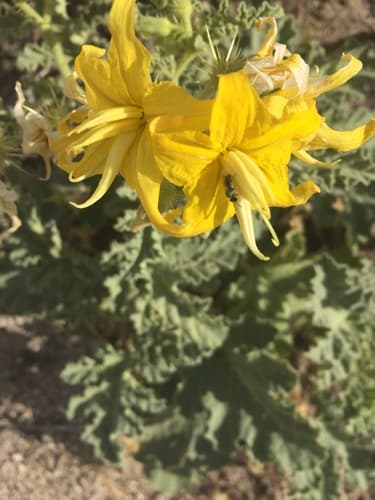
Solanum rostratum is a spiny annual herb characterized by its deeply lobed, hairy leaves and bright yellow, five-petaled flowers. It produces distinctive spiny bur fruits, giving it its common name.