berengena de paloma
Nameberengena de paloma
Scientific NameSolanum torvum
Common NamesTurkey Berry, Devil's Fig, Susumber, Pea Eggplant, Wild Eggplant, Berenjena cimarrona, Tabacón
Plant FamilySolanaceae
Natural HabitatNative to Central and South America and the Caribbean, it is now pantropical and often found in disturbed areas, roadsides, forest edges, and agricultural lands, thriving in warm, humid climates.
Parts Usedfruit,leaf,root,whole_plant
Medicinal Actionsanalgesic, anti-inflammatory, antimicrobial, antioxidant, diuretic, expectorant
Traditional UsesTraditionally used for treating colds, coughs, fever, skin infections, wounds, hypertension, and diabetes. The fruits are consumed as a vegetable and are believed to aid digestion, treat anemia, and act as a blood tonic.
Active Constituentssolasodine, solamargine, solasonine, flavonoids, saponins, tannins, phenolic compounds
Preparation Methodsinfusion, decoction, powder, poultice
Contraindications & WarningsDue to the presence of glycoalkaloids, consumption of unripe fruits or large quantities of any part may cause gastrointestinal upset or toxicity. Pregnant and breastfeeding women should avoid. May interact with certain medications, especially those affecting blood pressure or blood sugar.
Cultivation NotesGrows easily from seed in warm, tropical to subtropical climates. Prefers full sun and well-drained soil. Can be invasive in some regions.
Raritycommon
Description
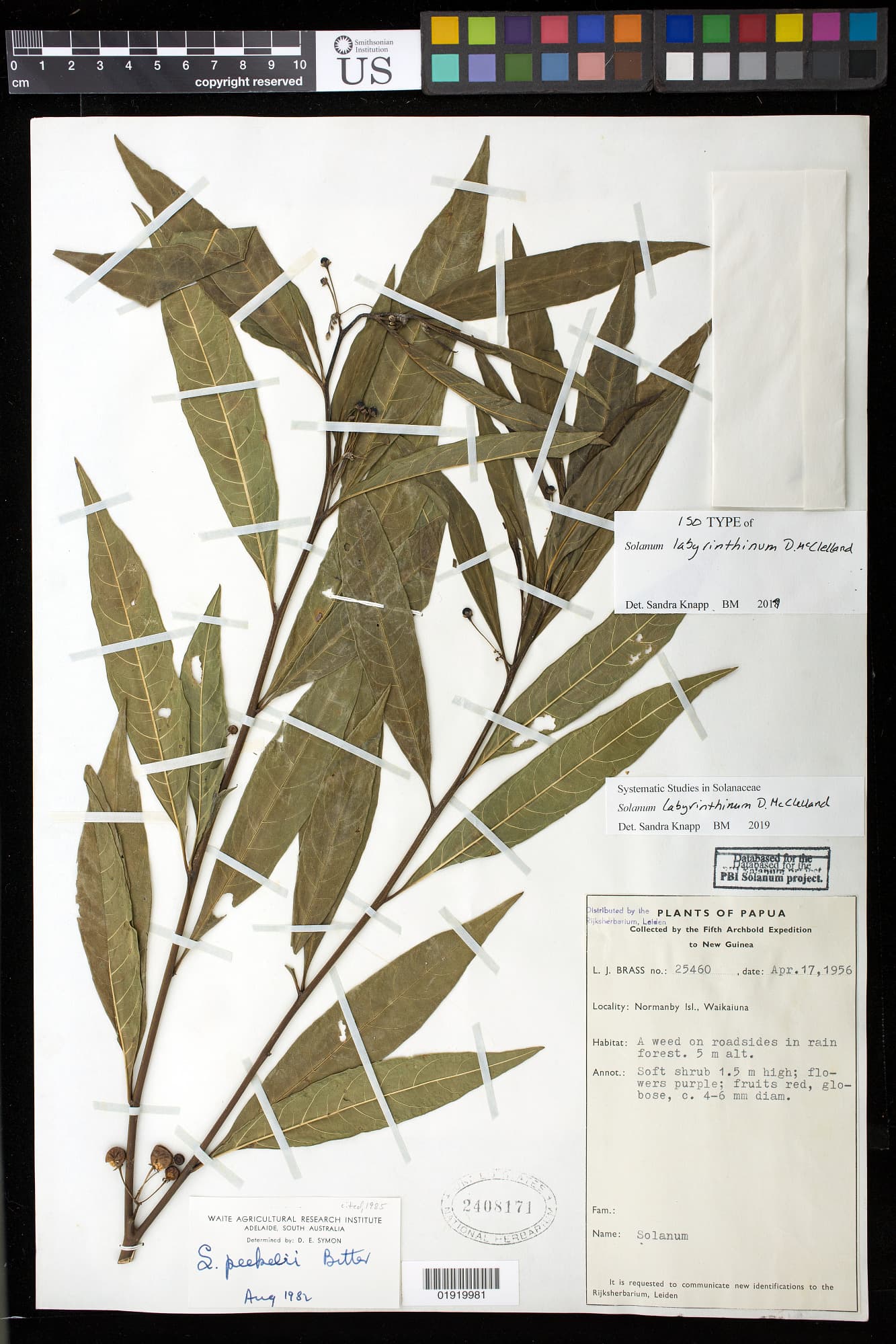
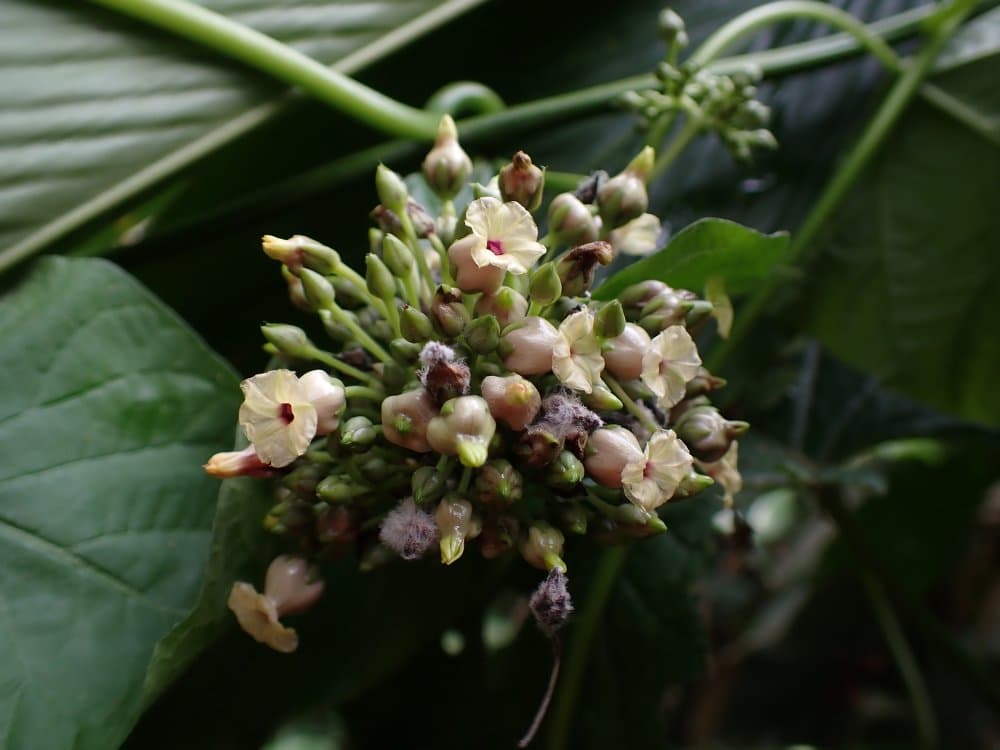
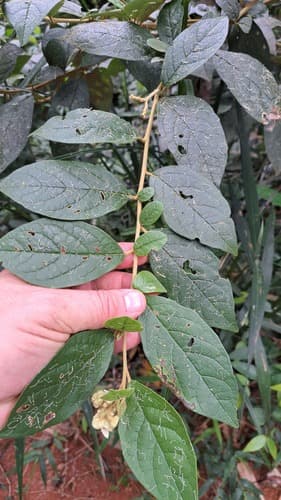
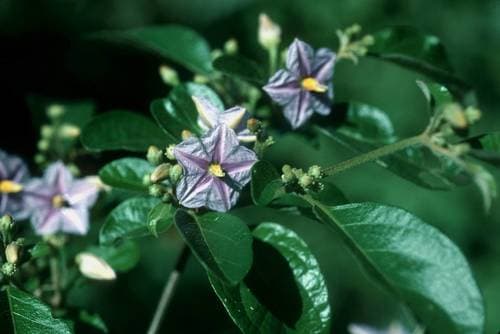
A robust, erect, spiny shrub growing 2-3 meters tall, often forming dense thickets. It features ovate to elliptic leaves, typically hairy and sometimes spiny, and produces clusters of small, star-shaped white to pale purple flowers with prominent yellow anthers, followed by green berries that ripen to yellow.