Solanum sellowii
NameSolanum sellowii
Scientific NameSolanum sellowii
Common NamesJurubeba, Jurubeba-verdadeira
Plant FamilySolanaceae
Natural HabitatNative to South America, particularly Brazil, Paraguay, and Argentina, it thrives in various environments including forest edges, disturbed areas, and secondary vegetation in tropical and subtropical regions.
Parts Usedleaf,root
Medicinal Actionsanti-inflammatory, diuretic, antimicrobial
Traditional UsesTraditionally, Solanum sellowii (often referred to as Jurubeba) has been used in folk medicine for liver and digestive disorders, including dyspepsia, hepatitis, and jaundice. It is also employed as a general tonic, for fevers, and to address anemia.
Active ConstituentsSteroidal glycoalkaloids, Flavonoids, Saponins, Phenolic compounds
Preparation Methodsinfusion, decoction, tincture
Contraindications & WarningsDue to the presence of glycoalkaloids, Solanum sellowii should be used with caution. It is contraindicated in pregnancy, lactation, and for young children. Individuals with pre-existing liver conditions should avoid its use, and it may interact with certain medications.
Cultivation NotesThis plant prefers tropical to subtropical climates with well-drained soil and can tolerate full sun to partial shade. It can be propagated from seeds or cuttings and is relatively hardy in its native range.
Raritycommon
Description
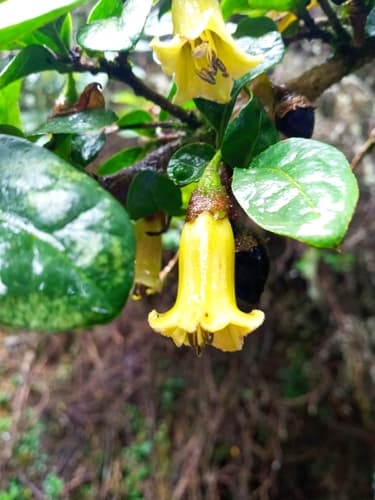
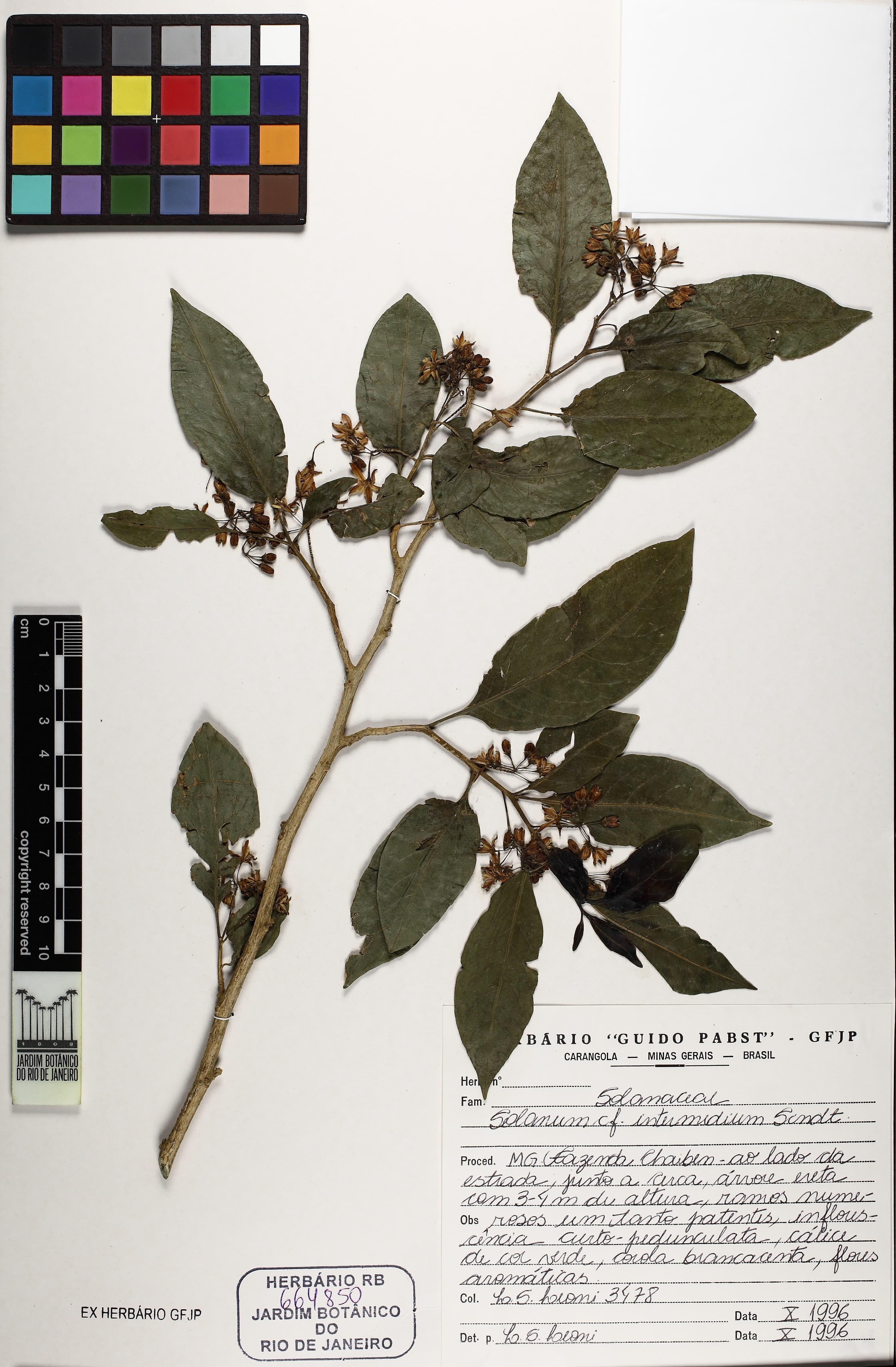
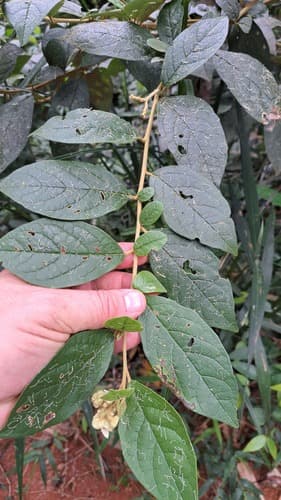
Solanum sellowii is a shrub or small tree, typically growing 1-3 meters tall, characterized by simple, alternate, ovate to elliptic leaves that are often pubescent on the underside. It produces small, whitish to pale lilac flowers arranged in axillary cymes, followed by small, globose berries.