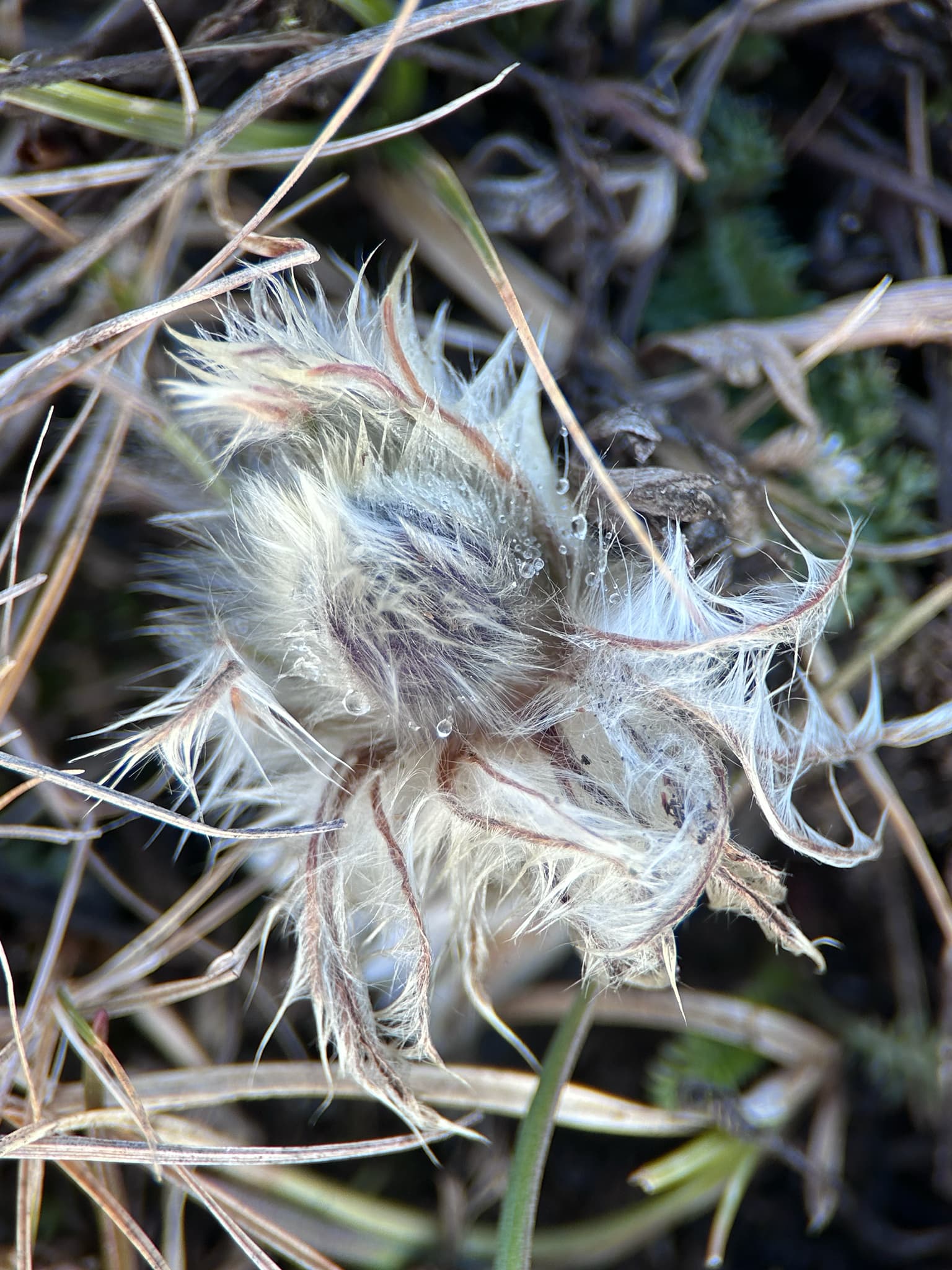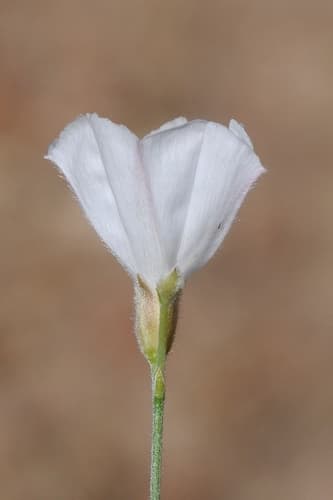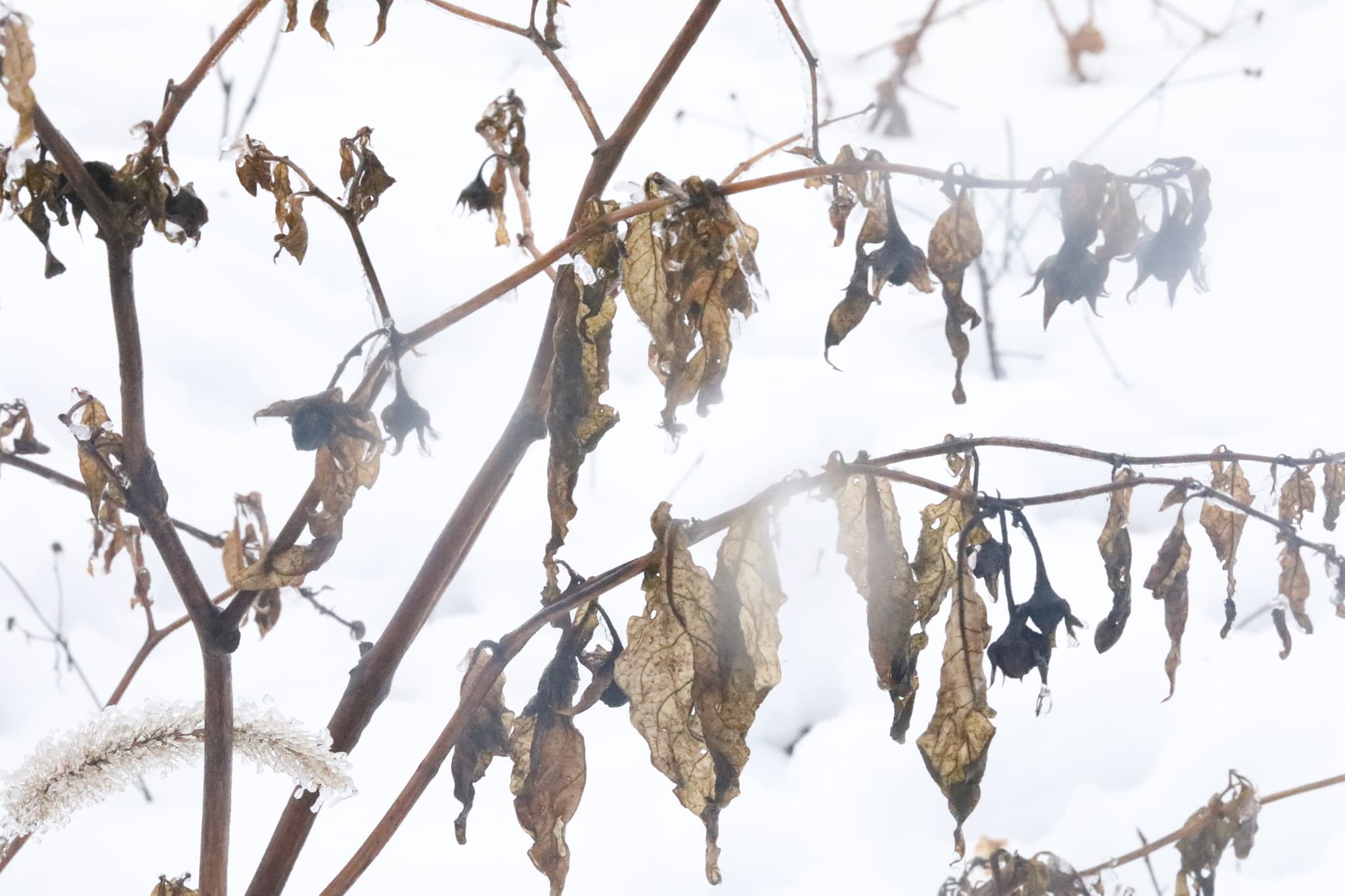
Belladonna
Image: Sepp Schmid (cc-by-nc)
NameBelladonna
Scientific NameAtropa belladonna
Common NamesBelladonna, Deadly Nightshade, Devil's Berries, Death Cherries
Plant FamilySolanaceae
Natural HabitatNative to Europe, North Africa, and Western Asia, it commonly grows in disturbed ground, woodland clearings, and along forest edges, preferring calcareous soils.
Parts Usedleaf,root,fruit
Medicinal Actionsanalgesic, nervine, sedative
Traditional UsesHistorically, Belladonna has been used with extreme caution as a powerful sedative, antispasmodic, and mydriatic (pupil dilator). Due to its high toxicity, its internal use is primarily restricted to highly diluted homeopathic preparations or under strict medical supervision for conditions such as muscle spasms, colic, and as a pre-anesthetic agent. It also has a history of use in folklore and as a poison.
Active Constituentsatropine, scopolamine, hyoscyamine
Preparation Methodstincture, powder
Contraindications & WarningsEXTREMELY TOXIC. All parts of the plant are poisonous and can be fatal if ingested. Contraindicated in glaucoma, prostatic hypertrophy, heart conditions, pregnancy, breastfeeding, and in children. It can interact dangerously with other anticholinergic drugs, antidepressants, and antihistamines. Use only under strict medical supervision and never self-medicate.
Cultivation NotesBelladonna prefers partial shade to full sun and well-drained, fertile, calcareous soil. It can be propagated by seed or root division. Due to its extreme toxicity, it requires careful handling and should not be grown in areas accessible to children or pets.
Rarityuncommon
Description
Atropa belladonna is a highly toxic perennial herbaceous plant, typically growing up to 1.5 meters tall, characterized by ovate leaves, bell-shaped purple flowers, and shiny black berries. All parts of the plant are poisonous due to the presence of tropane alkaloids.